

Operation Process and Working Principle of Fertilizer Pneumatic Conveying
Efficient and reliable fertilizer handling is crucial for modern agricultural operations, and pneumatic conveying systems have emerged as a key technology in this field. The operation process and working principle of fertilizer pneumatic conveying involve several critical components and steps that ensure safe, efficient, and cost-effective material transport. This article provides a detailed overview of how these systems function, highlighting the technical aspects and practical applications.
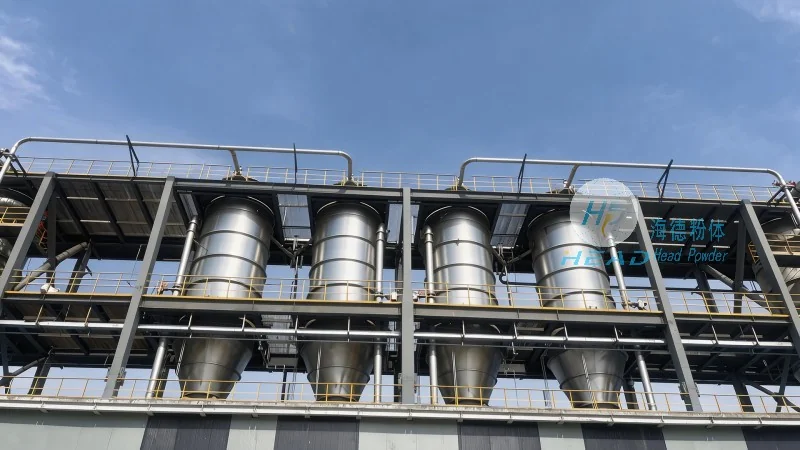
Introduction to Fertilizer Pneumatic Conveying Systems
Fertilizer pneumatic conveying systems are designed to transport bulk materials like granular or powdered fertilizers from one location to another using air as the conveying medium. Unlike traditional mechanical systems that rely on belts or screws, pneumatic conveyors offer advantages such as reduced maintenance, lower energy consumption, and the ability to handle materials with varying properties. The core components of a typical pneumatic conveying system include a hopper, a conveyor line, a fan or blower, and a discharge point. These components work in harmony to ensure smooth material flow and minimal product degradation.
Working Principle of Fertilizer Pneumatic Conveying
The fundamental principle behind pneumatic conveying is the use of air pressure to move material particles. The process typically starts with the material being fed into a hopper. From there, the material is drawn into the conveyor line by a fan or blower, which creates a negative pressure (suction) or positive pressure (blow) within the system. The air and material mixture travels through the pipeline to the discharge point, where the material is separated from the air and collected. The air is then filtered and recycled back into the system to maintain efficiency.
Key Components and Their Roles
Several key components are integral to the proper operation of a fertilizer pneumatic conveying system. The hopper serves as the storage and feeding unit, ensuring a consistent flow of material into the system. The conveyor line, often made of stainless steel or other corrosion-resistant materials, is designed to withstand the abrasive nature of fertilizers and maintain hygiene standards. The fan or blower is the power source, providing the necessary air pressure to move the material. It can be either a centrifugal fan for suction or a positive displacement blower for blow systems. The discharge point, which may include a cyclone separator or a rotary valve, separates the material from the air and directs it to the intended destination. Additionally, filters and dust collection systems are essential to maintain air quality and comply with environmental regulations.
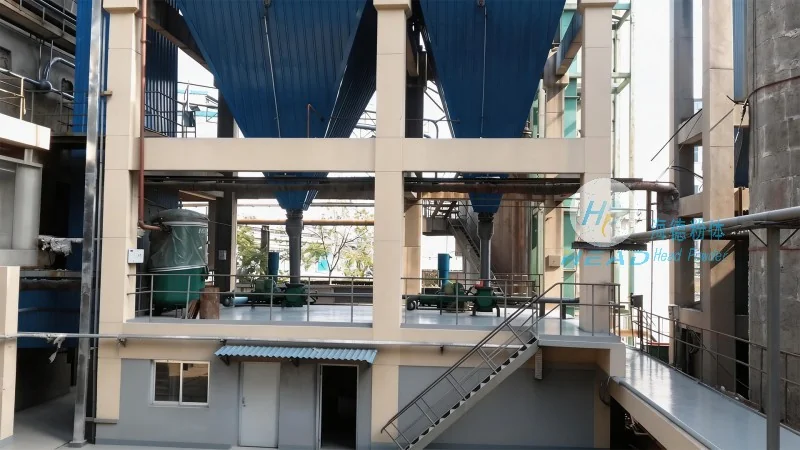
Operation Process: Step-by-Step Guide
The operation process of a fertilizer pneumatic conveying system involves several sequential steps that ensure optimal performance. First, the material is loaded into the hopper. The hopper is equipped with a feeder, such as a rotary valve or a screw feeder, which controls the flow rate of the material into the conveyor line. Next, the fan or blower is activated, creating the necessary pressure differential. The material is then drawn into the pipeline and transported to the discharge point. At the discharge point, the material is separated from the air using a cyclone separator or a filter. The separated material is collected in a storage bin or directly to the application point. The air, now filtered, is recycled back into the system, completing the cycle. This continuous process allows for efficient and uninterrupted material transport, minimizing downtime and maximizing productivity.
Advantages of Fertilizer Pneumatic Conveying
Fertilizer pneumatic conveying systems offer numerous advantages over traditional mechanical systems. One of the primary benefits is the reduction in maintenance costs, as there are fewer moving parts and less wear and tear on components. Additionally, these systems are more energy-efficient, as they use less power to transport materials over long distances. The ability to handle a wide range of material types, including fine powders and granules, makes them versatile for various fertilizer applications. Furthermore, pneumatic conveyors can be easily integrated into existing agricultural facilities, allowing for seamless expansion or modification of material handling processes. The hygienic design of these systems also ensures that the material remains clean and free from contamination, which is critical for maintaining product quality and meeting regulatory standards.
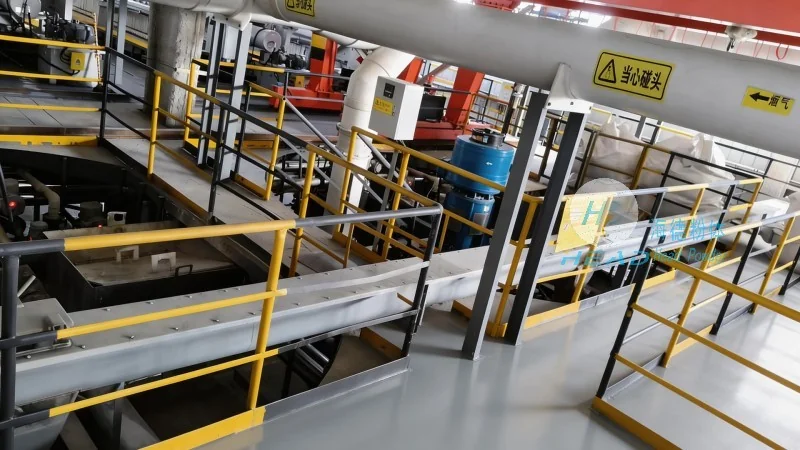
Applications in Agricultural and Industrial Settings
Fertilizer pneumatic conveying systems are widely used in both agricultural and industrial settings. In agricultural operations, these systems are employed to transport fertilizers from storage silos to application equipment, such as spreaders or injectors. This allows for precise and efficient distribution of nutrients to crops, improving overall yield and sustainability. In industrial settings, such as fertilizer manufacturing plants, pneumatic conveyors are used to transport raw materials, intermediate products, and finished goods between processing units. The flexibility and scalability of these systems make them suitable for various production volumes and operational requirements.
Considerations for System Design and Installation
When designing and installing a fertilizer pneumatic conveying system, several factors must be considered to ensure optimal performance and longevity. The first consideration is the material properties, including particle size, density, and moisture content. These factors influence the choice of conveyor type (suction or blow) and the necessary air pressure. The system layout, including the length and diameter of the pipeline, also plays a critical role in determining the efficiency of material transport. Additionally, the location of the hopper and discharge point must be carefully planned to minimize material handling and ensure smooth flow. Environmental regulations and safety standards must also be taken into account, particularly regarding dust control and air filtration. Proper maintenance and regular inspections are essential to prevent system failures and ensure consistent performance.
Conclusion: The Role of Pneumatic Conveying in Modern Fertilizer Handling
Fertilizer pneumatic conveying systems represent a significant advancement in material handling technology, offering efficient, reliable, and cost-effective solutions for agricultural and industrial applications. By understanding the operation process and working principle of these systems, stakeholders can make informed decisions about implementing or upgrading their material handling infrastructure. The key to successful implementation lies in careful system design, proper installation, and regular maintenance. As the demand for efficient fertilizer handling continues to grow, pneumatic conveying systems will remain a vital component in meeting the needs of modern agriculture and industry. Shandong HeadPowder Engineering Co., Ltd., a leading provider of such systems, specializes in designing and manufacturing customized solutions tailored to the specific requirements of clients, ensuring optimal performance and long-term reliability.