Understanding the operation process and working principle of soybean pneumatic conveying is crucial for optimizing material handling in agricultural and food processing industries. This article provides a detailed overview of the key components, operational steps, and technical aspects involved in the pneumatic conveying system designed for soybeans, presented by Shandong HeadPowder Engineering Co., Ltd., a leading provider in the field.
Introduction to Soybean Pneumatic Conveying Systems
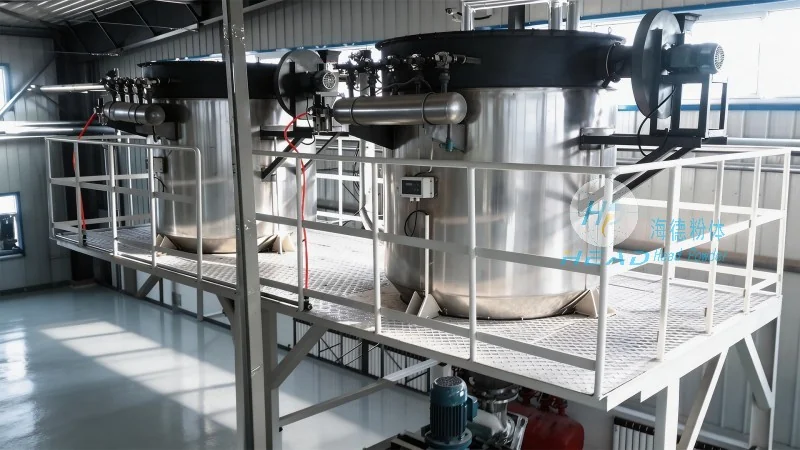
Soybean pneumatic conveying systems are engineered to efficiently transport soybeans from storage silos, processing units, or packaging areas through a network of pipes using air pressure or vacuum. These systems are widely adopted in the agricultural sector due to their ability to handle bulk materials with minimal human intervention, ensuring consistent flow rates and reducing the risk of contamination. The design of such systems typically incorporates specialized equipment like rotary valves, airlocks, and dust collectors to maintain product quality and operational safety.
Key Components of a Soybean Pneumatic Conveying System
The effectiveness of a soybean pneumatic conveying system relies on several critical components that work in tandem to facilitate smooth material transport. The primary components include the hopper or feed hopper, which holds the soybeans and regulates the flow into the system; the conveyor pipeline, which is usually made of stainless steel or other corrosion-resistant materials to withstand the abrasive nature of soybeans; and the air mover, such as a positive displacement blower or a vacuum pump, which generates the necessary air pressure or vacuum to move the material. Additionally, the system may feature control valves, which adjust the air flow rate to maintain optimal conveying velocity, and filters or cyclones to separate air from the conveyed material, preventing dust accumulation and ensuring clean operation.
Operation Process of Soybean Pneumatic Conveying
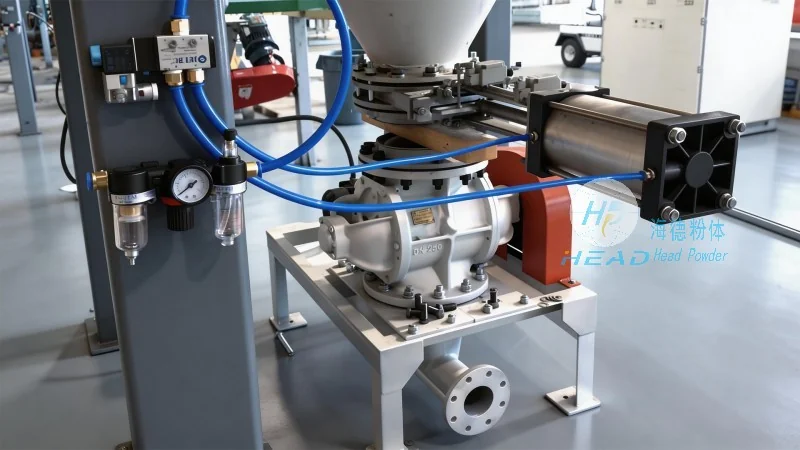
The operation process of a soybean pneumatic conveying system involves several sequential steps that ensure efficient and safe material handling. Initially, soybeans are loaded into the feed hopper, where a rotary valve or feeder controls the discharge rate. The air mover then generates the required pressure or vacuum, which draws the soybeans into the pipeline through the inlet. As the material travels through the pipeline, it is suspended by the air stream and transported to the destination point, such as a processing plant or a storage silo. At the receiving end, an airlock or rotary valve separates the material from the air, allowing the soybeans to be discharged into the target container. The system also includes a dust collection system that captures any airborne particles, ensuring compliance with environmental regulations and maintaining a clean working environment.
Working Principle of Pneumatic Conveying for Soybeans
The working principle of pneumatic conveying for soybeans is based on the fundamental concept of transporting bulk solids in a fluidized state using air. When air is introduced into the pipeline at a sufficient velocity, it creates a fluidized bed within the soybeans, allowing them to be carried along with the air stream. The velocity of the air must be maintained above the minimum conveying velocity, which is determined by the material's properties, such as particle size, density, and moisture content. If the air velocity is too low, the soybeans may settle and cause blockages, while excessive velocity can lead to excessive wear on the pipeline and equipment. The system's control mechanisms, including variable speed drives and pressure sensors, continuously monitor and adjust the air flow to maintain the optimal conveying conditions, ensuring consistent performance and preventing operational issues.
Benefits and Applications of Soybean Pneumatic Conveying
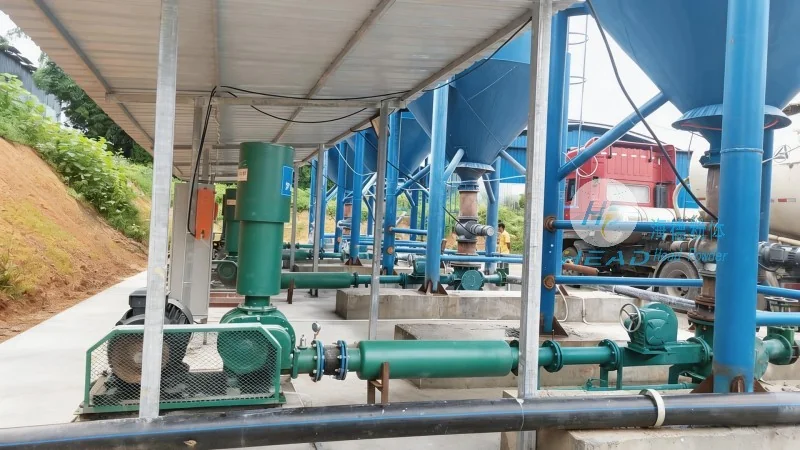
Soybean pneumatic conveying systems offer numerous benefits that make them an ideal choice for various industrial applications. These include high efficiency in material transport, as the system can handle large volumes of soybeans with minimal energy consumption compared to traditional mechanical conveyors. The enclosed pipeline design also reduces the risk of contamination from external sources, maintaining the quality and purity of the soybeans. Additionally, the system is flexible and can be easily integrated into existing processing lines, allowing for seamless material flow between different stages of production. Applications of soybean pneumatic conveying include transporting soybeans from storage to processing facilities, moving them between grinding and extrusion units, and delivering finished products to packaging areas. The system's adaptability makes it suitable for both small-scale and large-scale operations in the agricultural and food processing industries.
Maintenance and Operational Considerations
Proper maintenance and operational considerations are essential to ensure the longevity and efficiency of a soybean pneumatic conveying system. Regular inspection of components such as the air mover, pipeline, and valves is necessary to detect and address any potential issues before they escalate into major problems. Cleaning the system, particularly the filters and cyclones, is crucial to prevent clogging and maintain optimal air flow. Additionally, monitoring the system's performance parameters, such as pressure, flow rate, and temperature, helps identify any deviations from normal operation and allows for timely adjustments. Proper training of operators on the system's operation and safety protocols is also vital to prevent accidents and ensure smooth operation. By adhering to these maintenance and operational guidelines, the system can operate reliably for extended periods, minimizing downtime and maximizing productivity.




