What is Fly Ash Material Pneumatic Conveying? What Are the Design Principles?
Release time:2026-09-16 09:01:17
name of the company:Shandong Headpowder Engineering Co., Ltd.
telephone:156-6277-7102
contacts:Zhang manager
For industrial facilities dealing with fly ash, the efficient and reliable transportation of this material is crucial. Pneumatic conveying systems offer a solution that minimizes the need for mechanical components and reduces operational costs. This article explores the fundamentals of fly ash material pneumatic conveying and the key design principles that ensure optimal performance.
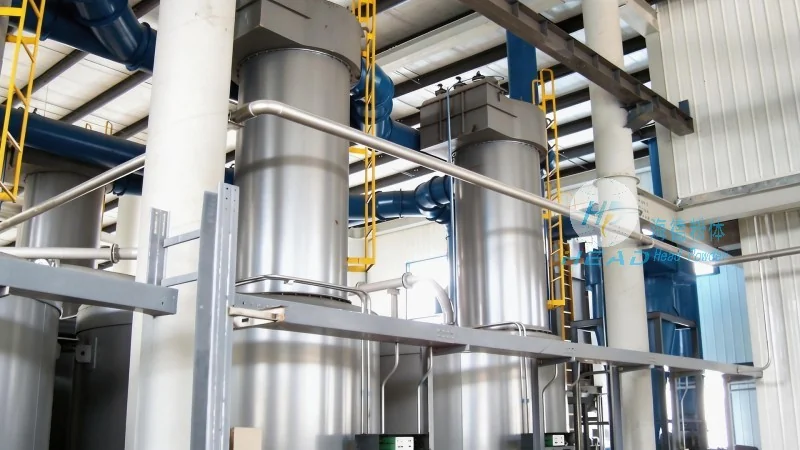
About Shandong HeadPowder Engineering Co., Ltd.
HeadPowder, a leading provider in the field, specializes in designing and manufacturing advanced pneumatic conveying solutions. With a strong focus on innovation and customer satisfaction, the company has established itself as a trusted partner for industries requiring high-efficiency material handling systems. HeadPowder’s expertise lies in creating customized solutions tailored to the unique needs of each client, ensuring that every project meets the highest standards of performance and durability.
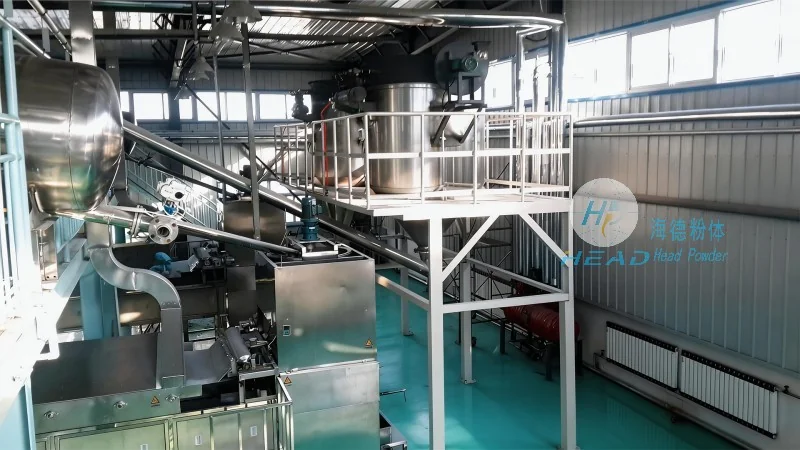
What is Pneumatic Conveying for Fly Ash?
Pneumatic conveying is a method of transporting bulk materials through a pipeline using air or other gas as the conveying medium. In the case of fly ash, which is a fine, powdery byproduct of coal combustion, this technology is particularly effective. The process involves introducing the fly ash into a pipeline where it is carried by a stream of air. The air flow can be either positive pressure (where air is forced into the system) or negative pressure (where air is drawn out of the system). The choice between these two methods depends on the specific application and the characteristics of the fly ash material.
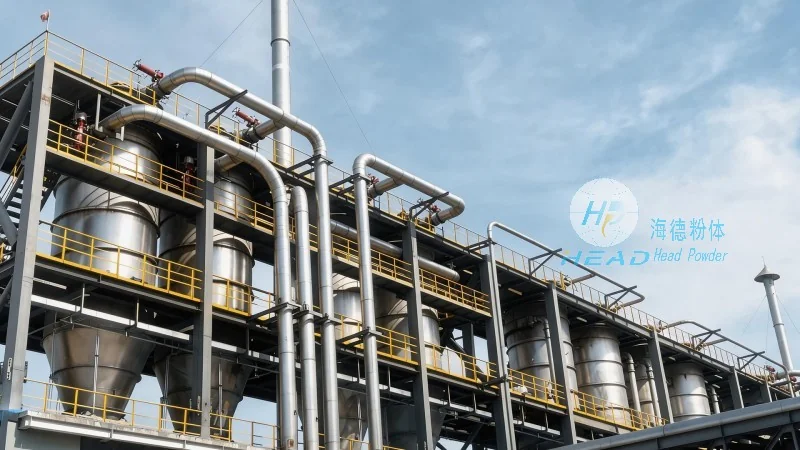
Key Design Principles for Fly Ash Pneumatic Conveying Systems
The design of a successful fly ash pneumatic conveying system involves several critical principles that must be carefully considered. These include:
- Material Characteristics Analysis: Understanding the physical properties of fly ash, such as particle size, density, and moisture content, is essential. These factors determine the appropriate air velocity and pressure required for effective transportation. For example, finer particles may require higher air velocities to prevent clogging or deposition in the pipeline.
- System Sizing and Layout: The layout of the conveying system, including the length and diameter of the pipeline, the number of bends, and the placement of equipment like cyclones or filters, directly impacts performance. Proper sizing ensures that the system operates within the optimal range, avoiding excessive energy consumption or material degradation.
- Pressure and Flow Control: Maintaining consistent pressure and flow rates is crucial for preventing blockages and ensuring uniform material transport. This involves using appropriate pumps or blowers and installing control valves to regulate the air flow. HeadPowder’s systems are equipped with advanced control mechanisms that allow for real-time monitoring and adjustment, enhancing system reliability.
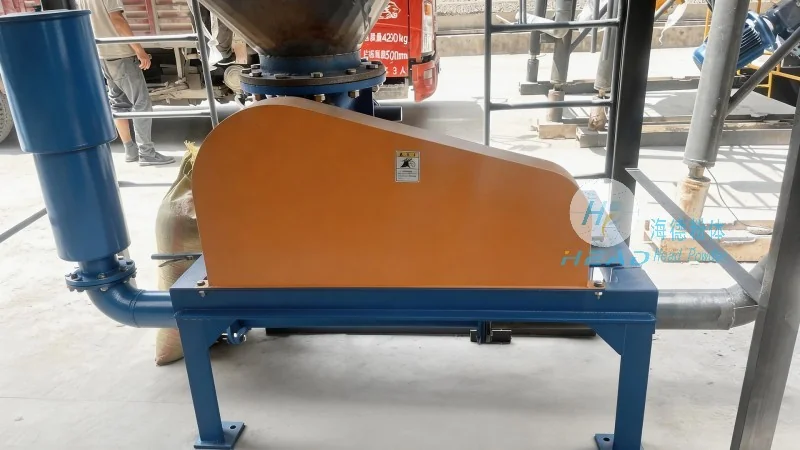
- Equipment Selection: The choice of components, such as the type of blower, the design of the hopper, and the material of the pipeline, plays a significant role in system efficiency. High-quality materials and well-engineered components minimize wear and tear, reducing maintenance costs and extending the system’s lifespan.
The Benefits of Using Pneumatic Conveying for Fly Ash
Implementing a pneumatic conveying system for fly ash offers numerous advantages over traditional methods like belt conveyors or trucks. These benefits include:
- Reduced Labor and Maintenance Costs: Pneumatic systems eliminate the need for manual handling and reduce the risk of material spillage, which can lead to significant savings in labor and cleanup expenses.
- Improved Safety: By eliminating the need for personnel to handle or transport fly ash manually, the risk of exposure to dust and other hazards is minimized, creating a safer working environment.
- Enhanced Process Efficiency: The ability to transport fly ash directly from the source to the storage or processing facility reduces downtime and improves overall production efficiency.
- Environmental Compliance: Properly designed pneumatic systems can help meet environmental regulations by containing dust and preventing emissions, contributing to a cleaner and more sustainable operation.
Conclusion
For industries seeking an efficient and reliable solution for fly ash material handling, pneumatic conveying systems are an excellent choice. The design principles outlined above, combined with the expertise of companies like Shandong HeadPowder Engineering Co., Ltd., ensure that these systems perform optimally and meet the specific needs of each application. By investing in a well-designed pneumatic conveying system, facilities can improve their operational efficiency, reduce costs, and enhance safety while adhering to environmental regulations.




