

What is a Lithium Battery Material Powder Conveying Line? What Are Its Design Principles?
A lithium battery material powder conveying line is a specialized system designed to handle and transport fine powders used in lithium battery production. These systems are crucial for ensuring the efficient and reliable movement of materials such as cathode and anode powders, which directly impact the quality and performance of the final battery products. The design of these conveying lines must address the unique challenges of fine powders, including dust control, material segregation, and precise flow management.
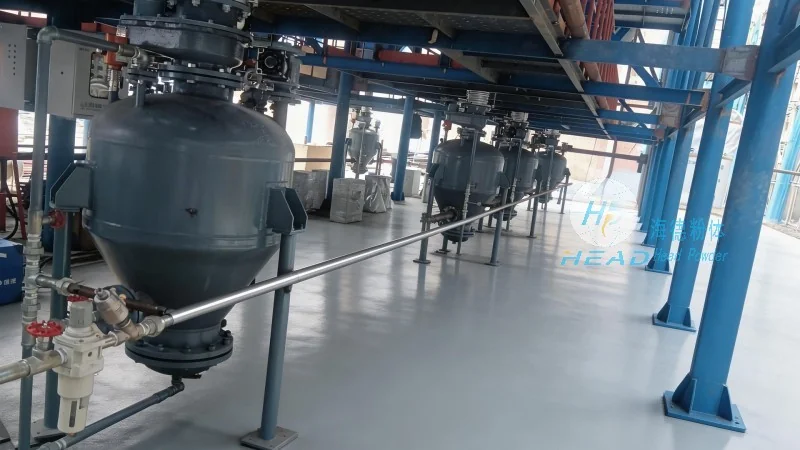
Introduction to Lithium Battery Material Powder Conveying Lines
A lithium battery material powder conveying line, also known as a powder handling system, integrates components like feeders, conveyors, and control units to move powders from storage to processing stages within a lithium battery manufacturing facility. The system is engineered to handle the specific properties of battery materials, such as particle size, moisture content, and flowability, ensuring consistent and uniform material transport. Such equipment is typically provided by companies like Shandong HeadPowder Engineering Co., Ltd., commonly referred to as headpowder, which specializes in customizing powder handling solutions for the battery industry.
Key Components and Their Functions
The feeder is the first critical component, responsible for transferring powder from a storage hopper into the conveying system. Common feeder types include screw feeders, vibratory feeders, and rotary valves, each suited for different powder characteristics. The feeder must maintain a consistent flow rate to prevent overloading or underfeeding, which can lead to uneven particle distribution in the final product. For lithium battery materials, which often have fine particle sizes, feeders are designed to minimize material loss and ensure precise control.
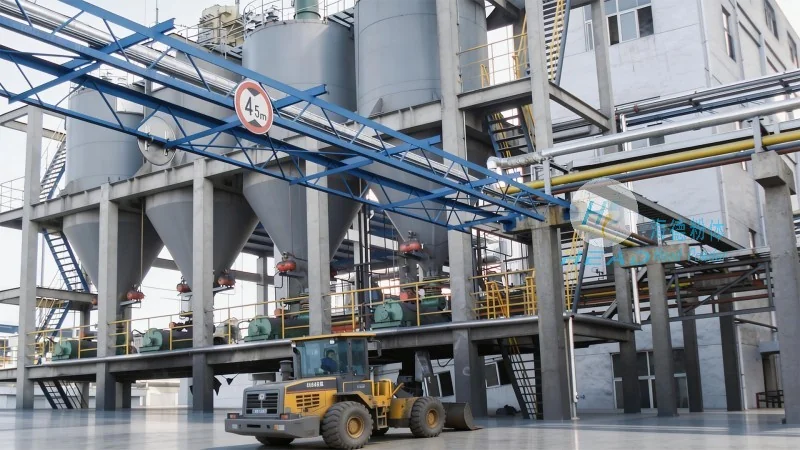
The conveyor system is the core of the powder handling process, transporting the powder from the feeder to the next stage, such as mixing or coating. Pneumatic conveying systems are widely used due to their ability to handle fine powders without mechanical contact, reducing contamination and degradation risks. Mechanical conveyors like belt or bucket elevators are also employed for bulkier or more abrasive powders. The choice of conveyor depends on the material's properties and the required flow rate.
Control systems are essential for monitoring and adjusting the conveying line's operation. Sensors measure flow rates, pressure, and temperature, while control panels allow operators to adjust parameters in real-time. These systems ensure the line operates within safe and efficient parameters, preventing issues like overpressure or material clogging. The control system also provides data for process optimization and maintenance planning.
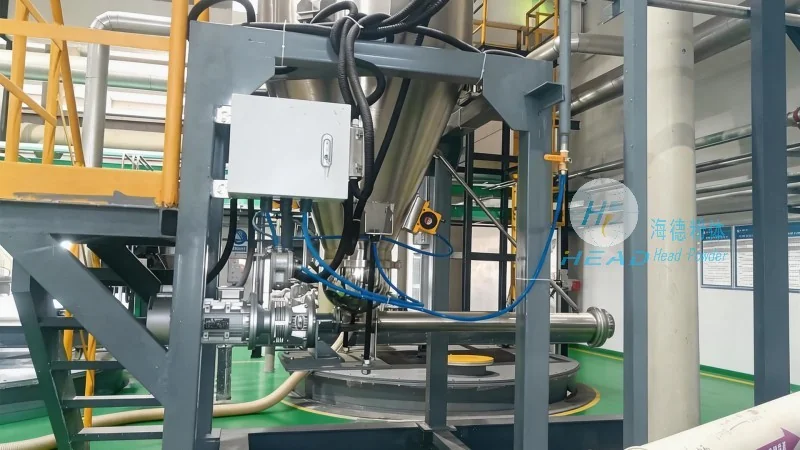
Design Principles for Efficient Operation
The design of a lithium battery material powder conveying line focuses on efficiency, reliability, and safety. One key principle is minimizing material loss and contamination. This is achieved through sealed systems, proper component sealing, and the use of cleanroom-compatible materials. The design prevents dust leakage, maintaining powder purity and improving workplace safety. For lithium battery materials, which are sensitive to contamination, this is critical for battery performance.
Material properties are a major consideration in design. Different materials have varying flowabilities and moisture contents. The conveying line must be tailored to handle these characteristics. For example, powders with high moisture may require drying steps or specialized feeders to prevent clogging. Poorly flowing powders may need pre-treatment, such as blending or conditioning, to improve handling. The design ensures consistent material transport regardless of these variations.
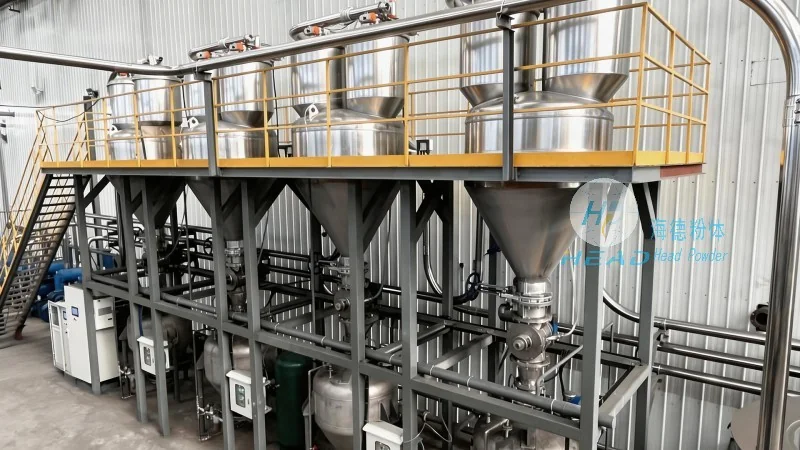
Energy efficiency is another important design factor. The system is optimized to minimize energy consumption while maintaining required flow rates. This includes using efficient motors, optimizing conveyor speeds, and implementing energy-saving controls. The design also considers the system's footprint, ensuring it fits within the manufacturing facility without compromising functionality.
Applications in Lithium Battery Manufacturing
Lithium battery material powder conveying lines are used in multiple stages of battery production. In the cathode material processing, they transport materials like lithium cobalt oxide (LCO), NMC, or LFP to mixing and coating equipment. Consistent material supply ensures uniform cathode composition, affecting battery energy density and cycle life. In anode material processing, the system handles graphite or silicon-based powders, ensuring uniform anode coating for optimal charge/discharge performance. The conveying line also supports electrolyte and auxiliary material production, maintaining high-quality standards across all battery components.