

What is a Coal Ash Granular Material Pneumatic Conveying Equipment? And What Are Its Design Principl
Coal ash granular material pneumatic conveying equipment is a specialized system engineered to transport coal ash, a byproduct of coal combustion, from one location to another using air as the primary conveying medium. This technology is pivotal in industrial operations where efficient and reliable bulk material handling is essential. The equipment operates by generating a pressure differential that propels coal ash particles through a pipeline network, ensuring minimal dust generation and maintaining operational safety. As a key component in waste management and material handling, this system offers substantial advantages over traditional methods such as belt conveyors or bucket elevators, particularly in terms of flexibility and reduced environmental impact.
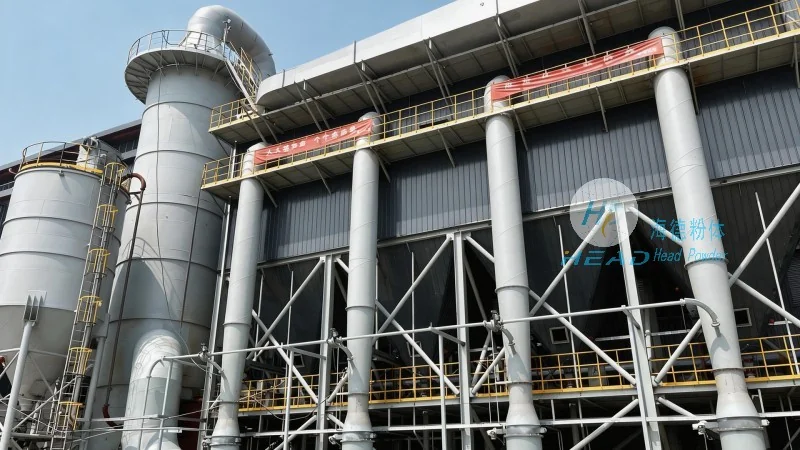
Key Components of the Pneumatic Conveying System
The coal ash granular material pneumatic conveying equipment typically comprises several critical components that function in unison to achieve effective material transport. These include the material feed hopper, which holds and feeds coal ash into the system; the air compressor or blower, which generates the necessary air pressure to move particles; the conveying pipeline, which forms the main transport path; and the discharge hopper or receiver, where material is deposited at the destination. Additional accessories may include cyclone separators for dust removal, filters to maintain air quality, and control valves to regulate air and material flow. Each component is engineered to handle coal ash's specific characteristics—such as particle size, density, and moisture content—ensuring optimal performance and longevity.
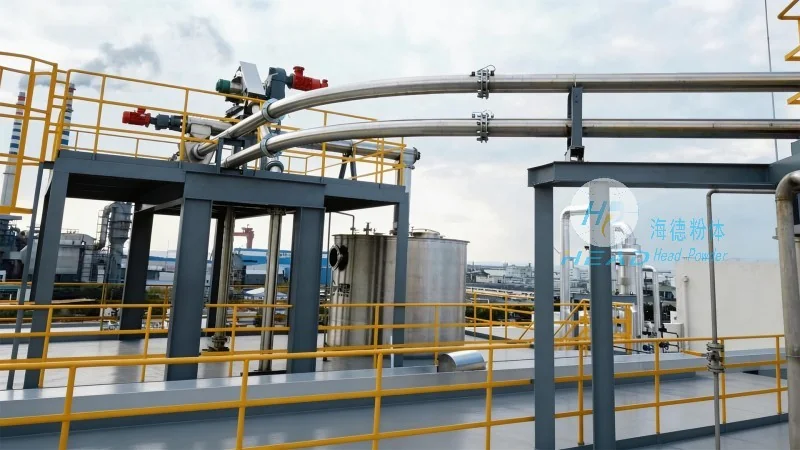
Design Principles Behind the Equipment
The design principles of coal ash granular material pneumatic conveying equipment revolve around achieving efficient material transport while minimizing energy consumption and operational costs. A primary design consideration is selecting the appropriate air velocity and pressure. The air velocity must be high enough to overcome gravitational forces on particles and prevent pipeline blockages, typically maintained at a level that keeps particles suspended (suspension velocity). The pressure level is determined by factors like distance/elevation changes, pipeline diameter, and length. Engineers use computational fluid dynamics (CFD) and empirical formulas to calculate required air velocity and pressure, ensuring safe and energy-efficient operation.
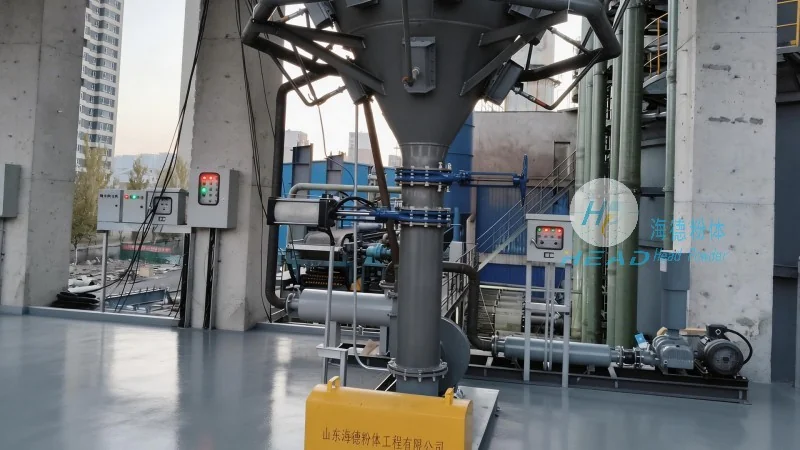
Advantages of Using Pneumatic Conveying for Coal Ash
Implementing a coal ash granular material pneumatic conveying system offers several advantages over conventional methods. Firstly, it provides dust-free operation, critical for workplace safety and environmental compliance. Unlike belt conveyors, which generate significant dust, pneumatic systems contain material within a sealed pipeline, reducing airborne particle exposure. Secondly, the system offers high layout flexibility, with pipelines capable of vertical, horizontal, or inclined configurations to accommodate complex material flow patterns without multiple equipment pieces. Thirdly, it can handle diverse particle sizes and densities, making it suitable for varying coal ash compositions. This adaptability is valuable in industrial settings where coal ash characteristics may change over time. Additionally, the system can integrate with other processes (e.g., storage, processing) to create a comprehensive material handling solution.
Application Scenarios and Operational Considerations
The coal ash granular material pneumatic conveying equipment is widely used in industrial applications such as power plants, cement factories, and waste management facilities. In power plants, it transports coal ash from boilers to storage silos or disposal sites, leveraging its ability to handle large volumes efficiently for continuous operation. In cement factories, the equipment conveys coal ash as a raw material for cement production, enhancing manufacturing efficiency. Operational considerations include regular maintenance of the air compressor and pipeline to prevent wear, and monitoring air quality and material flow for optimal performance. Proper maintenance and protocols are essential to extend equipment lifespan and minimize downtime.
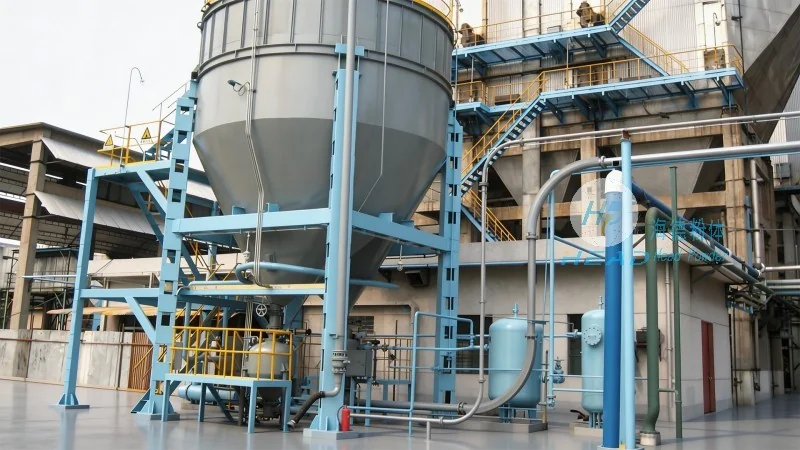
Conclusion and Company Information
Coal ash granular material pneumatic conveying equipment is a sophisticated and efficient solution for bulk material transport in industrial settings. By leveraging pneumatic transport principles, it offers significant advantages in safety, flexibility, and environmental impact compared to traditional methods. As a leading provider in this field, Shandong HeadPowder Engineering Co., Ltd., based in China, specializes in designing and manufacturing high-quality pneumatic conveying systems tailored to coal ash handling needs. With a focus on innovation and customer satisfaction, the company ensures its equipment meets top performance and reliability standards, supporting sustainable coal ash management and enhancing industrial operational efficiency.