

What is an Iron Sand Powder Conveying Line? And What Are Its Design Principles?
Iron sand, a fine powder derived from iron ore processing, is a critical material in various industrial applications. The efficient and reliable transportation of iron sand powder is essential for maintaining production efficiency and ensuring product quality. This article delves into the concept of an iron sand powder conveying line and its underlying design principles, providing a comprehensive overview of the technology used in handling this specific material.
Understanding the Iron Sand Powder Conveying Line
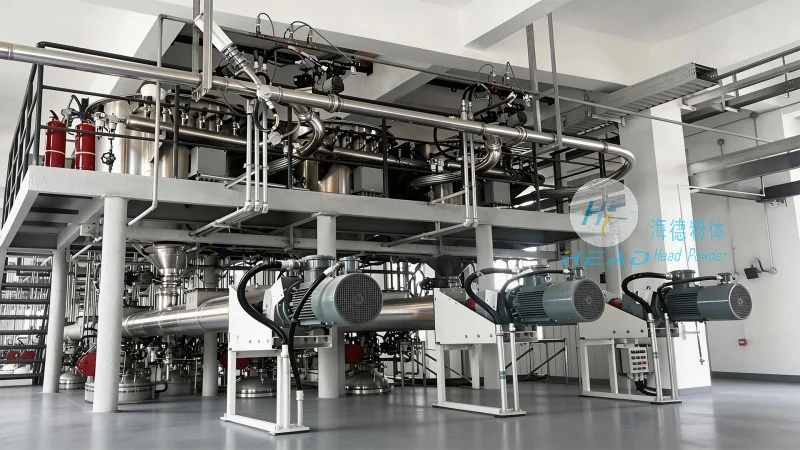
An iron sand powder conveying line is a specialized system engineered to transport iron sand powder from one location to another within an industrial facility. These systems are designed to handle the unique properties of iron sand, such as its fine particle size, abrasive nature, and potential for static charge accumulation. The primary goal of such a line is to ensure a continuous, low-loss, and safe flow of iron sand powder, minimizing material degradation and operational disruptions.
Key Components of an Iron Sand Powder Conveying Line
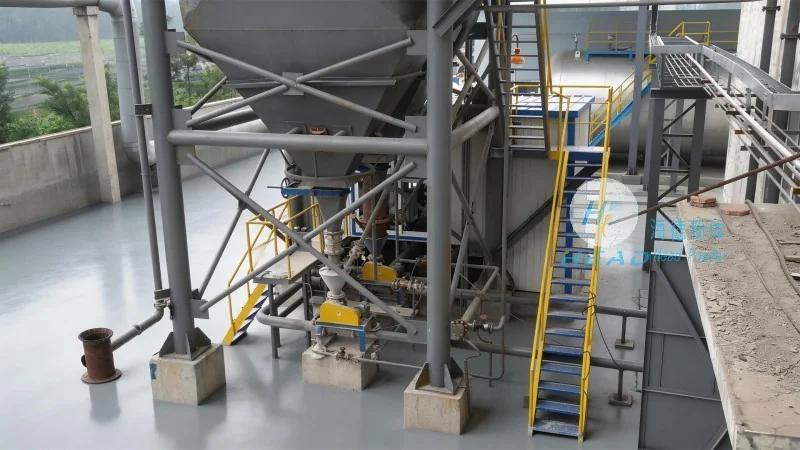
The design of an iron sand powder conveying line typically involves several key components that work in tandem to achieve efficient material transport. These components include:
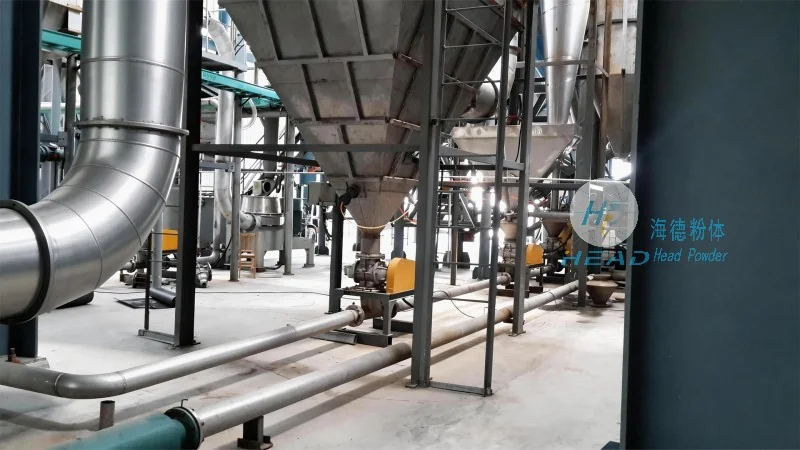
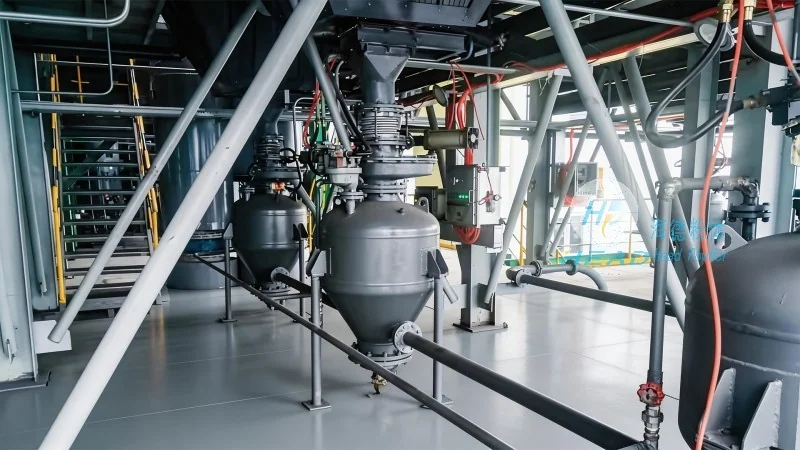
- Pneumatic Conveying Systems: Often used for iron sand powder due to their ability to handle fine powders without the need for mechanical parts that could be damaged by abrasive particles. Pneumatic systems utilize air pressure to move the material through a pipeline, ensuring a smooth and controlled flow.
- Rotary Valves: These are used as feeders and discharge devices to control the flow of iron sand powder into and out of the conveying line. They are designed to handle abrasive materials and prevent material buildup, which can lead to blockages or equipment failure.
- Filtering and Dust Collection Systems: Iron sand powder can generate significant dust during handling, posing health and safety risks. Effective filtration and dust collection systems are integral to the design, ensuring compliance with environmental regulations and maintaining a safe working environment.
- Material Handling Equipment: Depending on the specific application, additional equipment such as hoppers, silos, and conveyors may be integrated into the system to facilitate the storage and transfer of iron sand powder.
Design Principles for Iron Sand Powder Conveying Lines
The design of an iron sand powder conveying line follows several fundamental principles aimed at optimizing performance, safety, and longevity. These principles include:
- Material Compatibility: All components of the conveying line, including pipes, valves, and fittings, must be made of materials that are resistant to the abrasive and corrosive effects of iron sand powder. Common materials include stainless steel, special alloys, and wear-resistant coatings to extend the lifespan of the equipment.
- Prevention of Static Electricity: Iron sand powder is prone to generating static charge, which can cause dust explosions or interfere with the operation of electronic equipment. Designing the system with anti-static features, such as grounding and conductive materials, is crucial to mitigate these risks.
- Minimization of Material Loss: Efficient design aims to reduce the amount of iron sand powder lost during transport. This is achieved through proper sealing of components, maintaining consistent air pressure, and using appropriate conveying velocities to prevent material degradation or spillage.
- Scalability and Flexibility: The conveying line should be designed to accommodate varying production volumes and material flow rates. Modular components and adjustable controls allow for easy expansion or modification of the system as production needs change.
Applications of Iron Sand Powder Conveying Lines
Iron sand powder conveying lines are widely used in various industries where iron sand is a key raw material. Some common applications include:
- Steel Manufacturing: Iron sand is used as a raw material in the production of steel, and conveying lines are essential for transporting it from storage to the production facilities.
- Foundry Industry: In foundries, iron sand is used in the production of cast iron and other metal components. The conveying line ensures a steady supply of iron sand to the casting processes.
- Chemical and Metallurgical Processes: Iron sand is also used in chemical and metallurgical applications, where it serves as a source of iron or as a catalyst in various reactions. The conveying line facilitates the integration of iron sand into these processes.
Conclusion
An iron sand powder conveying line is a sophisticated system designed to handle the unique challenges of transporting fine, abrasive iron sand powder. By adhering to key design principles and incorporating appropriate components, these systems ensure efficient, safe, and reliable material transport. Companies like Shandong HeadPowder Engineering Co., Ltd., based in China, specialize in the design and manufacturing of such conveying systems, providing tailored solutions to meet the specific needs of industrial clients.