

What is a Clay Powder Conveying System? And What Are Its Design Principles?
A clay powder conveying system is a specialized industrial equipment designed to transport clay powder materials efficiently and safely. These systems are crucial in various industries, including ceramics, construction, and chemical manufacturing, where the handling of fine, dry clay powders is essential for production processes. The design of such systems must consider several factors to ensure optimal performance, including material properties, operational requirements, and environmental considerations.
Key Components of a Clay Powder Conveying System
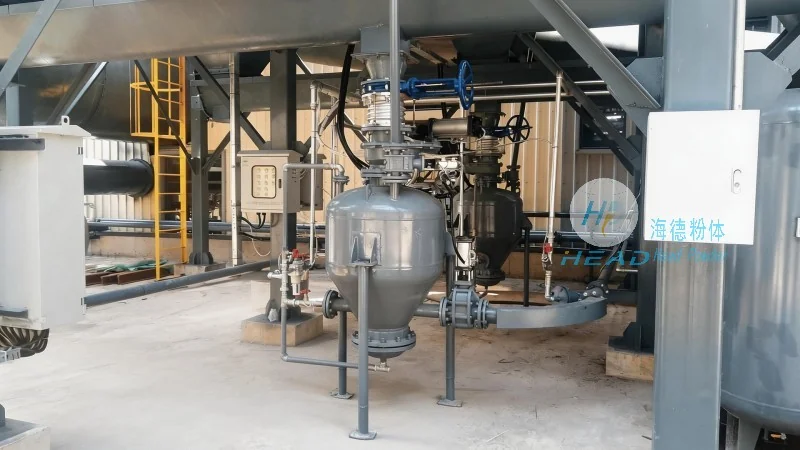
At the core of a clay powder conveying system are several key components that work together to facilitate the movement of clay powder. The primary components include a feeding device, a conveying mechanism, a control system, and a dust collection system. The feeding device, often a hopper or a rotary valve, ensures a consistent and controlled flow of clay powder into the system. The conveying mechanism, which can be pneumatic, mechanical, or a combination of both, is responsible for transporting the powder from the feeding point to the discharge point. The control system manages the operation of the conveying equipment, ensuring that the flow rate, pressure, and other parameters are maintained within optimal ranges. Finally, the dust collection system is critical for maintaining air quality and complying with environmental regulations by capturing any airborne particles.
Design Principles for Efficient Clay Powder Conveying
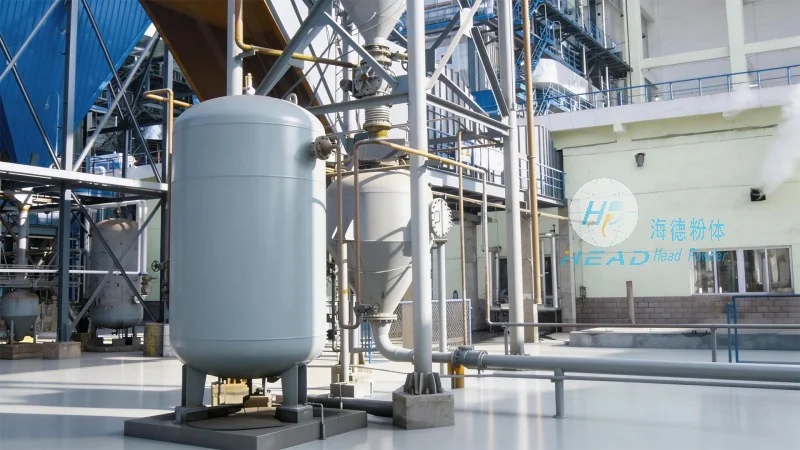
The design principles of a clay powder conveying system are centered on maximizing efficiency, minimizing material loss, and ensuring operational safety. One of the fundamental principles is the selection of an appropriate conveying method based on the specific characteristics of the clay powder, such as particle size, moisture content, and bulk density. For example, pneumatic conveying systems are often preferred for fine clay powders due to their ability to handle low to medium flow rates and their flexibility in system layout. Mechanical conveying systems, such as screw conveyors or belt conveyors, may be more suitable for coarser or bulkier materials.
Material Handling and Flow Control
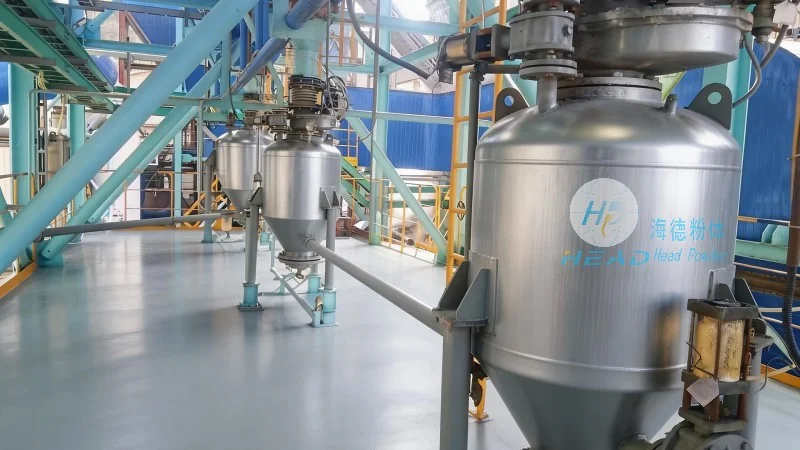
Effective material handling is a critical aspect of clay powder conveying system design. The system must be able to handle the specific properties of clay powder, which can vary significantly depending on the source and processing conditions. For instance, clay powders can be hygroscopic, meaning they absorb moisture from the air, which can affect their flow characteristics and cause caking or blockages. Therefore, the design must incorporate features to prevent moisture absorption, such as sealed hoppers and insulated pipelines. Flow control is also essential to prevent overloading or underloading of the conveying equipment, which can lead to system inefficiencies or equipment damage. This is typically achieved through the use of variable speed drives, pressure sensors, and flow meters that allow for real-time adjustments to the system's operation.
System Integration and Scalability
Modern clay powder conveying systems are often designed with integration and scalability in mind. This allows the system to be adapted to changing production needs or expanded to accommodate increased material volumes. The integration of the conveying system with other production equipment, such as mixers, extruders, or kilns, is crucial for seamless operation. For example, the conveying system may be connected to a mixer to deliver clay powder directly into the mixing process, or to an extruder to supply material for shaping. Scalability is achieved through modular design, where additional components can be added to the system without major modifications. This flexibility ensures that the system can grow with the company's production requirements, providing long-term value and efficiency.
Environmental and Safety Considerations
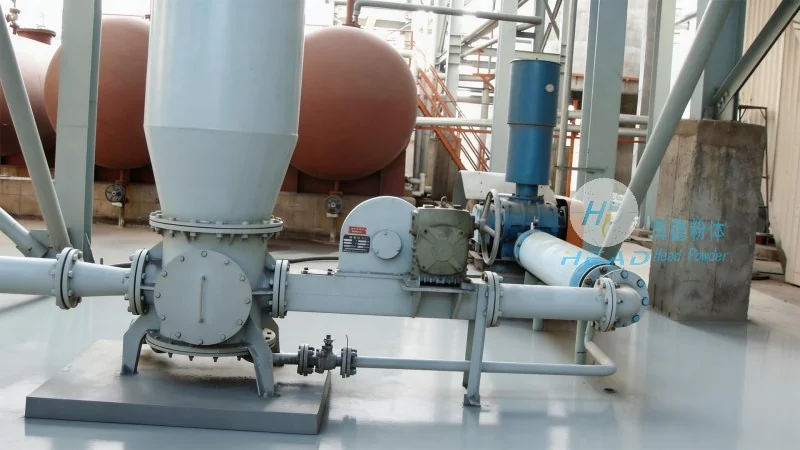
Environmental and safety considerations are integral to the design of any industrial conveying system, and clay powder conveying systems are no exception. The system must be designed to minimize dust emissions and comply with local environmental regulations. This is typically achieved through the use of efficient dust collection systems, such as baghouses or cartridge filters, which capture the majority of airborne particles. Additionally, the system must be equipped with safety features to protect operators and prevent accidents. These may include emergency stop buttons, interlocks to prevent operation when the system is open, and sensors to detect blockages or overpressure conditions. The design must also consider the potential for material contamination, as clay powders can be sensitive to foreign substances, and measures must be taken to prevent cross-contamination between different batches or materials.