

What is the Clay Coal Powder Material Pneumatic Conveying Equipment? What is its Design Principle?
Clay and coal powder are common materials in industrial processes, and efficient material handling is crucial for maintaining production efficiency. Pneumatic conveying equipment offers a solution for transporting these fine powders over long distances or within complex production lines. This article explores the concept of clay coal powder material pneumatic conveying equipment and delves into its design principles, highlighting how such systems enhance material handling capabilities.
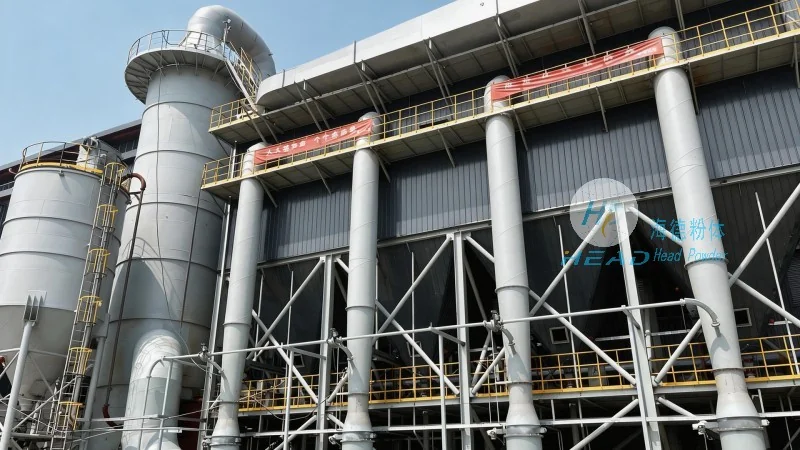
Understanding Pneumatic Conveying Systems for Fine Powders
Pneumatic conveying systems utilize air or gas to transport bulk materials, including clay and coal powders, from one location to another. These systems are particularly effective for materials that are difficult to handle mechanically, such as fine powders that can cause dust issues or require gentle handling to prevent agglomeration. The primary advantage of pneumatic conveying is its ability to transport materials in a closed system, minimizing environmental contamination and ensuring product purity.
Key Components of Clay Coal Powder Pneumatic Conveying Equipment
The design of clay coal powder pneumatic conveying equipment involves several critical components that work in tandem to ensure efficient material transport. These components typically include a material feed hopper, a conveying line (often equipped with bends and straight sections), a separation or cyclone unit, and a dust collection system. The feed hopper is designed to store and meter the powder, ensuring a consistent flow into the conveying line. The conveying line may use either positive pressure (blowing air into the line) or negative pressure (sucking air from the line) to move the material. The separation unit, such as a cyclone separator, separates the conveyed material from the air stream, allowing the powder to be collected and the air to be filtered and recycled.
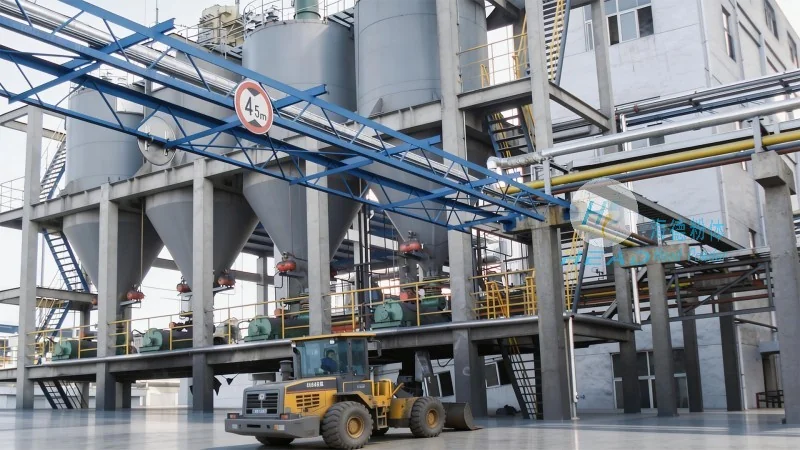
Design Principles for Efficient Material Transport
The design principles of clay coal powder pneumatic conveying equipment focus on optimizing material flow, minimizing pressure drop, and ensuring system reliability. Key design considerations include the selection of appropriate air velocity, which must be high enough to suspend the powder particles but low enough to prevent excessive wear on the conveying line. The system's pressure drop is a critical factor, as it determines the energy required to operate the equipment. Engineers often use computational fluid dynamics (CFD) to model the flow and optimize the design for minimal pressure loss. Additionally, the equipment is designed to handle variations in material properties, such as changes in particle size or moisture content, which can affect conveying efficiency.
Application of Pneumatic Conveying in Industrial Settings
Clay coal powder pneumatic conveying equipment is widely used in various industrial applications, including mining, power generation, and chemical processing. In mining operations, these systems are used to transport coal from mines to processing plants, while in power plants, they convey coal to boilers for combustion. The equipment is also employed in chemical plants to handle clay-based materials used in the production of ceramics or other industrial products. The ability to transport these materials in a closed system reduces dust exposure for workers and minimizes environmental impact, making it a preferred choice in modern industrial operations.
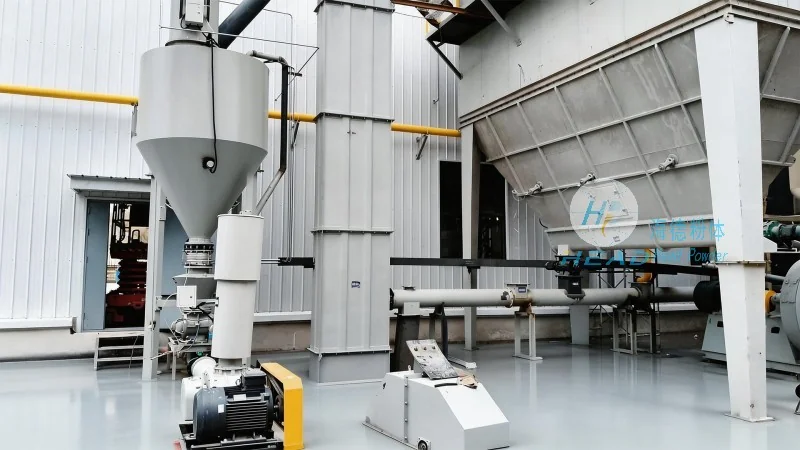
Advantages of Using Pneumatic Conveying for Clay and Coal Powders
Compared to traditional mechanical conveying methods, such as belt conveyors or screw conveyors, pneumatic conveying offers several advantages for clay and coal powders. One of the main benefits is the ability to handle materials in a dust-free environment, which improves worker safety and product quality. The closed system also prevents material contamination from external sources, ensuring that the clay or coal powder remains pure throughout the conveying process. Additionally, pneumatic conveying systems can be designed to transport materials over long distances or through complex layouts, which is often challenging with mechanical conveyors. The flexibility of these systems allows for easy integration into existing production lines, reducing downtime and increasing overall operational efficiency.
Conclusion and Company Overview
Clay coal powder material pneumatic conveying equipment is a sophisticated solution for efficient and safe material handling in industrial applications. The design principles, which focus on optimizing flow, minimizing pressure drop, and ensuring system reliability, enable these systems to transport fine powders effectively. Companies like Shandong HeadPowder Engineering Co., Ltd. specialize in designing and manufacturing such equipment, providing tailored solutions for various industrial needs. With a focus on innovation and quality, these companies ensure that their pneumatic conveying systems meet the highest standards of performance and safety, supporting the efficient operation of industrial processes worldwide.