Carbon powder pneumatic conveying machines are specialized equipment designed to transport carbon powder and similar fine particulate materials through a pipeline system using air or gas as the conveying medium. This technology offers an efficient and flexible solution for handling carbon powders in various industrial applications, such as in the production of carbon-based products, battery materials, or other related industries. Understanding the fundamentals of these machines and their design principles is crucial for optimizing material handling processes and ensuring reliable operation. HeadPowder, a leading manufacturer of such equipment, specializes in providing high-quality carbon powder pneumatic conveying machines tailored to meet the specific needs of industrial clients.
Introduction to Carbon Powder Pneumatic Conveying Machines
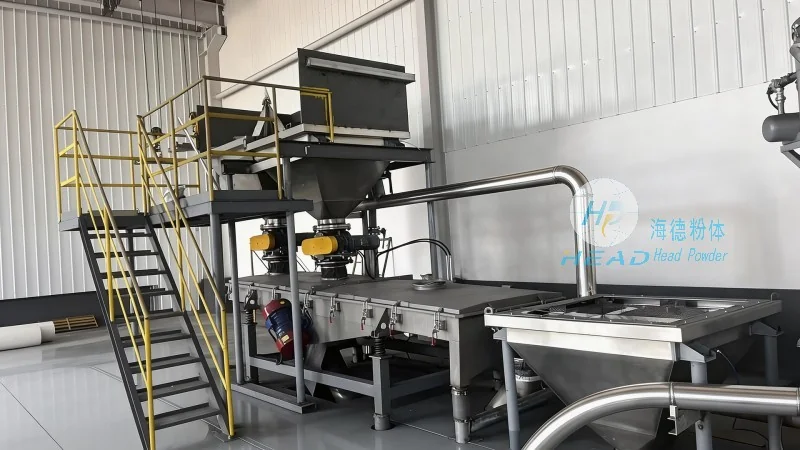
A carbon powder pneumatic conveying machine, often referred to as a carbon powder conveyor, is a system that utilizes the force of air or gas to move carbon powder from a source to a destination. Unlike traditional mechanical conveyors that rely on physical contact and friction, pneumatic conveying systems operate by creating a pressure differential or using vacuum to transport the material. This method is particularly advantageous for carbon powders, which can be sensitive to contamination, moisture, or degradation during handling. The machine typically consists of a hopper, a conveyor line, and a control system that regulates the flow of air and powder. The hopper holds the carbon powder, and the conveyor line transports it through the pipeline to the desired location, such as a processing unit or storage tank.
Design Principles of Carbon Powder Pneumatic Conveying Machines
The design of a carbon powder pneumatic conveying machine is based on several key principles to ensure efficient and reliable operation. The first principle is the selection of the appropriate conveying method, which can be categorized into two main types: pressure and vacuum systems. Pressure systems use compressed air to push the powder through the pipeline, while vacuum systems use a vacuum to pull the powder from the source. The choice between these methods depends on factors such as the distance to be covered, the volume of material to be transported, and the characteristics of the carbon powder, including its density, flowability, and particle size. For carbon powders, which often have low bulk density and can be prone to bridging or caking, a pressure system is commonly preferred as it provides better control over the flow and reduces the risk of blockages.
A critical design consideration is the selection of the right air velocity and pressure. The air velocity must be high enough to overcome the resistance of the pipeline and the powder's friction with the pipe walls, but not so high as to cause excessive wear on the equipment or degrade the powder quality. The pressure required is determined by the length of the conveyor line, the height of the vertical sections, and the number of bends or fittings in the system. Proper design ensures that the air velocity remains within an optimal range, typically between 20 to 30 meters per second for pressure systems, to maintain a stable and consistent flow of carbon powder.
Key Components and Their Functions
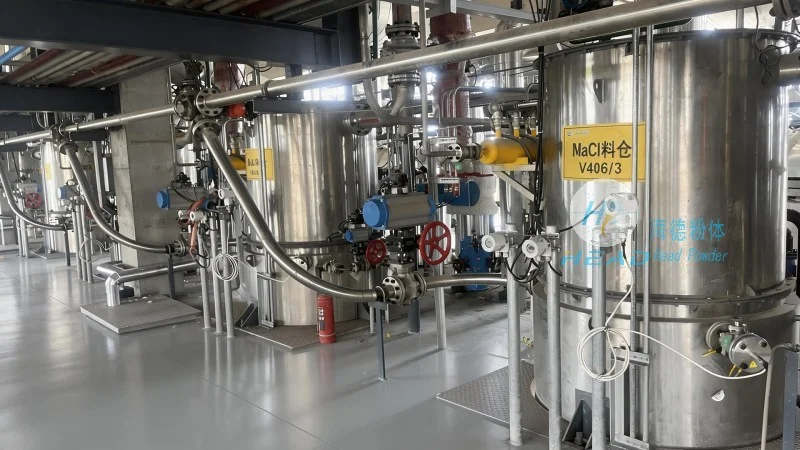
Several key components make up a carbon powder pneumatic conveying machine, each playing a vital role in the overall system. The hopper is the primary storage unit, designed to hold the carbon powder and provide a consistent feed to the conveyor line. It is often equipped with a discharge valve or a rotary valve to control the flow of powder into the system. The conveyor line, typically made of stainless steel or other corrosion-resistant materials, is the main pathway for transporting the powder. The choice of material is crucial to prevent contamination of the carbon powder and to withstand the abrasive nature of the material. The line may include various fittings, such as elbows, tees, and filters, to direct the flow and remove any particles that could clog the system.
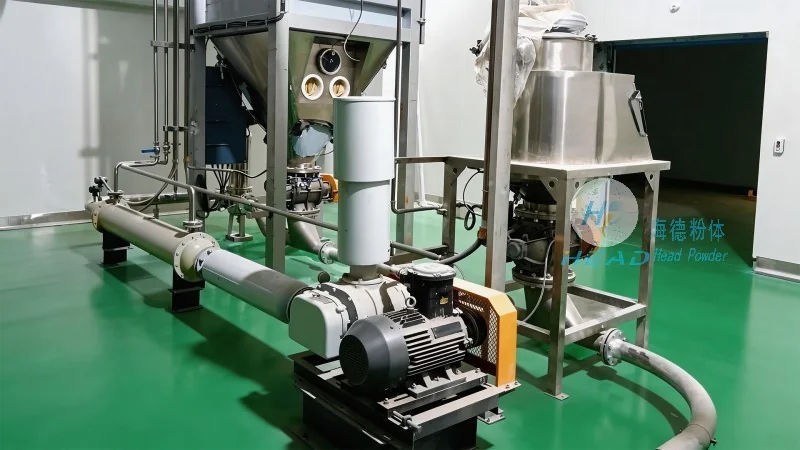
The air compressor or vacuum pump is another essential component, responsible for generating the necessary pressure or vacuum to move the powder. The compressor must be capable of delivering the required air volume and pressure at a stable rate. For carbon powder applications, a high-efficiency compressor with minimal oil contamination is preferred to avoid affecting the purity of the powder. The control system, which includes sensors, valves, and a control panel, monitors and regulates the operation of the machine. It ensures that the air flow and powder feed are synchronized, preventing overloading or underloading of the system. The control system may also include safety features, such as pressure relief valves and emergency shut-off mechanisms, to protect the equipment and personnel from potential hazards.
Advantages of Carbon Powder Pneumatic Conveying Machines
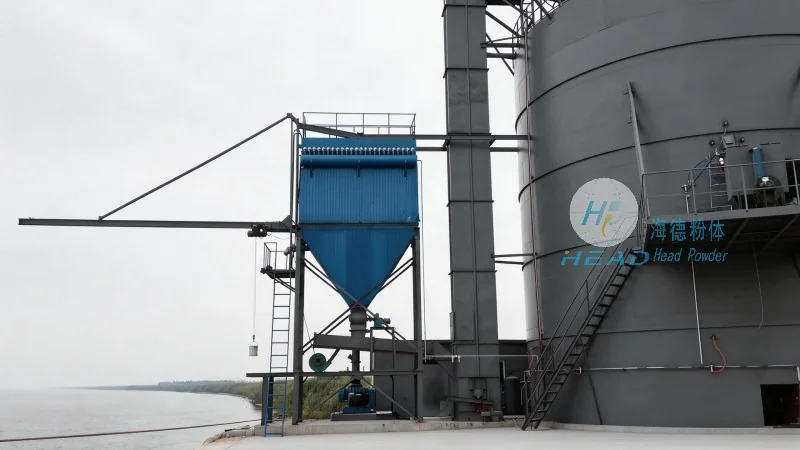
Carbon powder pneumatic conveying machines offer several advantages over traditional mechanical conveyors, making them a preferred choice for many industrial applications. One of the primary benefits is the ability to handle carbon powders in a clean and hygienic manner. Since the material is transported through a sealed pipeline, there is no exposure to the environment, reducing the risk of contamination from dust, moisture, or other external factors. This is particularly important for carbon powders used in food, pharmaceutical, or battery manufacturing, where product purity is critical. Additionally, pneumatic conveying systems can transport carbon powders over long distances and vertical heights without the need for multiple transfer points, simplifying the overall material handling process.
Another advantage is the flexibility and adaptability of the system. The conveyor line can be easily reconfigured or extended to accommodate changes in production requirements or facility layout. The system can also handle a wide range of carbon powder types, including different particle sizes, densities, and flow characteristics. This versatility makes it suitable for various applications, from small-scale laboratory use to large-scale industrial production. Furthermore, pneumatic conveying systems are generally more energy-efficient compared to mechanical conveyors, as they require less power to operate and can achieve higher material throughput with lower operational costs.
Applications in Industrial Settings
Carbon powder pneumatic conveying machines are widely used in various industrial sectors that rely on carbon powders as raw materials. In the battery industry, for example, these machines are used to transport carbon powders used in the production of lithium-ion batteries, ensuring a consistent and high-quality feedstock. The automotive industry also utilizes carbon powders in the manufacturing of carbon fiber composites, and pneumatic conveying systems help maintain the purity and consistency of these materials. In the chemical industry, carbon powders are used as additives or catalysts, and the machines ensure that these materials are handled safely and efficiently. Additionally, in the food and beverage industry, carbon powders may be used as flavorings or colorants, and the sealed pneumatic system prevents contamination, meeting regulatory standards.
Operational Considerations and Maintenance
Proper operation and maintenance of a carbon powder pneumatic conveying machine are essential to ensure its longevity and performance. Regular maintenance includes cleaning the hopper and conveyor line to prevent the buildup of carbon powder, which can lead to blockages or reduced efficiency. The air compressor or vacuum pump should be checked regularly for oil levels and filter cleanliness to maintain optimal performance. The control system should be inspected for any signs of malfunction, such as incorrect pressure readings or inconsistent flow rates. Additionally, the system should be checked for any leaks in the pipeline or fittings, as even small leaks can affect the efficiency and safety of the operation.
During operation, it is important to monitor the system for any signs of abnormal behavior, such as increased pressure or reduced flow. These could indicate a blockage or other issues that need to be addressed promptly. The use of appropriate filters and separators is also crucial to remove any fine particles or moisture from the air, preventing damage to the equipment and maintaining the quality of the carbon powder. Regular calibration of the sensors and control devices ensures that the system operates within the desired parameters, providing consistent and reliable performance.
Conclusion
Carbon powder pneumatic conveying machines are essential equipment for efficiently handling carbon powders in various industrial applications. Their design, based on principles of pressure or vacuum systems, allows for the safe and reliable transport of these materials while maintaining their quality and purity. The key components, including the hopper, conveyor line, air compressor, and control system, work together to ensure optimal performance. The advantages of these machines, such as cleanliness, flexibility, and energy efficiency, make them a preferred choice over traditional mechanical conveyors. Proper operation and maintenance are crucial to maximize the lifespan and efficiency of the system. As industrial demands for carbon powders continue to grow, the importance of these machines in maintaining production efficiency and product quality will only increase.




