Carbon material conveying is a critical process in various industrial applications, ensuring efficient and safe transportation of carbon-based materials from one location to another. The choice of conveying method significantly impacts operational efficiency, material handling costs, and overall production quality. This article provides a detailed comparison of common carbon material conveying methods, highlighting their advantages, limitations, and suitable applications.
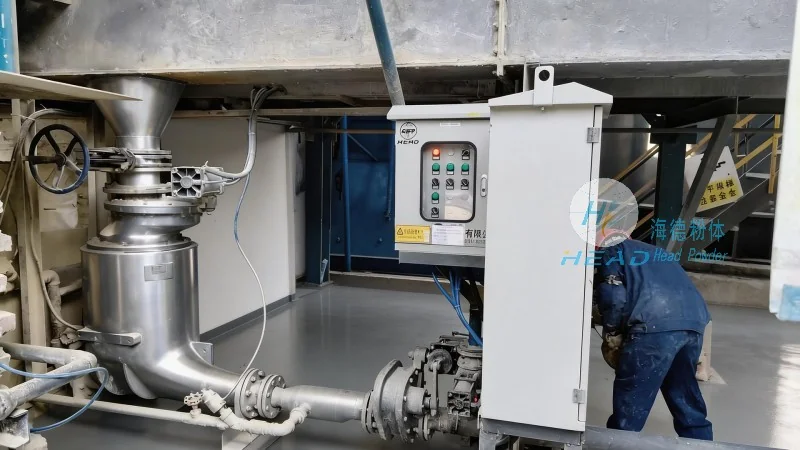
1. Screw Conveyors: A Traditional and Versatile Option
Screw conveyors, also known as auger conveyors, are among the most widely used carbon material conveying systems. These devices consist of a rotating screw (auger) inside a cylindrical housing, which moves material forward through the rotation. The design is simple, making it suitable for a wide range of carbon materials, including powders, granules, and small pieces. Screw conveyors are particularly effective for vertical or inclined transport, as they can handle materials with varying bulk densities and flow characteristics. One of the key advantages is their ability to operate in a closed system, minimizing dust emissions and material loss. However, they may not be ideal for very fine powders or materials with high moisture content, as these can cause clogging or reduced efficiency. The HeadPowder Engineering Co., Ltd. offers screw conveyor solutions tailored to specific carbon material handling needs, ensuring reliable performance in industrial settings.
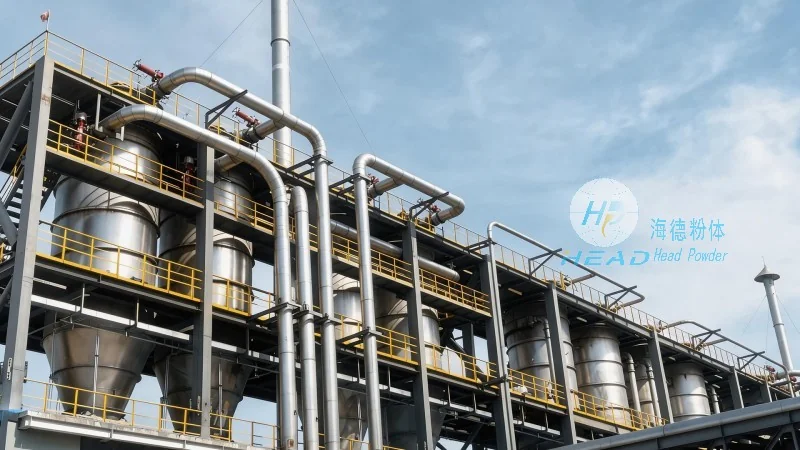
2. Pneumatic Conveying Systems: High-Capacity and Flexible Transport
Pneumatic conveying systems utilize air or other gases to transport carbon materials through a pipeline network. This method is highly effective for high-volume, long-distance transport and is particularly suitable for fine powders and granules that are prone to dusting or segregation. There are two main types of pneumatic conveyors: pressure and vacuum. Pressure systems use compressed air to push material through the pipeline, while vacuum systems use suction to draw material in. Pneumatic conveying offers advantages such as minimal material degradation, easy integration with other processing equipment, and the ability to transport materials over long distances without the need for multiple transfer points. However, it requires a robust air compression system and may be less efficient for very heavy or abrasive materials. The company, Shandong HeadPowder Engineering Co., Ltd., specializes in designing and manufacturing pneumatic conveying systems that meet the demands of carbon material transport, ensuring energy efficiency and operational reliability.
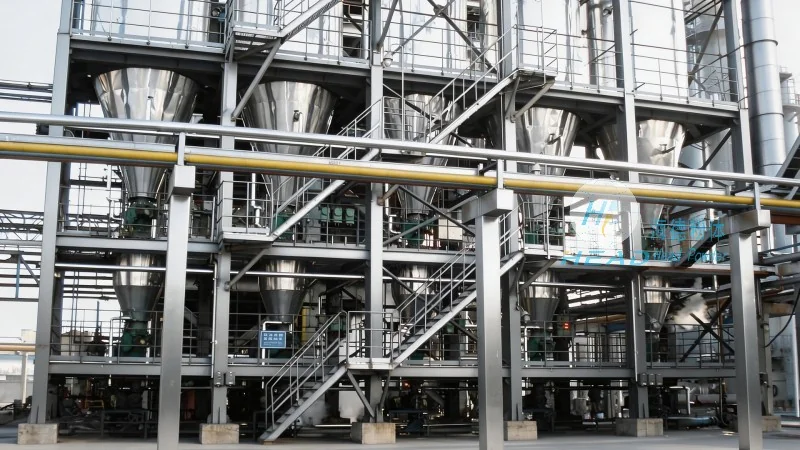
3. Belt Conveyors: Robust and Cost-Effective for Bulk Transport
Belt conveyors are a classic choice for bulk carbon material transport, especially in mining, cement, and chemical industries. These systems consist of a continuous belt that moves over rollers or pulleys, carrying the material from one point to another. Belt conveyors are capable of handling large volumes of material with high throughput, making them ideal for applications requiring continuous operation. They are particularly effective for transporting heavy, abrasive, or large-sized carbon materials, such as coal, coke, or carbon black. The design is straightforward, with minimal maintenance requirements, and can be easily adapted for horizontal, inclined, or even vertical transport with the use of idlers and incline sections. However, belt conveyors may not be suitable for very fine powders, as they can cause dust accumulation and require regular cleaning. The HeadPowder Engineering Co., Ltd. provides belt conveyor solutions that are durable and efficient, tailored to the specific bulk handling needs of carbon material processing facilities.
4. Bucket Elevators: Vertical Transport for Carbon Materials
Bucket elevators are specialized equipment designed for vertical transport of carbon materials, often used in conjunction with other conveying systems to move materials from lower to higher levels. These systems consist of a continuous belt or chain with attached buckets that scoop material and lift it vertically. Bucket elevators are highly efficient for vertical transport, capable of handling large volumes of material with minimal space requirements. They are particularly suitable for fine powders and granules that might clog other vertical conveyors. The design allows for high-speed operation and can be integrated with other processing equipment, such as mixers or reactors. However, bucket elevators require regular maintenance to prevent bucket wear and belt tension issues, and they may not be suitable for very abrasive or heavy materials that could damage the buckets or conveyor components. Shandong HeadPowder Engineering Co., Ltd. offers bucket elevator solutions that ensure reliable vertical transport of carbon materials, enhancing overall production efficiency.
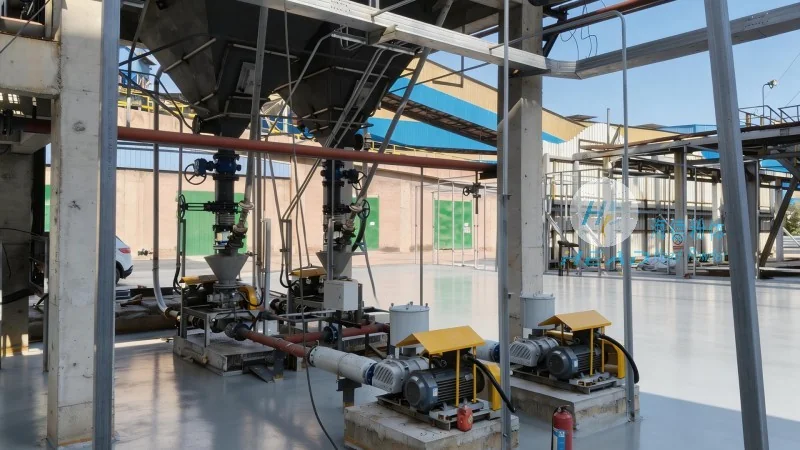
5. Comparison and Selection Considerations
When selecting a carbon material conveying method, several factors must be considered to ensure optimal performance and cost-effectiveness. These include the type and properties of the carbon material (e.g., particle size, bulk density, moisture content), the required transport distance and height, the desired throughput capacity, and the available space and budget. Screw conveyors are generally preferred for short-distance, horizontal or inclined transport of powders and granules. Pneumatic conveying is ideal for long-distance, high-volume transport of fine powders. Belt conveyors are suitable for bulk, heavy materials over long distances. Bucket elevators are best for vertical transport. The choice also depends on the need for dust control, material containment, and integration with existing processing systems. Shandong HeadPowder Engineering Co., Ltd. provides expert consultation to help clients evaluate their specific needs and select the most appropriate carbon material conveying system, ensuring long-term operational efficiency and cost savings.




