Methods of Seaweed Powder Conveyance: A Comprehensive Guide
Release time:2026-09-10 18:19:01
name of the company:Shandong Headpowder Engineering Co., Ltd.
telephone:156-6277-7102
contacts:Zhang manager
When it comes to handling and transporting seaweed powder, selecting the right conveyance method is crucial for efficiency and product integrity. As a leading manufacturer in the field, Shandong HeadPowder Engineering Co., Ltd. specializes in providing effective solutions tailored to the unique characteristics of seaweed powder. This article explores the primary methods used for seaweed powder conveyance, highlighting their advantages and practical applications.
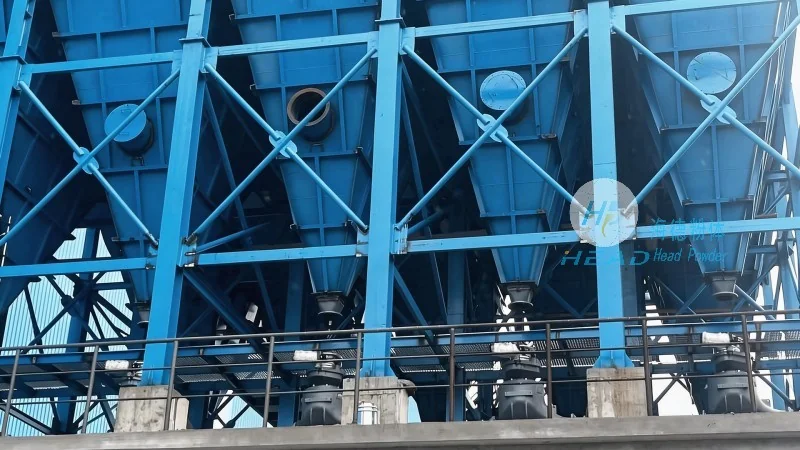
1. Screw Conveyors for Seaweed Powder Handling
One of the most common and reliable methods for transporting seaweed powder is through screw conveyors. These devices utilize a rotating helical screw to move material along a trough or tube. For seaweed powder, which can be fine and potentially sticky, screw conveyors offer several benefits. They are capable of handling dry or slightly moist powders without causing excessive segregation or degradation. The enclosed design of screw conveyors also helps maintain hygiene and prevents contamination from external sources. HeadPowder's screw conveyors are engineered with durable materials, such as stainless steel, to withstand the abrasive nature of seaweed powder and ensure long-term performance.
2. Pneumatic Conveying Systems for Seaweed Powder Transport
Pneumatic conveying systems use air or gas to transport seaweed powder through a network of pipes. This method is particularly effective for transporting powders over longer distances or in environments where traditional mechanical conveyors may not be feasible. There are two main types of pneumatic conveying: pressure and vacuum systems. Pressure systems push the powder using compressed air, while vacuum systems draw the powder into the system. For seaweed powder, which can be lightweight and prone to dust, pneumatic conveying minimizes product loss and ensures a clean transfer process. HeadPowder's pneumatic systems are designed with efficient air flow management to maintain consistent particle size and prevent clogging.
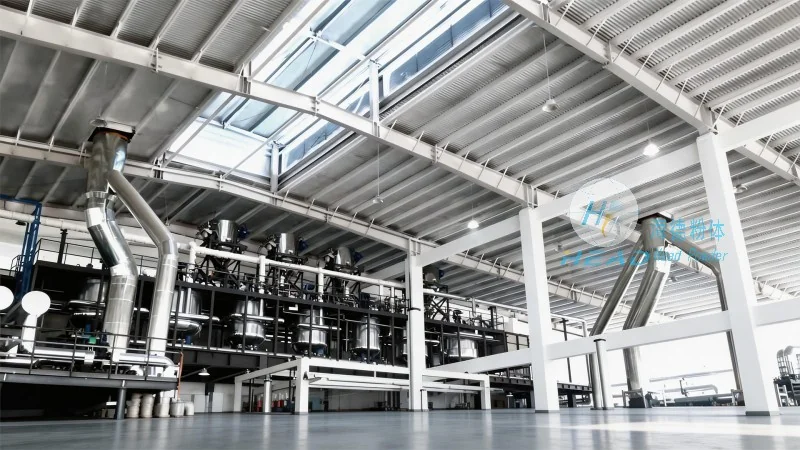
3. Belt Conveyors for Bulk Seaweed Powder Movement
Belt conveyors are widely used in industrial settings for transporting bulk quantities of seaweed powder. These systems consist of a continuous belt that moves over rollers or pulleys, carrying the material from one point to another. Belt conveyors are ideal for handling larger volumes of powder and can be easily integrated into existing production lines. They are particularly useful when transporting seaweed powder from storage silos to processing equipment. HeadPowder's belt conveyors are equipped with adjustable speed controls and heavy-duty belts to handle the varying consistency of seaweed powder, ensuring smooth and reliable operation.
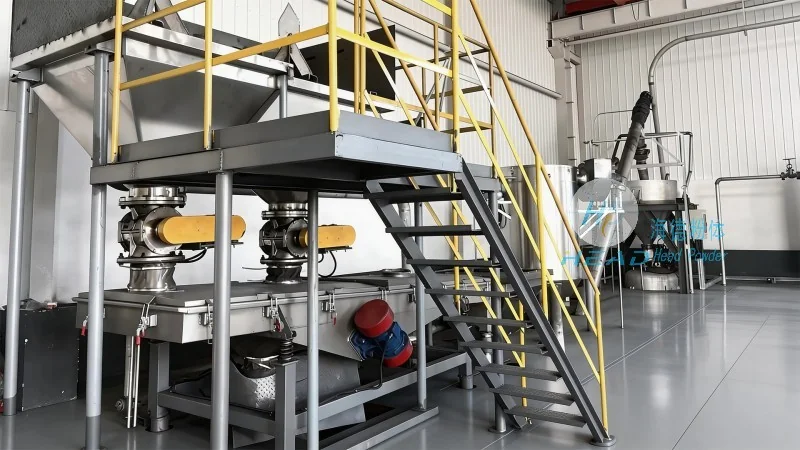
4. Bucket Elevators for Vertical Seaweed Powder Transport
For applications requiring vertical movement of seaweed powder, bucket elevators are an excellent choice. These devices use a series of buckets attached to a chain or belt that moves vertically, lifting the powder from lower to upper levels. Bucket elevators are highly efficient for transporting powders vertically and can handle both dry and slightly moist seaweed powder. They are commonly used in processing facilities where the powder needs to be elevated to a higher level for further processing or packaging. HeadPowder's bucket elevators are designed with durable buckets and robust drive systems to ensure safe and consistent vertical transport of seaweed powder.
5. Hydraulic Conveyors for Specialized Seaweed Powder Handling
Hydraulic conveyors use fluid power to transport seaweed powder, particularly in applications where other methods may not be suitable. These systems are often used for handling sticky or cohesive powders that require gentle movement to prevent agglomeration. Hydraulic conveyors can be customized to handle the specific properties of seaweed powder, ensuring minimal product damage. HeadPowder's hydraulic systems are engineered with precise control mechanisms to maintain consistent flow rates and prevent clogging, making them ideal for specialized seaweed powder applications.




