HeadPowder, formally known as Shandong HeadPowder Engineering Co., Ltd., is a leading manufacturer and supplier of refractory material pneumatic conveying systems. The company is headquartered in Shandong, China, and specializes in providing high-quality, customized solutions for the refractory industry. With years of experience in the field, HeadPowder has established itself as a trusted partner for businesses seeking reliable and efficient material handling equipment.
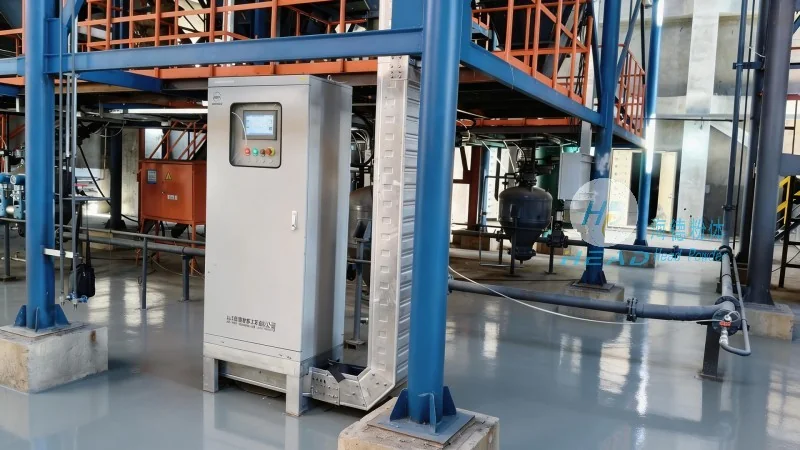
Product Overview: Refractory Material Pneumatic Conveying Systems
Refractory material pneumatic conveying systems are advanced industrial equipment designed to transport refractory powders and granules with precision and efficiency. These systems leverage air pressure to move materials from a source to a destination, eliminating the need for traditional mechanical conveyors that often suffer from dust contamination and material degradation. The systems are engineered to handle abrasive and fine materials, ensuring minimal wear and tear on components while maintaining a clean and safe working environment.
System Structure and Working Principles
The core structure of a refractory material pneumatic conveying system includes several integral components: a material hopper for storage, a feeder to control material flow, a conveying pipe network, a separator to separate material from air, and a dust collector for air filtration. The process begins when refractory material is loaded into the hopper. The feeder then meters the material into the conveying pipe, where it is propelled by a stream of air. The air and material mixture travels through the pipe to the separator, where the material is captured and deposited into a receiving container. The air, now free of dust, is filtered and recycled back into the system, ensuring optimal energy efficiency and reduced operational costs.
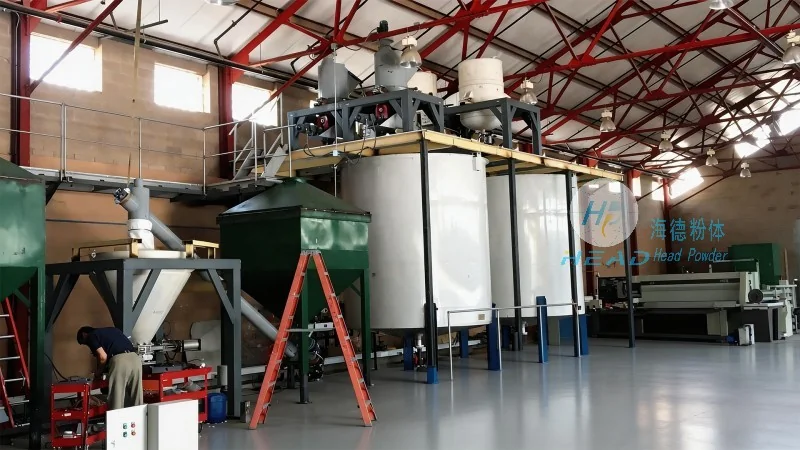
Key Advantages of Pneumatic Conveying Systems
Compared to traditional conveyor systems, refractory material pneumatic conveying systems offer several distinct advantages. Firstly, they provide a dust-free operation, which is crucial for maintaining a safe and healthy workplace in refractory production facilities. Secondly, the systems are highly flexible, allowing for easy reconfiguration and expansion as production needs change. Thirdly, they require less maintenance due to the absence of moving parts in the conveying path, leading to lower long-term operational costs. Additionally, the systems can handle a wide range of material types, from fine powders to larger granules, making them versatile for various refractory applications.
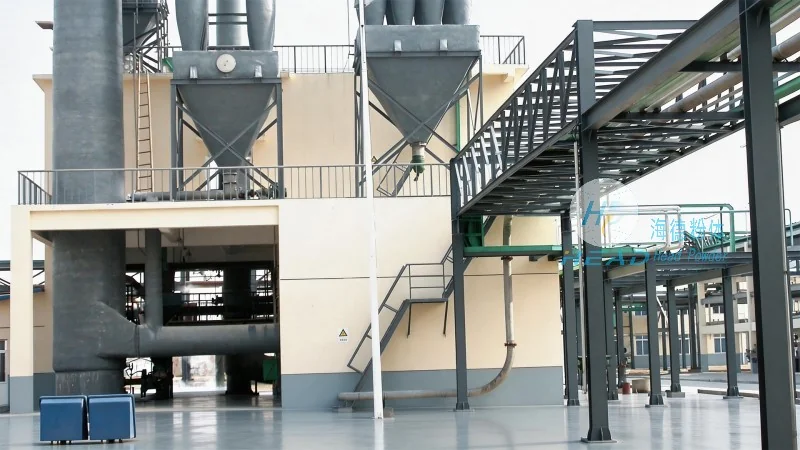
Applications in Refractory Production Processes
Refractory material pneumatic conveying systems are integral to multiple stages of refractory production. In raw material handling, they efficiently transport clays, silica, and other raw materials from storage to processing units. During the mixing phase, the systems ensure uniform distribution of additives and binders, which is critical for achieving consistent product quality. In the final packaging stage, the equipment transfers finished refractory products to storage or shipping areas, maintaining product integrity and preventing contamination. The reliability and efficiency of these systems contribute significantly to overall production line performance and output.
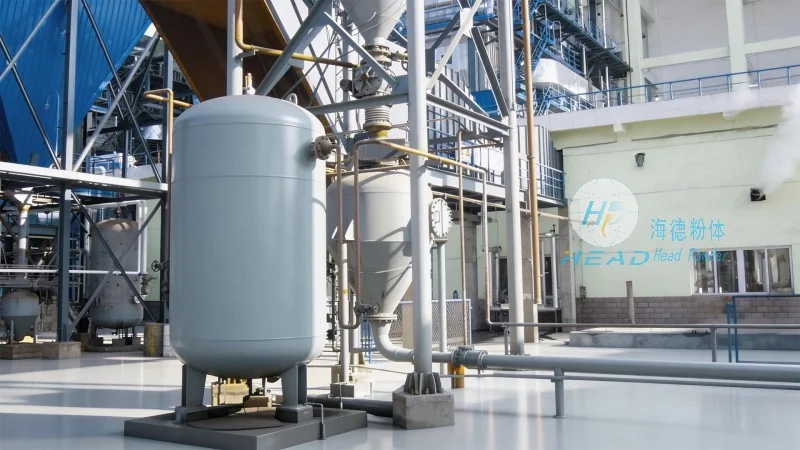
Customization and Technical Support
HeadPowder understands that each refractory manufacturing facility has unique requirements. Therefore, the company offers customized solutions tailored to specific production needs. This includes adjusting system pressure, pipe diameter, and material handling capacity to match the characteristics of the refractory materials being processed. Additionally, HeadPowder provides comprehensive technical support, including installation guidance, maintenance training, and ongoing system optimization services. This commitment to customer service ensures that clients receive not only high-quality equipment but also long-term support to maximize the system's performance and lifespan.
Conclusion
Refractory material pneumatic conveying systems represent a sophisticated and efficient solution for material handling in the refractory industry. By leveraging air pressure and advanced engineering, these systems offer significant benefits in terms of safety, cleanliness, and operational efficiency. With professional support from manufacturers like Shandong HeadPowder Engineering Co., Ltd., businesses can enhance their production capabilities and maintain a competitive edge in the market.




