Glass powder, a critical material in various manufacturing processes, demands precise and reliable handling from the point of production to the point of use. The nature of glass powder—fine particles, potential for static charge, and susceptibility to dust accumulation—necessitates specialized equipment to ensure operational efficiency and safety. This article delves into the primary methods used for glass powder conveyance, outlining their mechanisms, advantages, and typical applications. Understanding these methods is essential for industries such as glass manufacturing, ceramics, and pharmaceuticals, where consistent material flow is paramount.
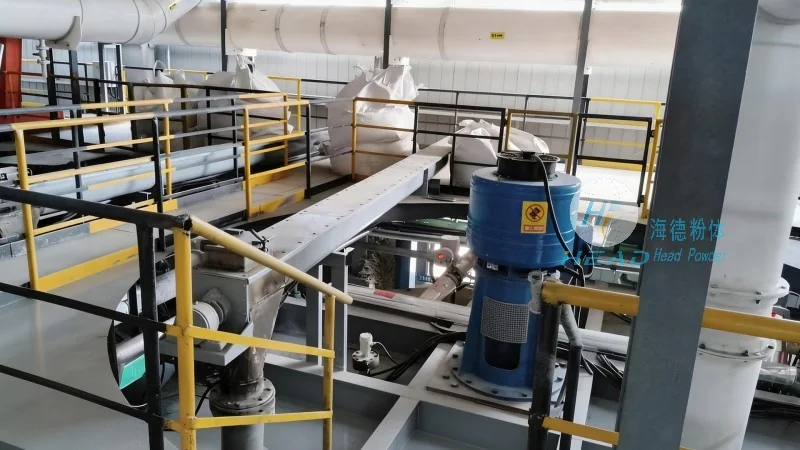
Pneumatic Conveying: The Preferred Solution for Glass Powder
Pneumatic conveying stands as one of the most widely adopted methods for glass powder transport due to its ability to handle fine, abrasive materials while minimizing contamination and dust exposure. This system utilizes air pressure or vacuum to move powder through a network of pipes. There are two main types: pressure and vacuum systems. Pressure systems use compressed air to push the powder forward, while vacuum systems draw the material into the system using a vacuum pump. For glass powder, pressure systems are often preferred as they can handle higher volumes and longer distances without the risk of clogging, which is common in vacuum setups. The key advantage lies in the enclosed environment, which prevents dust from escaping and maintains product purity. Companies like Shandong HeadPowder Engineering Co., Ltd. specialize in designing and manufacturing pneumatic conveying systems tailored to the unique properties of glass powder, ensuring optimal performance and compliance with industrial standards.
Mechanical Conveying: Traditional and Robust Options
While pneumatic systems dominate in many applications, mechanical conveying methods remain relevant for specific scenarios. These include screw conveyors, belt conveyors, and bucket elevators, each offering distinct benefits. Screw conveyors, for instance, use a rotating screw to move powder along a trough, making them suitable for horizontal or slight incline transport. They are particularly effective for handling dry, free-flowing glass powders and can be integrated with other processing equipment. Belt conveyors, on the other hand, are ideal for longer horizontal distances and can transport larger quantities of material. However, they may not be as effective for fine powders due to the risk of clogging or material spillage. Bucket elevators are used for vertical transport, lifting powder from lower to higher levels. Mechanical conveyors are generally more cost-effective for short distances and less abrasive materials but may require more maintenance and are less suitable for fine glass powders prone to static buildup.
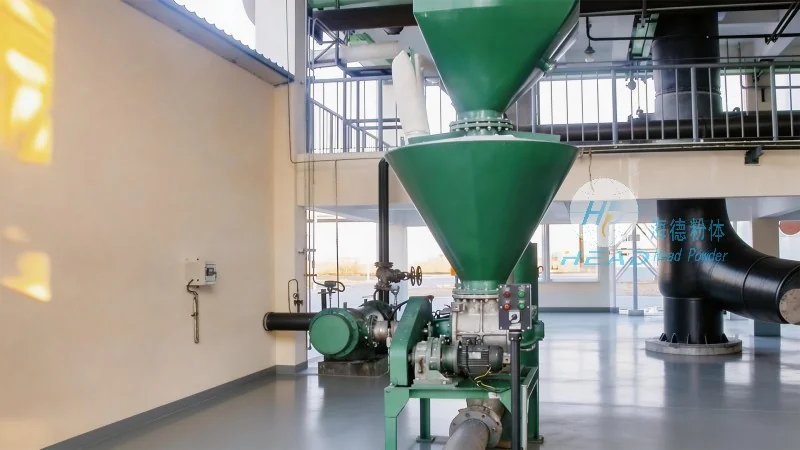
Vacuum Conveying: Controlled and Gentle Handling
Vacuum conveying systems operate by creating a negative pressure to draw glass powder into the system. This method is often preferred for materials that are sensitive to pressure or for applications requiring gentle handling. The enclosed design of vacuum systems helps maintain product integrity and prevents dust from dispersing into the environment. However, they are generally less efficient for long-distance transport and may struggle with highly abrasive or cohesive powders. For glass powder, vacuum systems are suitable for shorter distances and when the material is less prone to clogging. They are commonly used in laboratory settings or for small-scale production where the volume of material is limited.
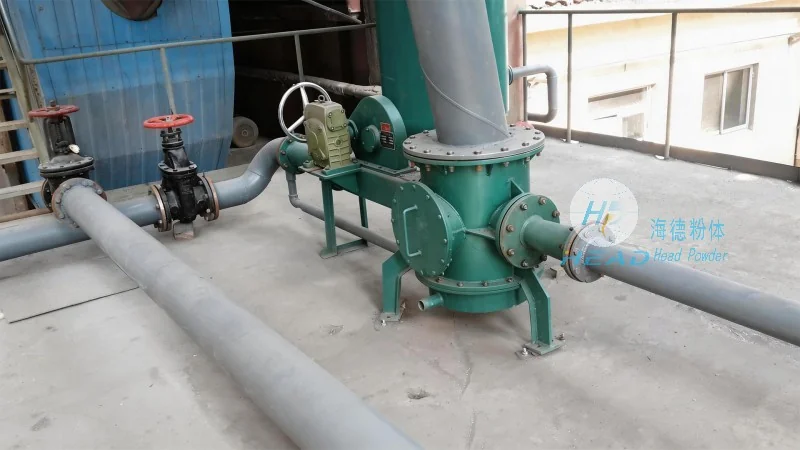
Key Considerations for Selecting a Conveying Method
Choosing the right glass powder conveying method involves evaluating several factors, including the material's properties, the distance to be covered, the required flow rate, and the environmental constraints. The particle size, moisture content, and tendency to agglomerate or generate static electricity are critical in determining the most suitable system. For example, fine glass powders with high static charge may benefit from systems that incorporate anti-static measures or use conductive materials. The scale of the operation also plays a role; large-scale industrial plants may require pneumatic systems with high-capacity pumps, while smaller facilities might opt for mechanical conveyors or vacuum systems. Additionally, the need for dust control and environmental compliance can influence the choice, as pneumatic and vacuum systems offer better containment compared to open mechanical systems.
Conclusion: Tailoring Conveying Solutions to Glass Powder Needs
In conclusion, the selection of a glass powder conveying method is a critical decision that impacts operational efficiency, safety, and product quality. Pneumatic conveying, with its enclosed and efficient design, is often the top choice for most industrial applications. Mechanical and vacuum systems, while viable in specific scenarios, may not offer the same level of performance for fine, abrasive glass powders. Companies like Shandong HeadPowder Engineering Co., Ltd. play a vital role in providing customized solutions that address the unique challenges of glass powder handling. By understanding the properties of the material and the operational requirements, industries can select the most appropriate conveying method to ensure smooth, safe, and reliable material flow.




