Calcium hydroxide, commonly known as slaked lime, is a widely used chemical in various industrial applications, including construction, water treatment, and chemical manufacturing. The efficient and safe transportation of this material is crucial for industrial operations. Pneumatic conveying systems offer an effective solution for handling calcium hydroxide, ensuring minimal dust generation and optimal material flow. This article provides an overview of calcium hydroxide pneumatic conveying systems, detailing their structure and operational principles, brought to you by Shandong HeadPowder Engineering Co., Ltd., a leading provider of industrial conveying solutions.
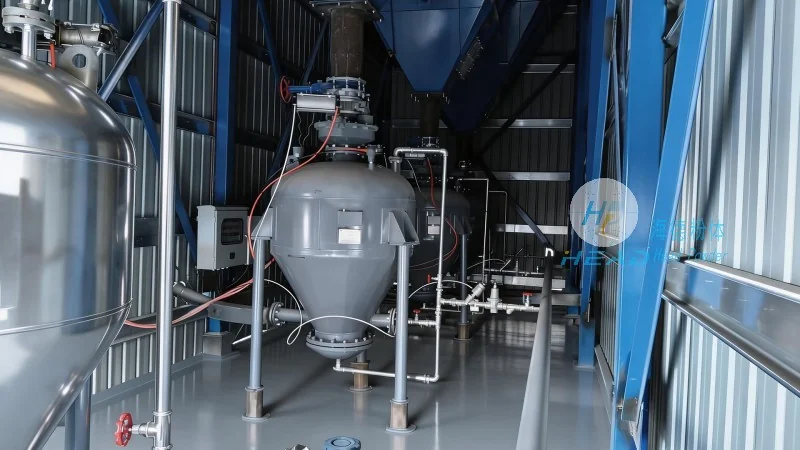
Key Components of Pneumatic Conveying Systems for Calcium Hydroxide
The pneumatic conveying system for calcium hydroxide consists of several key components that work together to facilitate material transport. These components include the hopper, feeder, conveying pipeline, air compressor, and dust collector. The hopper is designed to store the calcium hydroxide, ensuring a consistent feed to the system. The feeder, typically a rotary valve or screw feeder, controls the flow rate of the material into the pipeline. The conveying pipeline, often made of stainless steel or other corrosion-resistant materials, transports the material and air mixture. The air compressor generates the necessary air pressure to move the material through the pipeline. Finally, the dust collector removes any airborne particles, ensuring compliance with environmental regulations and maintaining a clean working environment.
Structural Principles and Operational Mechanism
The structural principles of the calcium hydroxide pneumatic conveying system are based on the principle of pneumatic transport, where material is carried by a stream of air. The system operates by introducing air into the conveying pipeline at a controlled pressure, creating a flow that lifts and transports the calcium hydroxide particles. The air velocity is critical; it must be sufficient to overcome the gravitational force of the material and maintain a stable flow. The system typically uses a positive pressure or negative pressure (venturi) design, depending on the application and material characteristics. The positive pressure system is more common for long-distance or high-capacity conveying, as it provides consistent air pressure and flow. The negative pressure system, or venturi system, is often used for shorter distances or when handling materials that are prone to dust generation. The structural design of the components, such as the hopper and pipeline, is optimized to minimize friction and pressure loss, ensuring efficient material transport with minimal energy consumption.
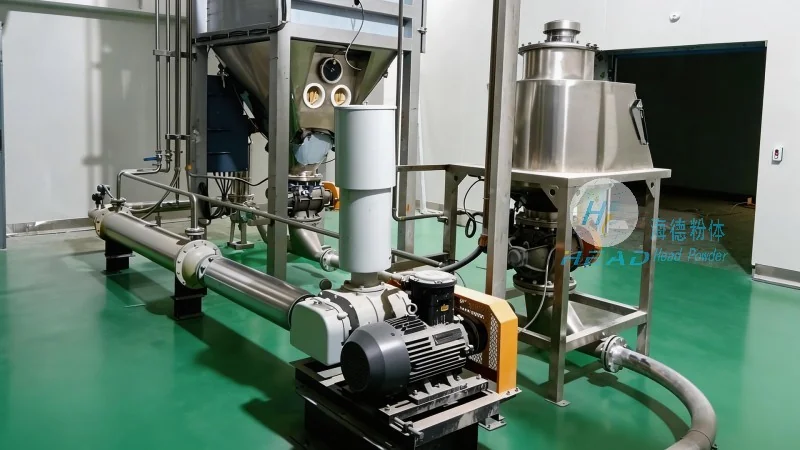
Advantages of Using Pneumatic Conveying for Calcium Hydroxide
Implementing a pneumatic conveying system for calcium hydroxide offers several advantages over traditional methods like belt conveyors or manual handling. One of the primary benefits is the reduction of dust exposure, which is crucial for worker safety and environmental compliance. Pneumatic systems enclose the material, preventing dust from escaping into the workplace. Additionally, these systems provide a more hygienic and controlled environment, which is essential for industries where material purity is critical, such as food processing or pharmaceuticals. Another advantage is the ability to handle materials with varying particle sizes and moisture content. The system can accommodate different feed rates and material characteristics, making it versatile for various applications. Furthermore, pneumatic conveying systems are more energy-efficient compared to other transport methods, as they use compressed air to move the material, reducing the need for mechanical components like belts or rollers. This efficiency translates to lower operational costs and reduced environmental impact.
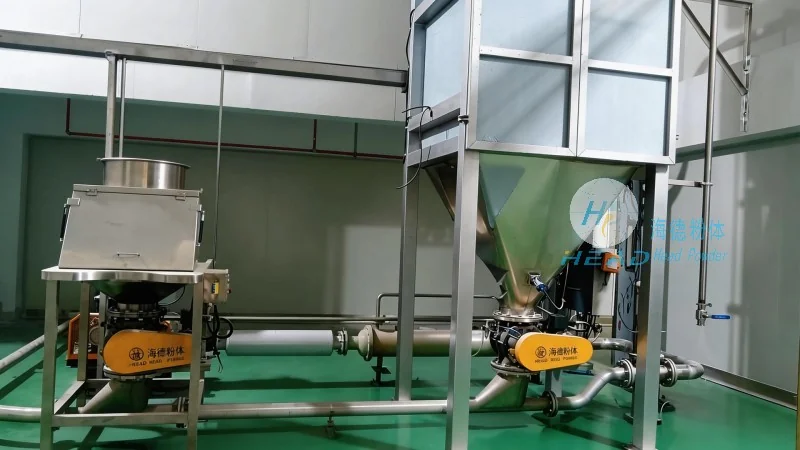
Applications and Industrial Use Cases
Calcium hydroxide pneumatic conveying systems are widely used in various industrial sectors due to their efficiency and adaptability. In the construction industry, these systems are used to transport slaked lime for mortar and concrete production, ensuring consistent material quality and reducing handling time. In water treatment facilities, the system is employed to deliver calcium hydroxide for pH adjustment and water softening processes, maintaining optimal water quality. The chemical manufacturing industry also utilizes these systems for processing calcium hydroxide in the production of other chemicals, such as calcium chloride or calcium carbonate. Additionally, in the agricultural sector, pneumatic conveying systems are used to transport lime for soil conditioning and pest control applications. The versatility of the system makes it suitable for a wide range of applications, from small-scale operations to large industrial plants.
Maintenance and Operational Considerations
Proper maintenance and operational considerations are essential to ensure the longevity and efficiency of the calcium hydroxide pneumatic conveying system. Regular maintenance of the air compressor, conveying pipeline, and dust collector is crucial to prevent system failures and maintain optimal performance. The air compressor should be checked for air pressure and flow rate regularly, as any deviations can affect material transport. The conveying pipeline should be inspected for blockages or wear and tear, as these can lead to reduced efficiency or system downtime. The dust collector should be cleaned and maintained to ensure it can effectively capture airborne particles, preventing dust accumulation and potential hazards. Operational considerations also include monitoring the feed rate and material flow, as inconsistent feeding can cause system inefficiencies or material buildup. Additionally, the system should be designed to handle the specific characteristics of calcium hydroxide, such as its moisture content and particle size, to ensure smooth operation. Proper training of operators and regular system checks are essential to minimize downtime and maximize the system's lifespan.




