HeadPowder, a leading provider in the field of material handling solutions, specializes in the design, manufacturing, and installation of advanced pneumatic conveying systems. Based in Shandong, China, the company has established itself as a trusted partner for industries requiring efficient and reliable transportation of bulk materials, particularly fly ash. This article provides an overview of the fly ash pneumatic conveying system, detailing its structural components and operational principles to help potential clients understand its functionality and benefits.
Company Profile and Background
HeadPowder Engineering Co., Ltd. is a professional enterprise dedicated to the research, development, and production of pneumatic conveying equipment. With a strong focus on innovation and quality, the company has built a reputation for delivering high-performance solutions tailored to the specific needs of its clients. Headquartered in Shandong, China, HeadPowder leverages its local expertise and extensive industry experience to serve a diverse range of sectors, including power generation, cement, and construction. The company's commitment to excellence is reflected in its adherence to international standards and continuous improvement of its product lines.
Overview of Fly Ash Pneumatic Conveying Systems
Fly ash, a byproduct of coal combustion in thermal power plants, is a fine particulate material that requires efficient and safe handling to minimize environmental impact and optimize operational efficiency. The fly ash pneumatic conveying system is a specialized solution designed to transport this material from its source to storage or processing facilities. Unlike traditional methods such as belt conveyors or screw conveyors, pneumatic conveying systems use air pressure to move the material through a pipeline, offering several advantages in terms of flexibility, cleanliness, and energy efficiency. This system is particularly suitable for applications where dust control and material containment are critical, making it a preferred choice in modern industrial settings.
Structural Components of the Fly Ash Pneumatic Conveying System
The fly ash pneumatic conveying system consists of several key components that work in tandem to ensure smooth and efficient material transport. The primary components include the material feed hopper, the air compressor or blower, the conveying pipeline, the dust collector, and the discharge unit. Each component plays a crucial role in the overall operation of the system.
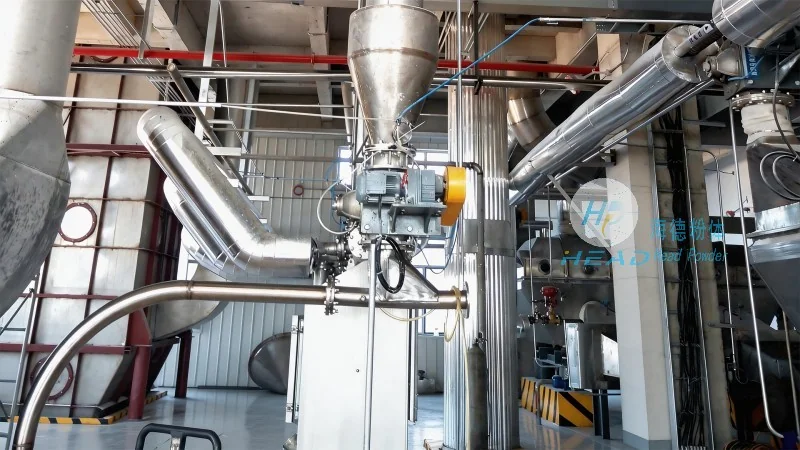
1. **Material Feed Hopper**: The feed hopper is responsible for storing and feeding the fly ash into the system. It is typically equipped with a rotary valve or a star feeder to control the flow rate of the material, ensuring a consistent and controlled feed into the pipeline. The hopper is designed to prevent material buildup and maintain a stable pressure within the system.
2. **Air Compressor or Blower**: The air compressor or blower generates the necessary air pressure to move the fly ash through the pipeline. The choice of equipment depends on the system's capacity and the specific characteristics of the fly ash, such as particle size and moisture content. High-pressure blowers are commonly used for long-distance conveying, while low-pressure systems are suitable for shorter distances.
3. **Conveying Pipeline**: The pipeline is the main channel through which the fly ash and air mixture travels. It is typically made of stainless steel or other corrosion-resistant materials to withstand the abrasive nature of the fly ash and prevent material degradation. The pipeline is designed with appropriate bends and elbows to maintain the flow of the material without causing blockages or excessive pressure drops.
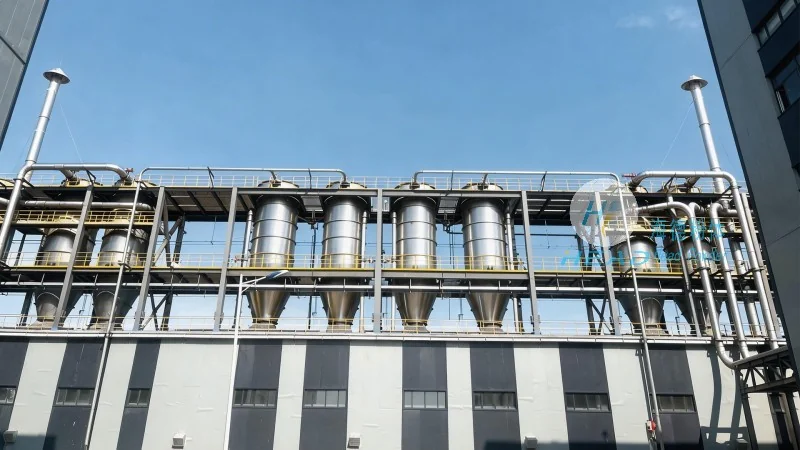
4. **Dust Collector**: The dust collector is an essential component for maintaining air quality and preventing dust emissions. It captures any fine particles that may escape from the system and filters the air before releasing it back into the environment. The dust collector is typically equipped with a baghouse or cartridge filter to ensure efficient filtration and compliance with environmental regulations.
5. **Discharge Unit**: The discharge unit is responsible for releasing the fly ash from the pipeline into the storage silo or processing equipment. It is designed to handle the material flow rate and prevent backflow or clogging. The unit may include a rotary valve or a gate valve to control the discharge process and ensure a smooth transition to the next stage of the operation.
Operational Principles of the Fly Ash Pneumatic Conveying System
The operation of the fly ash pneumatic conveying system is based on the principle of air pressure and fluid dynamics. The process begins with the material being fed from the hopper into the pipeline, where it is mixed with the air from the compressor. The air pressure creates a flow that carries the fly ash particles through the pipeline, maintaining a consistent velocity to prevent settling or blockages. The mixture of air and material travels through the pipeline, passing through bends and elbows, and eventually reaches the discharge unit. At the discharge point, the air is separated from the material, and the fly ash is collected in the storage silo or transferred to the next processing stage. The air, now containing fine particles, is directed to the dust collector for filtration before being released back into the environment.
Key Features and Benefits of the Fly Ash Pneumatic Conveying System
The fly ash pneumatic conveying system offers several key features and benefits that make it an attractive solution for industrial applications. These include:
1. **High Efficiency and Reliability**: The system provides a continuous and reliable flow of fly ash, minimizing downtime and ensuring consistent production. The use of air pressure allows for efficient transportation over long distances without the need for multiple transfer points.
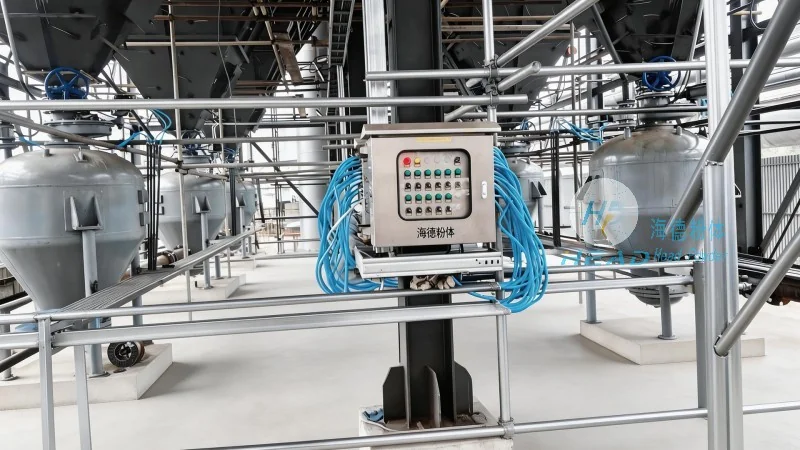
2. **Clean and Dust-Free Operation**: Unlike traditional methods that generate significant dust and require extensive cleaning, the pneumatic conveying system operates in a closed environment, reducing the risk of dust exposure and contamination. This not only improves workplace safety but also maintains the quality of the fly ash.
3. **Energy Efficiency**: By using air pressure to move the material, the system is more energy-efficient compared to mechanical conveyors, which rely on motors and gears. The air compressor or blower can be optimized to match the system's requirements, reducing energy consumption and operational costs.
4. **Flexibility and Scalability**: The system can be easily customized to meet the specific needs of different applications, including varying material flow rates, pipeline lengths, and discharge points. It can also be expanded or modified as the client's requirements change, providing long-term value.
5. **Low Maintenance Requirements**: The components of the system are designed for durability and low maintenance. The use of corrosion-resistant materials and efficient filtration systems reduces the need for frequent repairs and replacements, lowering the overall maintenance costs.
Application Examples and Industry Use Cases
The fly ash pneumatic conveying system is widely used in various industries, particularly in power generation and cement manufacturing. In power plants, the system is used to transport fly ash from the boiler to the storage silos or to the ash handling facilities. In cement plants, it is used to convey fly ash from the storage area to the raw material mixing process, where it is used as a supplementary cementitious material. The system's ability to handle fine particles and maintain a clean environment makes it suitable for applications where material quality and environmental compliance are critical.
Conclusion
HeadPowder Engineering Co., Ltd. provides advanced fly ash pneumatic conveying systems that combine efficient design, reliable operation, and environmental compliance. By understanding the structural components and operational principles of the system, clients can make informed decisions about implementing this technology in their industrial processes. The system's benefits, including high efficiency, clean operation, and energy savings, make it a valuable investment for industries seeking to optimize their material handling operations. With its headquarters in Shandong, China, HeadPowder continues to innovate and deliver solutions that meet the evolving needs of the market.




