Wood powder pneumatic conveying systems are essential equipment in various industrial applications, particularly in the processing and transportation of wood-based powders. These systems utilize air as the conveying medium to transport wood powder from one location to another efficiently and reliably. The technology has evolved significantly over the years, offering several advantages over traditional mechanical conveying methods. This article provides an overview of the structure and working principles of wood powder pneumatic conveying systems, highlighting their key components and operational mechanisms.
Key Components of a Wood Powder Pneumatic Conveying System
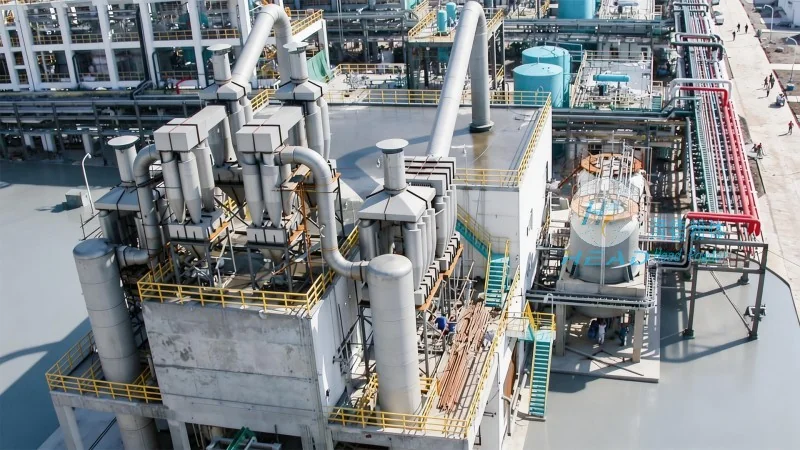
A typical wood powder pneumatic conveying system consists of several critical components that work in tandem to ensure smooth and effective powder transport. The main components include the hopper, feeder, air compressor, pipeline system, and receiver. Each component plays a vital role in the overall operation of the system.
The hopper is the initial storage unit where the wood powder is loaded. It is designed to hold a substantial quantity of powder and features a discharge outlet that connects to the feeder. The feeder, often a rotary valve or a screw feeder, regulates the flow of wood powder from the hopper into the conveying line. This controlled discharge prevents overloading and ensures a consistent feed rate.
The air compressor is the heart of the pneumatic system, responsible for generating the necessary air pressure to move the powder particles. It can be either a positive displacement compressor or a centrifugal compressor, depending on the system requirements and the volume of material to be conveyed. The pipeline system, made of materials such as stainless steel or plastic, transports the air and powder mixture from the feeder to the receiver. The receiver is the final storage or discharge point where the wood powder is collected after being conveyed through the system.
Working Principles of Wood Powder Pneumatic Conveying
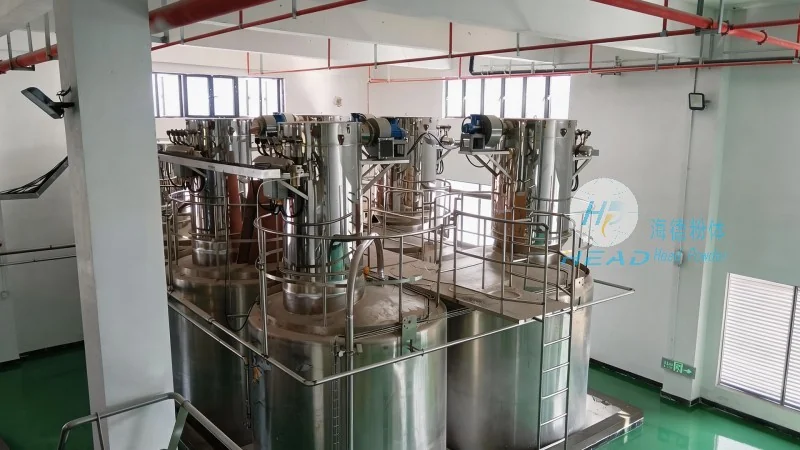
The operation of a wood powder pneumatic conveying system is based on the principle of air flow and particle suspension. When the air compressor starts, it creates a high-pressure air stream that flows through the pipeline. The feeder then introduces the wood powder into the pipeline, where the air stream lifts and transports the powder particles. The velocity of the air is crucial; it must be sufficient to keep the powder particles suspended and prevent them from settling or clogging the pipeline.
There are two main types of pneumatic conveying systems: dilute-phase and dense-phase. Dilute-phase systems operate at higher air velocities, typically above 20 m/s, and are suitable for short distances and low to medium powder loads. Dense-phase systems, on the other hand, operate at lower air velocities and higher powder concentrations, making them ideal for longer distances and high-volume applications. The choice between these systems depends on the specific requirements of the wood powder handling process.
Advantages of Wood Powder Pneumatic Conveying Systems
Wood powder pneumatic conveying systems offer several advantages over traditional mechanical conveying methods. One of the primary benefits is the ability to transport wood powder in a closed system, which helps prevent dust contamination and environmental pollution. This is particularly important in industries where dust control is a regulatory requirement. Additionally, pneumatic systems can handle fine and abrasive powders without causing wear and tear on the equipment, as the air acts as a cushioning medium.
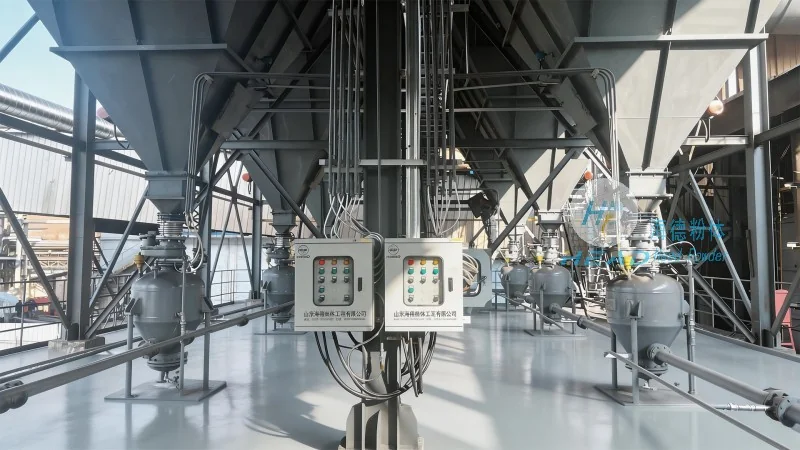
Another advantage is the flexibility in system design. Pneumatic conveying systems can be configured in various layouts, including straight-line, loop, and vertical configurations, to suit different plant layouts and operational needs. They can also be integrated with other processing equipment, such as mixers or dryers, to form a complete production line. The systems are also relatively easy to install and maintain, with fewer moving parts compared to mechanical conveyors.
Applications of Wood Powder Pneumatic Conveying Systems
Wood powder pneumatic conveying systems are widely used in various industries that handle wood-based powders. These include the wood processing industry, where wood powder is used as a raw material for manufacturing wood-based panels, such as particleboard and MDF. The systems are also used in the pharmaceutical and food industries, where wood powder is used as a filler or binder in certain products. Additionally, they are employed in the chemical industry for transporting wood-derived powders used in various chemical processes.
In the wood processing industry, for example, a wood powder pneumatic conveying system can be used to transport wood flour from a grinding mill to a mixing plant. The system ensures that the wood powder is transported efficiently and without contamination, maintaining the quality of the final product. Similarly, in the pharmaceutical industry, the system can be used to transport wood powder used as a filler in tablets, ensuring a consistent and clean supply of the raw material.
About Shandong HeadPowder Engineering Co., Ltd.
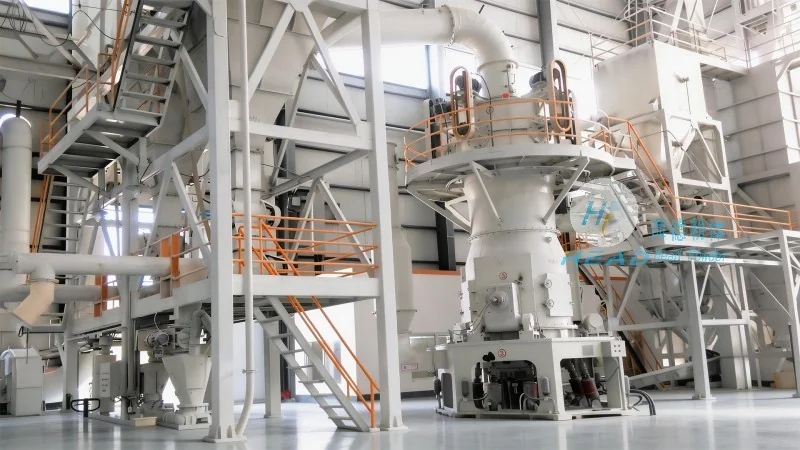
Shandong HeadPowder Engineering Co., Ltd., commonly known as headpowder, is a leading manufacturer and supplier of wood powder pneumatic conveying systems and related equipment. The company is based in Shandong, China, and has a strong reputation for providing high-quality, reliable, and efficient conveying solutions to its clients. With years of experience in the industry, headpowder has developed a range of pneumatic conveying systems tailored to the specific needs of different industries.
The company's products are designed to meet the highest standards of quality and performance, ensuring that they can handle a wide variety of wood powders with different properties. The systems are manufactured using advanced technology and materials, which enhances their durability and longevity. headpowder also provides comprehensive after-sales services, including installation, maintenance, and technical support, to ensure that its clients can operate their systems efficiently and effectively.
With a focus on innovation and customer satisfaction, Shandong HeadPowder Engineering Co., Ltd. continues to be a trusted partner for businesses in need of reliable wood powder conveying solutions. The company's commitment to quality and customer service has helped it build a strong customer base and establish itself as a leader in the industry.




