Coal gangue, also known as coal waste or mine rock, is a byproduct of coal mining and processing. Efficient handling and transportation of this material are crucial for industrial operations, especially in mining and power generation sectors. Pneumatic conveying lines offer a reliable and effective solution for transporting coal gangue over long distances or within complex industrial setups. This article delves into the operation process and working principle of such systems, highlighting their importance and technical aspects.
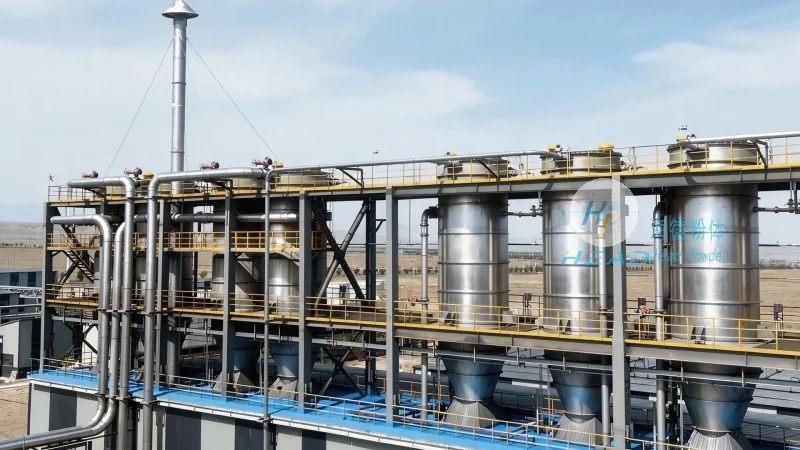
Key Components of Pneumatic Conveying Lines for Coal Gangue
A typical coal gangue pneumatic conveying system consists of several key components that work in tandem to ensure smooth material transport. These components include the material hopper, which stores the coal gangue; a feeder or pump that introduces the material into the system; a conveying line (usually made of metal or plastic pipes) that transports the material; a separator or filter to remove air from the material stream; and a discharge point where the material is deposited. Each component plays a critical role in maintaining the efficiency and safety of the system.
Working Principle of Coal Gangue Pneumatic Conveying
The working principle of a coal gangue pneumatic conveying line is based on the use of compressed air to move the material. The process begins when the coal gangue is fed into the system from the hopper. The feeder then introduces the material into the conveying line at a controlled rate. Compressed air is then introduced into the line, creating a flow that carries the material particles forward. The air and material mixture travels through the pipe, and at the discharge point, the air is separated from the material, typically using a cyclone separator or a filter. The separated material is then collected, while the air is either vented or recycled back into the system. This continuous process allows for the efficient and safe transport of coal gangue over various distances and in different industrial environments.
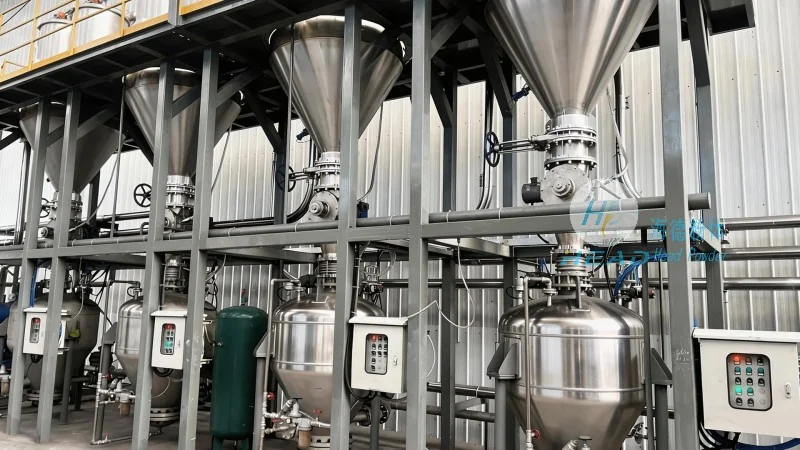
Operation Process of Coal Gangue Pneumatic Conveying Lines
The operation process of a coal gangue pneumatic conveying line involves several sequential steps that ensure optimal performance. First, the system is prepared by checking the hopper for material levels and ensuring that all components are properly connected and functional. Next, the compressed air supply is activated, and the feeder is started to introduce the coal gangue into the system. The system then operates continuously, with the air flow and material feed rate adjusted as needed to maintain a stable conveying rate. During operation, the system is monitored for any signs of blockages, air leaks, or material buildup, which are addressed promptly to prevent system downtime. Finally, when the material transport is complete, the system is shut down in a controlled manner, with the air supply turned off and the hopper emptied.
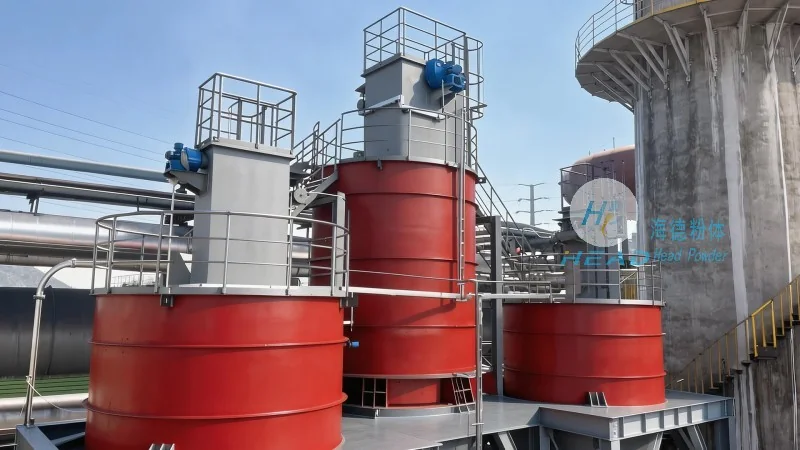
Advantages of Using Pneumatic Conveying for Coal Gangue Transport
Pneumatic conveying systems offer several advantages when used for coal gangue transport. These include the ability to transport material over long distances without the need for multiple transfer points, reducing the risk of material spillage and contamination. The system is also relatively compact and can be installed in confined spaces, making it suitable for industrial facilities with limited floor space. Additionally, pneumatic conveying is a dust-free or low-dust operation, which improves workplace safety and reduces the risk of respiratory issues for workers. The system is also flexible, allowing for changes in the conveying route or material flow rate as operational needs change.
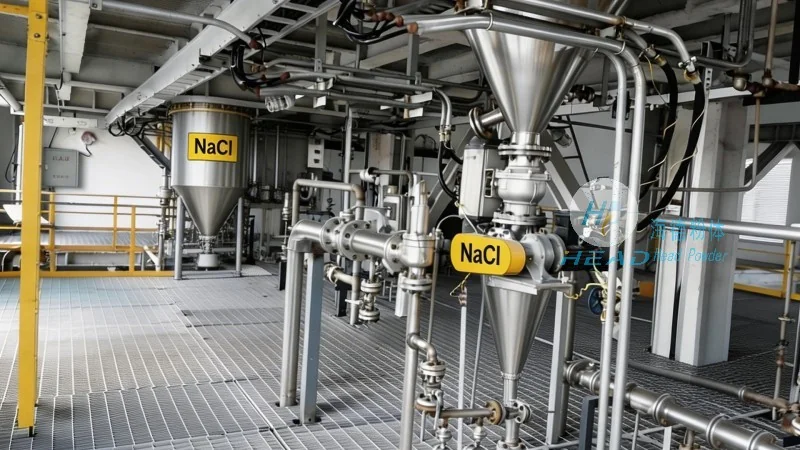
Technical Considerations for Coal Gangue Pneumatic Conveying
Several technical considerations are important when designing and operating a coal gangue pneumatic conveying system. The first is the material characteristics, such as particle size, density, and moisture content, which affect the air flow requirements and system design. The second is the conveying distance and elevation change, which determine the required air pressure and power. The third is the system layout, including the number and type of components, which impact the overall efficiency and cost. Proper maintenance of the system is also crucial to ensure long-term performance, including regular cleaning of the conveying line, checking for wear and tear on components, and replacing worn parts as needed.
Shandong HeadPowder Engineering Co., Ltd., located in Shandong, China, specializes in the design, manufacturing, and installation of advanced pneumatic conveying systems for various industrial applications, including coal gangue transport. With years of experience in the field, the company provides customized solutions tailored to meet the specific needs of clients, ensuring efficient and reliable material handling operations.




