

Working Principle and Features of a Phosphoric Hydrogen Calcium Pneumatic Conveying System
Phosphoric hydrogen calcium, a vital material in sectors like agriculture, food processing, and pharmaceuticals, demands efficient and safe transportation solutions. The pneumatic conveying system, specifically engineered for handling this fine powder, utilizes air as the conveying medium to transport phosphoric hydrogen calcium with precision and minimal risk of contamination. This article examines the working principle and key attributes of a phosphoric hydrogen calcium pneumatic conveying system, highlighting its operational benefits and design considerations.
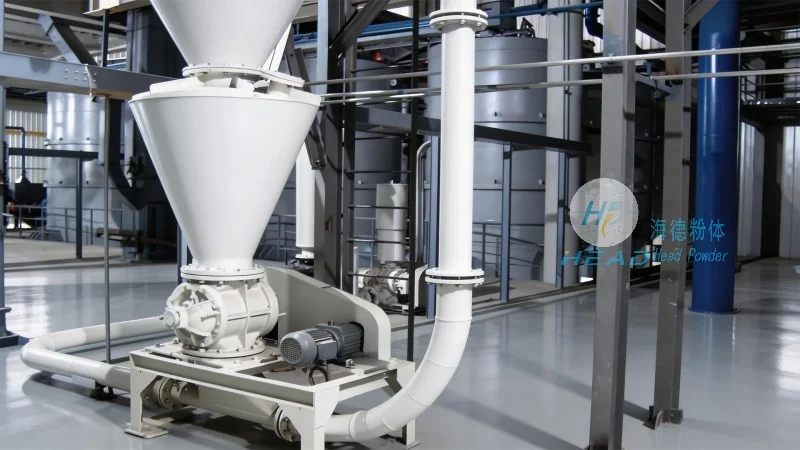
Introduction to Phosphoric Hydrogen Calcium Pneumatic Conveying Systems
Phosphoric hydrogen calcium, also known as calcium dihydrogen phosphate, is widely used as a fertilizer additive, food supplement, and industrial chemical. Its fine particle size and hygroscopic nature require specialized handling to prevent dust generation and maintain product integrity. The pneumatic conveying system addresses these challenges by leveraging air pressure to move the material from the source to the destination. This technology is particularly advantageous for phosphoric hydrogen calcium due to its ability to transport fine powders without clogging or degradation, ensuring consistent quality throughout the process.
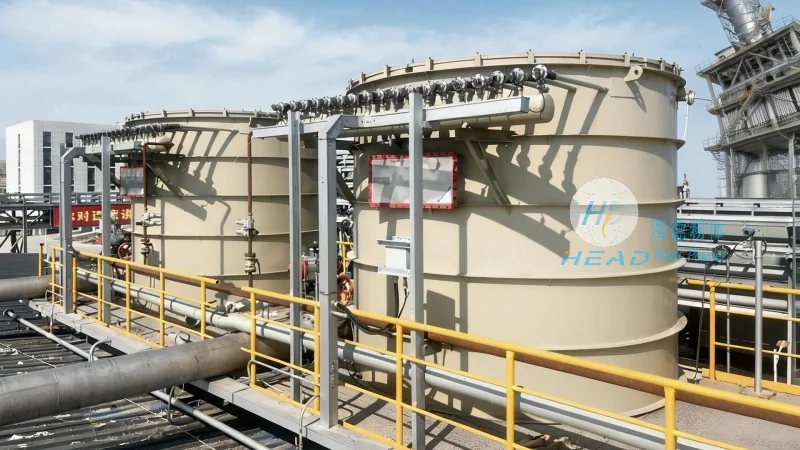
Working Principle of the Pneumatic Conveying System
The core mechanism of a phosphoric hydrogen calcium pneumatic conveying system revolves around air flow and pressure differentials. The system operates in two primary modes: suction (vacuum) and pressure. In the suction mode, a vacuum is created at the material inlet, drawing the phosphoric hydrogen calcium powder into the conveying pipeline. The air and powder mixture then travels through the pipeline to the discharge point, where a cyclone or filter separates the air from the material. In the pressure mode, compressed air is introduced at the discharge end, pushing the material forward through the pipeline. Both modes rely on maintaining a consistent air velocity to prevent material settling or blockages, ensuring smooth and continuous transport.
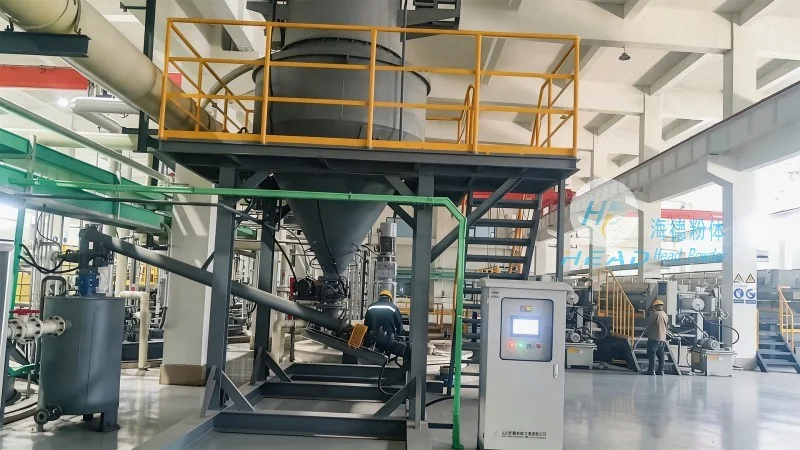
Key Features and Advantages
The phosphoric hydrogen calcium pneumatic conveying system offers several critical advantages that enhance industrial efficiency and safety. Firstly, it provides a dust-free conveying process, which is essential for maintaining product quality and complying with health and environmental regulations. Unlike traditional mechanical conveyors, the pneumatic system eliminates the risk of dust exposure, reducing occupational hazards and minimizing environmental contamination. Secondly, it delivers high efficiency and flexibility in material handling. The system can transport phosphoric hydrogen calcium over long distances with low energy consumption, and its modular design allows for easy integration with existing production lines. Additionally, the system is adaptable to varying particle sizes and moisture content, ensuring consistent performance regardless of the material's characteristics.
Operational Considerations and Maintenance
While the phosphoric hydrogen calcium pneumatic conveying system is highly effective, proper operation and maintenance are crucial for sustained performance. Regular cleaning of the conveying lines and filters is necessary to prevent clogging and maintain air flow efficiency. The system's components, such as the air compressor and cyclone separator, require periodic inspection and maintenance to avoid breakdowns. Furthermore, the system's design should account for the material's density and flowability to ensure appropriate air velocity for smooth transport. By adhering to these operational guidelines, the system can deliver reliable and consistent performance, minimizing downtime and maximizing productivity.
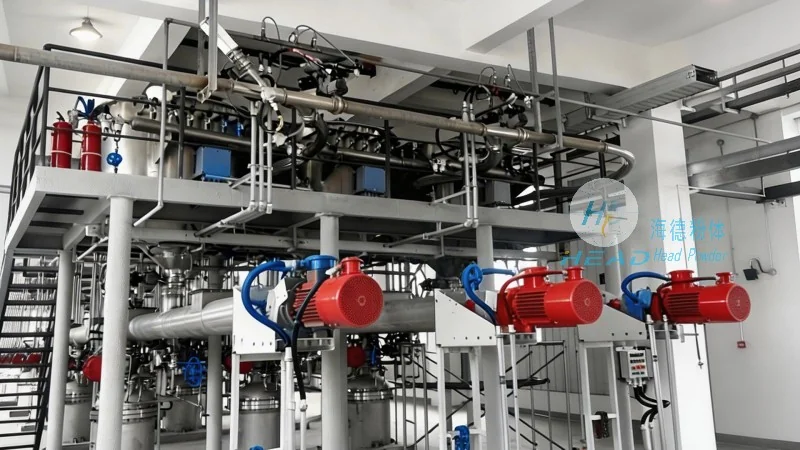
Conclusion
In summary, the phosphoric hydrogen calcium pneumatic conveying system is a sophisticated and efficient solution for transporting this essential material. Its working principle, based on air pressure and flow, enables dust-free and high-quality handling of fine powders. The key features, including operational efficiency, flexibility, and environmental friendliness, make it a preferred choice in various industrial applications. As a leading manufacturer in this field, Shandong HeadPowder Engineering Co., Ltd., located in Shandong, China, specializes in designing and producing such systems tailored to client-specific needs. The company's expertise in pneumatic conveying technology ensures that the systems are built to withstand the demands of handling phosphoric hydrogen calcium, providing long-term reliability and optimal performance for industrial operations.