

Operation Process and Working Principle of Silicate Pneumatic Conveying Lines
HeadPowder, a leading engineering company based in Shandong, China, specializes in the design, manufacturing, and installation of advanced pneumatic conveying systems for silicate materials. Our systems are engineered to efficiently transport various silicate powders and granules, ensuring high reliability and minimal maintenance. This article delves into the operational process and underlying principles of silicate pneumatic conveying lines, highlighting the key components, working mechanisms, and practical applications.
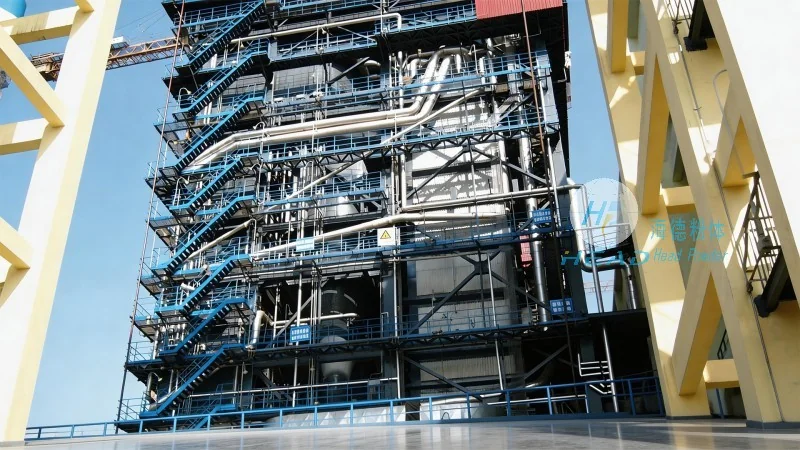
Key Components of Silicate Pneumatic Conveying Systems
The silicate pneumatic conveying line typically consists of several critical components that work in tandem to achieve efficient material transport. The primary components include the material hopper, feeder, air compressor, conveying pipeline, and discharge unit. The material hopper is designed to store the silicate material, ensuring a consistent feed rate. The feeder, often a rotary valve or a screw feeder, regulates the flow of material into the system. The air compressor generates the necessary air pressure to move the material through the pipeline. The conveying pipeline, usually made of stainless steel or other corrosion-resistant materials, is designed to withstand the abrasive nature of silicate powders. The discharge unit, such as a rotary valve or a dust collector, collects the material at the end of the line.
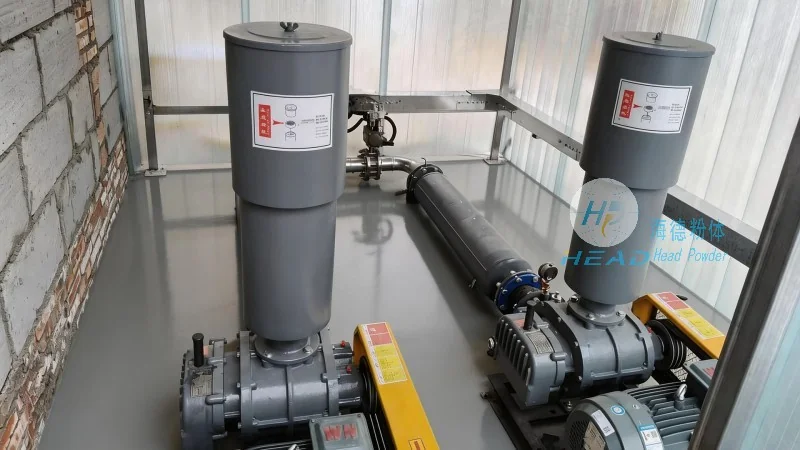
Working Principle of Pneumatic Conveying
The working principle of silicate pneumatic conveying relies on the use of compressed air to transport the material. When the air compressor operates, it generates high-pressure air that is introduced into the conveying pipeline. The feeder then introduces the silicate material into the pipeline, where the air and material mix and move together. The air velocity is carefully controlled to ensure that the material is carried through the pipeline without causing blockages or excessive wear. The conveying process can be either positive or negative pressure, depending on the system design and application requirements. Positive pressure systems use compressed air to push the material forward, while negative pressure systems use suction to draw the material into the pipeline.
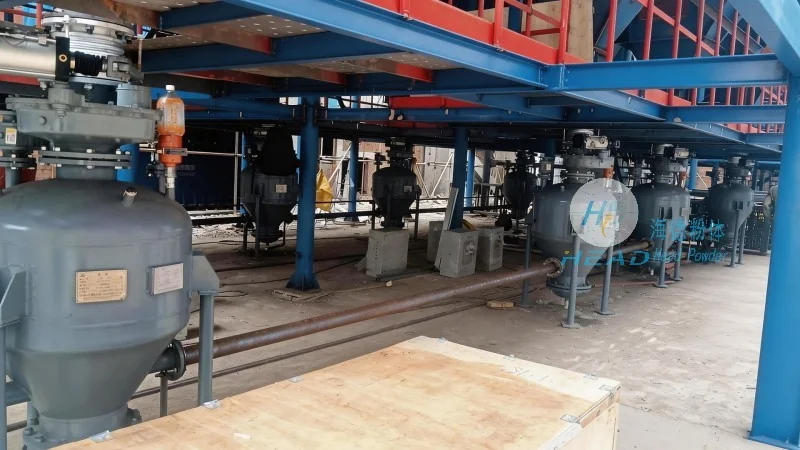
Operation Process of Silicate Pneumatic Conveying Lines
The operation process of a silicate pneumatic conveying line involves several sequential steps. First, the material is loaded into the hopper. The feeder then starts to regulate the flow of material into the system. The air compressor is activated, and the compressed air is introduced into the pipeline. The material is then conveyed through the pipeline to the discharge unit. The discharge unit collects the material and may further process it or store it. The system is equipped with sensors and controls to monitor the flow rate, pressure, and temperature, ensuring optimal performance. Regular maintenance, such as cleaning the pipeline and checking the air compressor, is essential to maintain the efficiency and longevity of the system.
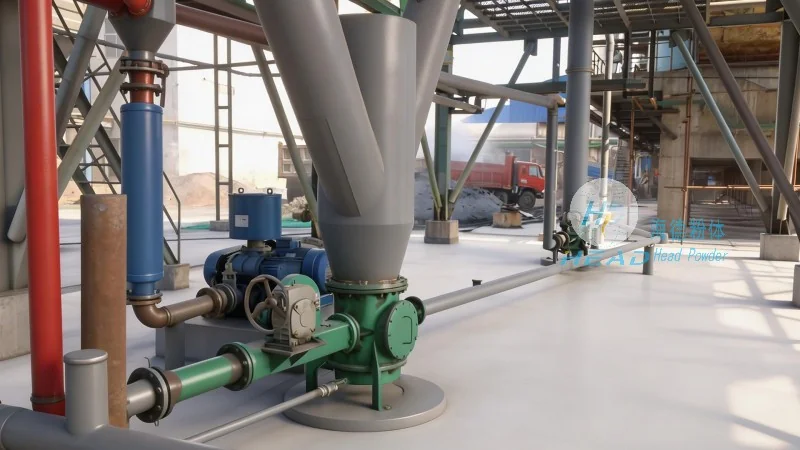
Applications and Benefits of Silicate Pneumatic Conveying
Silicate pneumatic conveying systems are widely used in various industries, including ceramics, glass, and construction materials. The benefits of using such systems include high efficiency, low maintenance, and the ability to transport materials over long distances without the need for intermediate storage. The systems are also designed to minimize dust emissions and ensure a clean working environment. HeadPowder's expertise in designing and manufacturing these systems ensures that clients receive customized solutions tailored to their specific needs. Our systems are built to meet the highest standards of quality and reliability, providing long-term performance and cost savings.