

Operation Process and Working Principle of Limestone and Gypsum Powder Pneumatic Conveying Lines
HeadPowder, a leading engineering company based in Shandong, China, specializes in the design, manufacturing, and installation of advanced pneumatic conveying systems for industrial applications. This article provides a detailed overview of the operation process and working principle of their limestone and gypsum powder pneumatic conveying lines, highlighting the key components, operational steps, and technical advantages of the system.
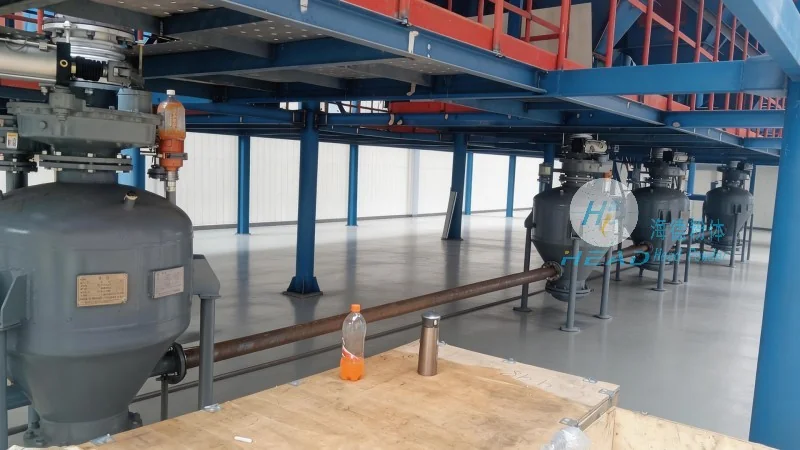
Introduction to Pneumatic Conveying Systems for Limestone and Gypsum Powders
Pneumatic conveying systems are widely used in the chemical, cement, and construction industries to transport dry powders like limestone and gypsum efficiently and safely. These systems utilize air or gas to move materials through a pipeline, eliminating the need for mechanical components such as belts or buckets. The HeadPowder pneumatic conveying line for limestone and gypsum powders is engineered to handle various particle sizes and flow rates, ensuring reliable and consistent material transfer in industrial settings.
Core Components and Their Functions in the Conveying Line
The pneumatic conveying line consists of several critical components that work in tandem to achieve efficient material transport. These include the material hopper, air compressor, conveyor pipeline, dust collector, and control system. The material hopper stores the limestone or gypsum powder and feeds it into the system. The air compressor generates the necessary air pressure to move the material through the pipeline. The conveyor pipeline, typically made of stainless steel or other corrosion-resistant materials, transports the powder from the hopper to the discharge point. The dust collector captures any airborne particles, ensuring compliance with environmental regulations and maintaining a clean working environment. The control system monitors and regulates the flow of material and air, optimizing the conveying process.
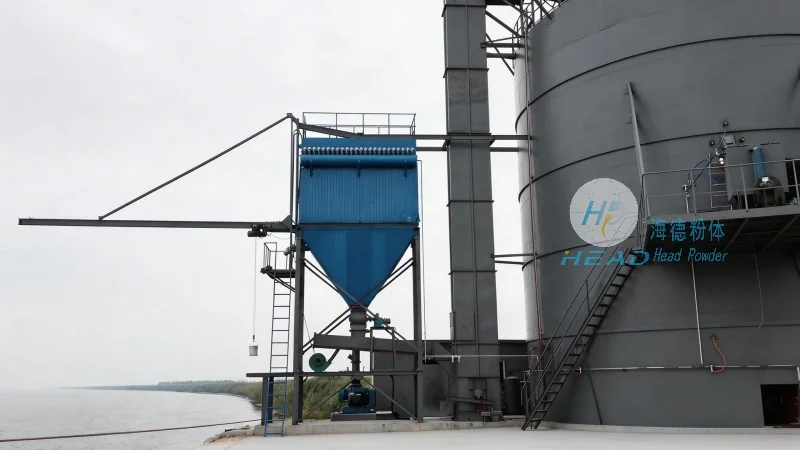
The Operational Process of the Pneumatic Conveying Line
The operation of the HeadPowder pneumatic conveying line for limestone and gypsum powders involves a series of steps that ensure smooth and continuous material transfer. First, the material is loaded into the hopper. The control system then activates the air compressor, which generates the required air pressure. The air is introduced into the conveyor pipeline, creating a flow that draws the powder from the hopper and moves it along the pipeline. As the powder travels through the system, it is transported to the discharge point, where it is collected in a storage bin or directly to the processing equipment. The dust collector continuously captures any particles that escape, preventing contamination and maintaining air quality. The entire process is automated, with the control system adjusting the air pressure and flow rate as needed to maintain optimal conveying conditions.
Working Principle: How the System Transfers Materials
The working principle of the pneumatic conveying line is based on the principle of fluidization and pneumatic transport. When air is introduced into the conveyor pipeline at a high velocity, it creates a fluidized bed of powder, allowing the material to move through the system as a slurry. The air pressure and velocity are carefully controlled to ensure that the powder particles are suspended and transported without causing blockages or damage to the pipeline. The system operates under positive pressure, meaning that the air pressure is higher than the ambient pressure, which helps to prevent dust leakage and maintain a sealed environment. This principle allows for efficient and reliable transport of limestone and gypsum powders over long distances and varying elevations.
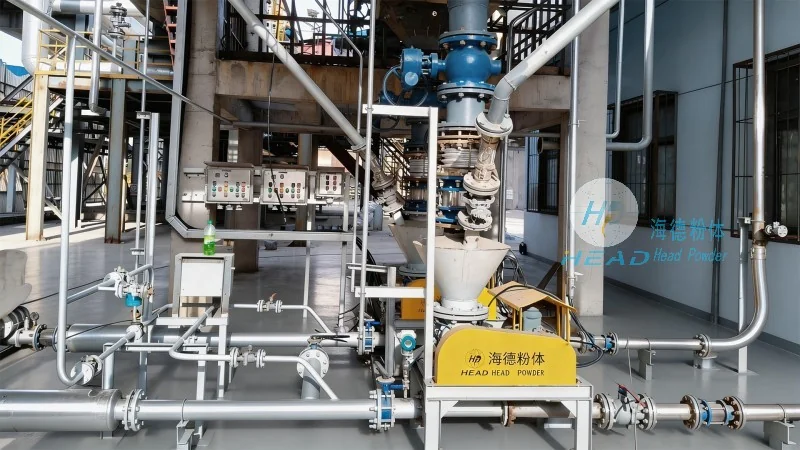
Key Advantages and Applications of the System
The HeadPowder pneumatic conveying line for limestone and gypsum powders offers several advantages over traditional mechanical conveying systems. These include reduced maintenance costs, as there are fewer moving parts, and improved safety, as the system is enclosed and prevents dust exposure. The system is also highly flexible, allowing for easy integration with existing processing equipment and customization to meet specific application requirements. The system is widely used in applications such as cement production, gypsum board manufacturing, and chemical processing, where reliable and efficient transport of dry powders is critical.
Technical Specifications and Customization Options
HeadPowder offers a range of technical specifications and customization options for their pneumatic conveying lines to suit various industrial needs. The system can be designed to handle different particle sizes, from fine powders to larger granules, and can accommodate varying flow rates from low to high. The conveyor pipeline can be configured in different configurations, such as straight, curved, or vertical, to meet the specific layout requirements of the facility. The air compressor and control system can be customized to match the power requirements and operational conditions of the application. Additionally, the system can be equipped with advanced features such as real-time monitoring, data logging, and remote control, enhancing its functionality and ease of use.