

Principle and Working Scene Characteristics of Magnesium Oxide Powder Handling Equipment
Understanding the operation and application of magnesium oxide powder handling equipment is crucial for industries that rely on efficient material transport. This article explores the fundamental principles behind such equipment and highlights key characteristics of its working environments, providing insights into how these systems enhance productivity and safety in material handling processes.
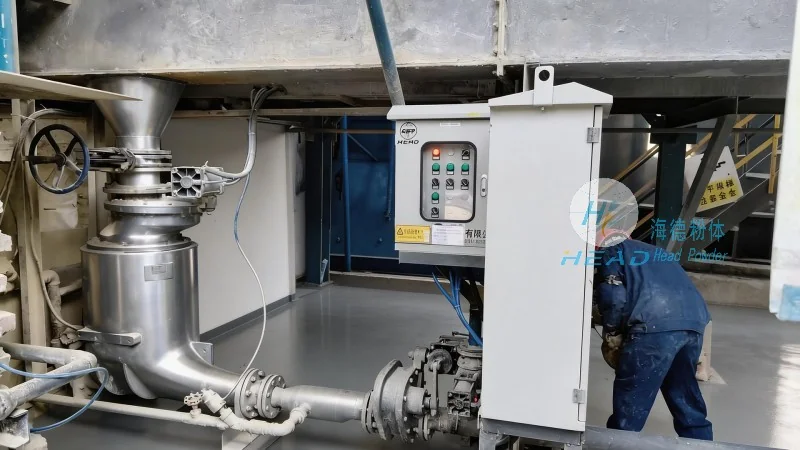
Introduction to Magnesium Oxide Powder Handling Equipment
Magnesium oxide (MgO), commonly known as magnesia, is a widely used industrial material with applications ranging from refractory materials to pharmaceuticals and environmental treatments. The efficient transport of MgO powder is essential for maintaining consistent quality and minimizing operational disruptions. Headpowder, a leading manufacturer based in Shandong, China, specializes in designing and supplying advanced powder handling solutions tailored to the unique challenges of MgO material handling.
The Core Principle of Powder Handling Systems
At the heart of magnesium oxide powder handling equipment lies a combination of mechanical and pneumatic principles designed to move dry powders safely and reliably. These systems typically incorporate components such as hoppers, feeders, conveyors, and dust collection units, all working in tandem to ensure smooth material flow. The primary goal is to prevent issues like caking, bridging, or segregation, which can compromise material integrity and system performance. Advanced designs often incorporate vibration mechanisms or air-assisted flow to maintain consistent particle movement, ensuring that the powder remains in a free-flowing state throughout the handling process.
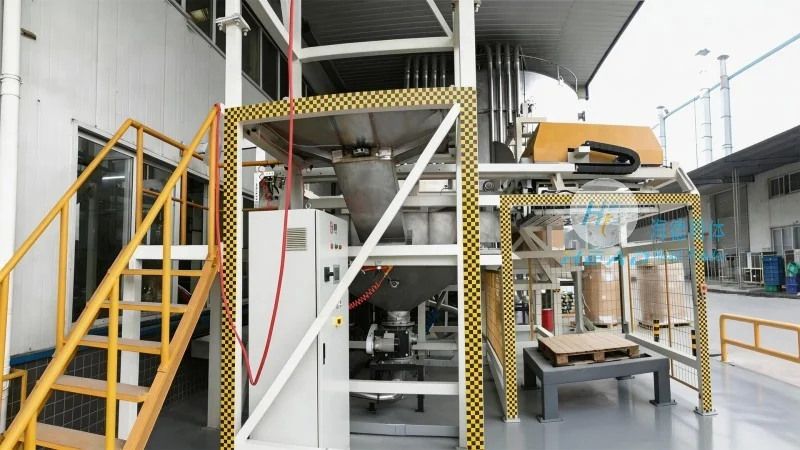
Key Working Scene Characteristics
The working environment for magnesium oxide powder handling equipment varies significantly based on the industry and application. For instance, in the refractory industry, where large quantities of MgO are used in furnace linings, the equipment must handle high volumes of material with minimal downtime. In contrast, pharmaceutical applications require stricter contamination control and precise dosing, necessitating equipment with high cleanliness standards and precise control mechanisms. Environmental factors, such as temperature and humidity, also play a role, as MgO can absorb moisture, affecting its handling properties. The equipment must be designed to mitigate these effects, ensuring stable operation under varying conditions.
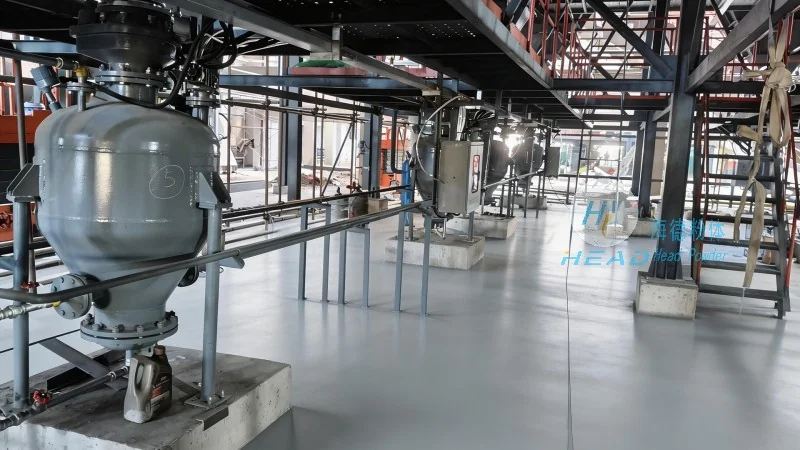
Application-Specific Equipment Design
Headpowder’s equipment is engineered to address the diverse needs of MgO handling across different sectors. For example, in the chemical industry, where MgO is used as a filler or catalyst, the system may include specialized feeding mechanisms to ensure uniform distribution. In the construction sector, where MgO is used in building materials, the equipment may feature robust construction to withstand heavy usage and potential abrasion from the material. The design considerations also include safety features, such as explosion-proof components and dust suppression systems, to protect operators and the environment. Each application requires a tailored approach, ensuring that the equipment not only meets functional requirements but also enhances overall operational efficiency.
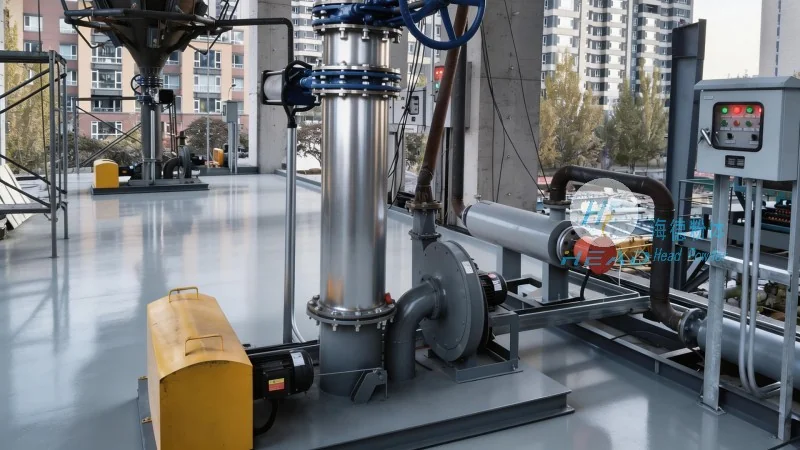
Operational Efficiency and Maintenance
Efficient operation of magnesium oxide powder handling equipment is closely tied to regular maintenance and proper system integration. Regular cleaning of hoppers and conveyor components is essential to prevent material buildup and ensure consistent flow. The use of wear-resistant materials in critical parts, such as conveyor belts and hopper linings, extends the equipment's lifespan and reduces maintenance costs. Additionally, monitoring systems can be integrated to detect issues like blockages or uneven flow, allowing for timely intervention and minimizing production downtime. By prioritizing maintenance and system optimization, industries can maximize the performance of their MgO handling equipment and maintain high standards of material quality.
Conclusion
Magnesium oxide powder handling equipment, as exemplified by solutions from Shandong HeadPowder Engineering Co., Ltd., plays a vital role in ensuring efficient and safe material transport across various industries. By understanding the core principles and working scene characteristics, businesses can select and implement the most suitable equipment for their specific needs. The continuous advancements in powder handling technology, driven by manufacturers like Headpowder, contribute to improved operational efficiency and product quality, supporting the growth and sustainability of industries reliant on magnesium oxide.