

Principles and Operational Scenarios of Pharmaceutical Powder Pneumatic Conveying Equipment
Pharmaceutical powder pneumatic conveying equipment is a critical component in modern pharmaceutical manufacturing, designed to safely and efficiently transport powders such as active pharmaceutical ingredients (APIs), excipients, and other fine powders. This equipment operates on the principle of using air or gas to move particles through a pipeline system, ensuring precise control over flow rates, pressure, and particle handling. The technology is widely adopted in pharmaceutical facilities due to its ability to maintain product integrity, minimize contamination risks, and enhance operational efficiency.
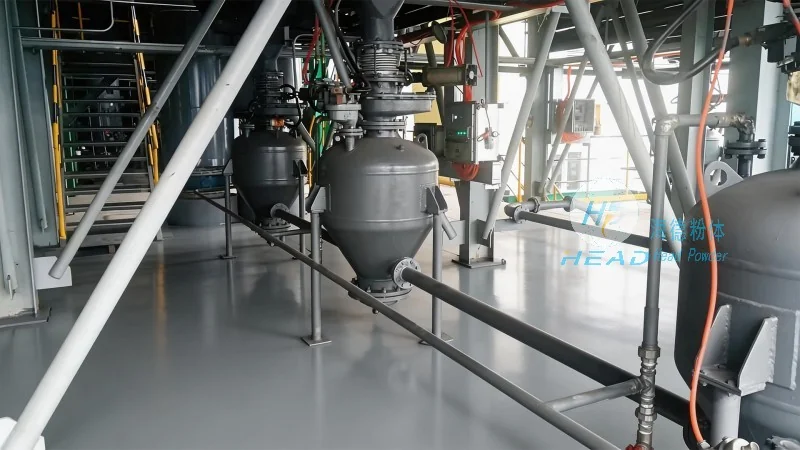
Company Overview: Shandong HeadPowder Engineering Co., Ltd.
HeadPowder, a leading manufacturer of pharmaceutical processing equipment, specializes in the design, development, and production of advanced pneumatic conveying systems tailored for the pharmaceutical industry. With a strong commitment to quality and compliance, HeadPowder has established itself as a trusted partner for pharmaceutical companies seeking reliable and efficient powder handling solutions. The company is headquartered in Shandong, China, and leverages decades of industry experience to deliver customized equipment that meets stringent regulatory requirements.
Principles of Pharmaceutical Powder Pneumatic Conveying
The core principle of pneumatic conveying involves the use of a fluid (typically air or a specific gas) to create a flow that transports solid particles through a closed pipeline. There are two primary modes of operation: dilute-phase and dense-phase conveying. Dilute-phase systems use low pressure and high air-to-powder ratios, suitable for short-distance transport and low-density powders. Dense-phase systems, on the other hand, operate at higher pressures and lower air-to-powder ratios, enabling the transport of high-value, sensitive powders over longer distances with minimal particle degradation. The choice of conveying mode depends on factors such as powder characteristics, distance, and desired product quality.

Key Operational Features and Benefits
Pharmaceutical powder pneumatic conveying equipment offers several advantages that make it indispensable in pharmaceutical manufacturing. Firstly, it provides a closed system, which is essential for maintaining product purity and preventing cross-contamination. This is particularly critical in environments where sterility and regulatory compliance are paramount. Secondly, the equipment allows for precise control over flow rates and pressure, ensuring consistent and uniform powder delivery to downstream processes. This control minimizes variations in product quality and reduces the risk of over or under-dosing. Additionally, pneumatic conveying systems are compact and flexible, allowing for easy integration into existing production lines and adaptation to changing production needs. The technology also reduces labor costs by automating the powder handling process, improving overall operational efficiency.
Typical Work Scenarios and Applications
The application of pharmaceutical powder pneumatic conveying equipment spans various stages of pharmaceutical production, from raw material handling to final product packaging. In the raw material stage, the equipment is used to transport raw powders from storage silos to processing units, ensuring a continuous and controlled supply of ingredients. During the manufacturing process, it facilitates the transfer of active pharmaceutical ingredients (APIs) and excipients between mixing, granulation, and tableting units. The equipment is also employed in the final packaging stage, where it transports finished powders into packaging machines or storage containers. Specific applications include the handling of fine powders like lactose, microcrystalline cellulose, and various APIs, as well as bulk powders used in solid dosage forms. The versatility of the system makes it suitable for both small-scale and large-scale pharmaceutical operations, catering to the diverse needs of the industry.
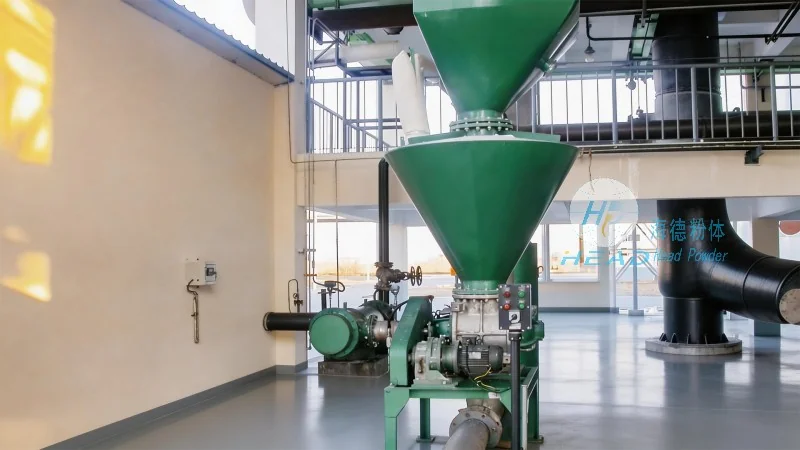
Design Considerations for Pharmaceutical Pneumatic Conveying Systems
When designing pharmaceutical powder pneumatic conveying systems, several factors must be carefully considered to ensure optimal performance and compliance with industry standards. Material selection is a critical aspect, as components must be constructed from materials that are non-reactive, easy to clean, and compatible with pharmaceutical powders. Common materials include stainless steel, which offers excellent corrosion resistance and hygienic properties. The system design must also account for the specific characteristics of the powder being handled, such as particle size, density, and flowability. For cohesive or sticky powders, specialized equipment like rotary valves and airlocks may be incorporated to prevent blockages and ensure smooth operation. Additionally, the system must be equipped with appropriate filtration and dust collection systems to prevent particle loss and maintain a clean environment. Regulatory compliance is another key consideration, as pharmaceutical facilities are subject to strict guidelines from agencies like the FDA and EMA. The design must incorporate features that facilitate cleaning and validation, ensuring that the equipment meets all required standards for product safety and quality.
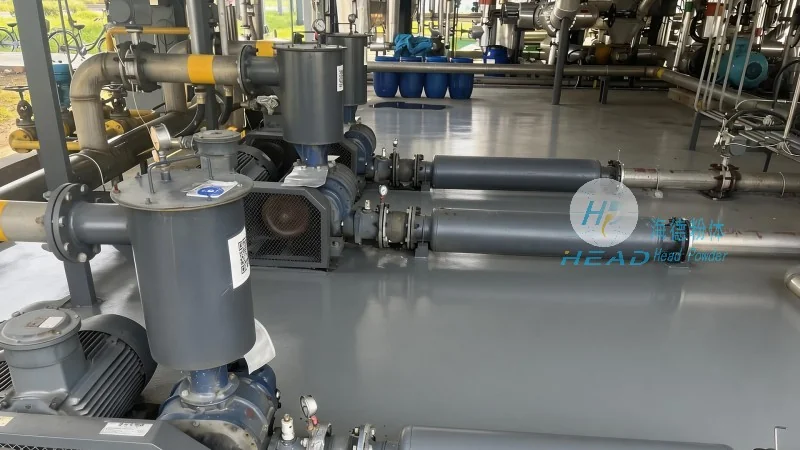
Maintenance and Operational Best Practices
Proper maintenance and operational practices are essential to maximize the lifespan and performance of pharmaceutical powder pneumatic conveying equipment. Regular cleaning and sanitization are crucial to prevent the buildup of powder residues, which can lead to contamination and equipment failure. The system should be cleaned according to established protocols, using appropriate cleaning agents and tools to ensure thorough removal of particles from all components, including pipelines, valves, and hoppers. Routine inspections should be conducted to check for wear and tear, such as leaks in the air system or damage to the pipeline, which can affect conveying efficiency. Lubrication of moving parts, such as bearings and seals, should be performed as per the manufacturer's recommendations to prevent premature failure. Monitoring of pressure and flow rates during operation is also important, as deviations may indicate issues with the system or the powder being handled. By adhering to these best practices, pharmaceutical companies can ensure the reliability and efficiency of their pneumatic conveying systems, maintaining product quality and operational continuity.
Conclusion: The Role of Advanced Pneumatic Conveying in Pharmaceutical Manufacturing
In conclusion, pharmaceutical powder pneumatic conveying equipment plays a vital role in modern pharmaceutical manufacturing by providing a safe, efficient, and reliable method for handling powders. The technology's ability to maintain product integrity, minimize contamination risks, and enhance operational efficiency makes it an indispensable tool for pharmaceutical companies. With its closed system design, precise control capabilities, and adaptability to various powder types, the equipment supports the entire production process from raw material handling to final product packaging. As the pharmaceutical industry continues to evolve and face increasing regulatory demands, the importance of advanced pneumatic conveying systems will only grow. Companies like Shandong HeadPowder Engineering Co., Ltd. are at the forefront of developing and delivering such solutions, helping pharmaceutical manufacturers meet their production goals while adhering to the highest standards of quality and safety.