HeadPowder, a professional manufacturer based in Shandong, China, specializes in the design, development, and production of advanced pneumatic conveying systems tailored for wood fiber applications. This article provides an overview of the equipment used in such systems, along with a detailed explanation of their structural principles and operational mechanisms.
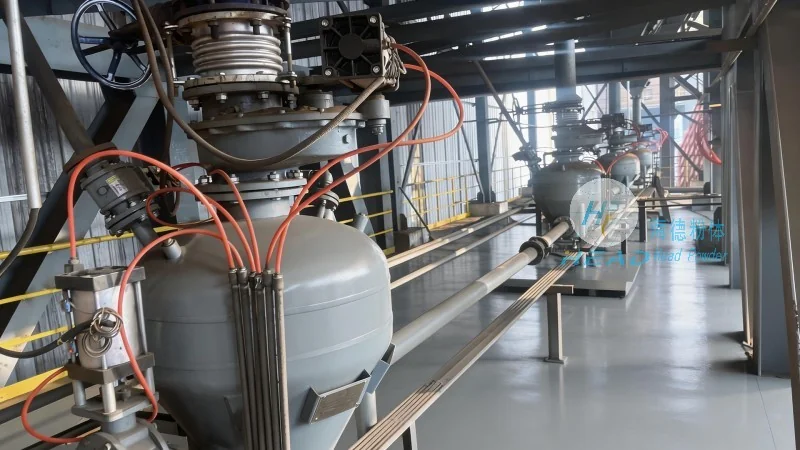
Company Profile and Location
HeadPowder Engineering Co., Ltd. is a leading enterprise in the field of industrial material handling solutions. The company is headquartered in Shandong, China, where it leverages local manufacturing capabilities and technical expertise to deliver high-quality pneumatic conveying systems. With a focus on innovation and customer satisfaction, HeadPowder has established itself as a trusted partner for businesses requiring efficient and reliable wood fiber transportation solutions.
Overview of Wood Fiber Pneumatic Conveying Systems
Pneumatic conveying systems are widely used in the wood processing industry to transport wood fibers, sawdust, and other fine materials from one location to another. These systems utilize air pressure or vacuum to move materials through a network of pipes, eliminating the need for mechanical components like belts or chains. The primary advantage of pneumatic conveying is its ability to handle delicate materials without causing damage, making it ideal for applications where material integrity is critical.
Key Components of the Wood Fiber Pneumatic Conveying System
The wood fiber pneumatic conveying system typically consists of several key components, each playing a crucial role in the overall operation. These components include the material feed hopper, the air supply unit (either a blower or a vacuum pump), the conveying pipes, and the discharge hopper. Each component is designed to work in harmony to ensure efficient and consistent material transport.
Material Feed Hopper
The material feed hopper is the initial component where wood fibers are introduced into the system. It is designed to store and feed the material into the conveying line at a controlled rate. The hopper often features a sloped bottom to facilitate smooth material flow and may include a rotary valve or a gate valve to regulate the feed rate. This component ensures that the material is introduced into the system in a uniform manner, preventing blockages and maintaining consistent air flow.
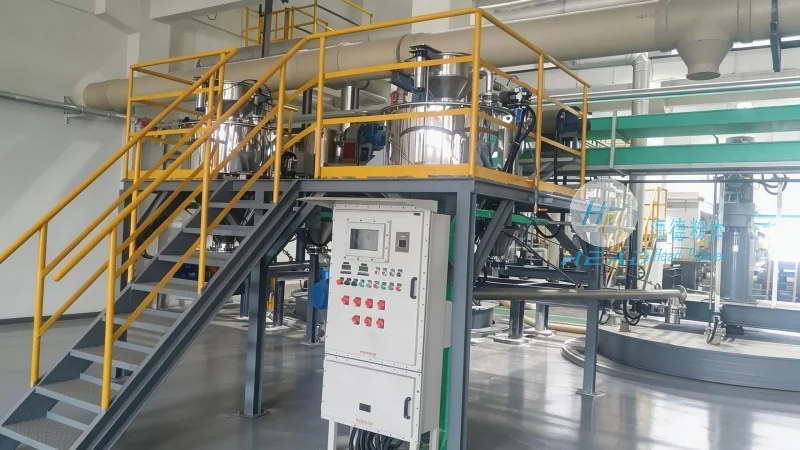
Air Supply Unit (Blower or Vacuum Pump)
The air supply unit is the heart of the pneumatic conveying system, responsible for generating the necessary air pressure or vacuum to move the wood fibers through the pipes. Blowers are commonly used for pressure systems, where air is forced into the system to push the material forward. Vacuum pumps, on the other hand, are used in suction systems, where air is drawn out of the system to pull the material. The choice between a blower and a vacuum pump depends on the specific application requirements, such as the distance and height of the material transport, as well as the material characteristics.
Conveying Pipes
The conveying pipes form the main pathway for the wood fibers, connecting the feed hopper to the discharge hopper. These pipes are typically made of stainless steel or other corrosion-resistant materials to withstand the abrasive nature of wood fibers and prevent material buildup. The pipe diameter and length are carefully selected based on the material flow rate, the distance to be covered, and the required air velocity. Proper pipe design is essential to minimize pressure drop and ensure efficient material transport.
Discharge Hopper
The discharge hopper is the final component where the wood fibers are collected after being conveyed through the system. It is designed to store the material before it is transferred to the next processing stage. The hopper may include a rotary valve or a gate valve to control the discharge rate, ensuring that the material is released at a controlled pace. This component helps maintain a stable pressure within the system and prevents material backflow.
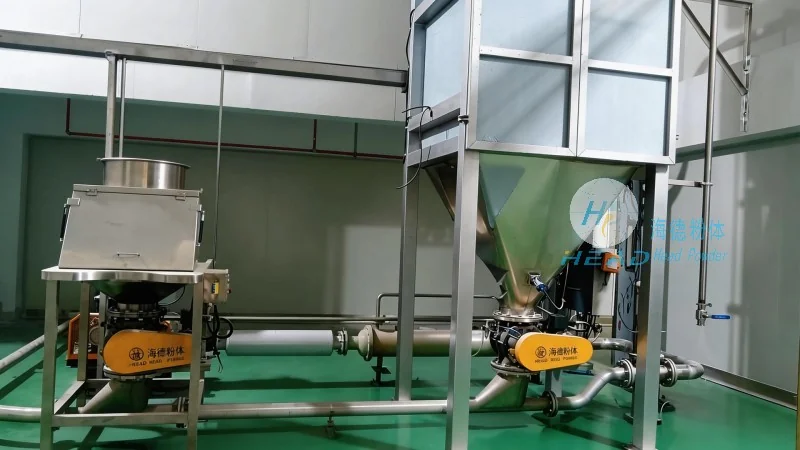
Structural Principles and Operational Mechanisms
The structural principles of the wood fiber pneumatic conveying system are based on the principles of fluid dynamics and material handling. The system operates by creating a pressure differential between the inlet and outlet of the conveying line. When the air supply unit generates pressure, it forces the wood fibers to move through the pipes, while the discharge hopper maintains a lower pressure to draw the material forward. The air velocity within the pipes is critical, as it must be high enough to keep the material suspended and prevent it from settling or clogging the pipes.
Advantages of Wood Fiber Pneumatic Conveying Systems
Wood fiber pneumatic conveying systems offer several advantages over traditional mechanical conveying methods. These include the ability to handle delicate materials without damage, reduced maintenance requirements due to the absence of moving parts, and the flexibility to transport materials over long distances and varying heights. Additionally, these systems can be integrated with other processing equipment, such as drying or sorting units, to form a complete material handling solution.
Applications in the Wood Processing Industry
The wood fiber pneumatic conveying systems manufactured by HeadPowder are widely used in various applications within the wood processing industry. These include the transport of wood chips, sawdust, and other fine particles from wood chippers and sawmills to storage silos or processing facilities. The systems are also used in the production of wood-based panels, such as particleboard and fiberboard, where consistent material feed is essential for quality control. Furthermore, these systems are suitable for applications in biomass energy production, where wood fibers are used as fuel for power generation.
Conclusion
In conclusion, the wood fiber pneumatic conveying system equipment offered by HeadPowder Engineering Co., Ltd. is a highly efficient and reliable solution for transporting wood fibers and other fine materials. The system's design, based on sound structural principles and advanced engineering, ensures optimal performance and minimal maintenance. With its headquarters in Shandong, China, HeadPowder continues to innovate and provide tailored solutions to meet the diverse needs of the wood processing industry.




