

What is a Rice Husk Pneumatic Conveying System? And What Are Its Design Principles?
HeadPowder, a leading engineering company based in Shandong, China, specializes in the design and implementation of advanced pneumatic conveying systems for various industrial applications. Among these, the rice husk pneumatic conveying system stands out as a critical solution for efficiently handling and transporting rice husk, a byproduct of rice processing. This article delves into the fundamental aspects of such systems, exploring their design principles and operational advantages.
Understanding the Rice Husk Pneumatic Conveying System
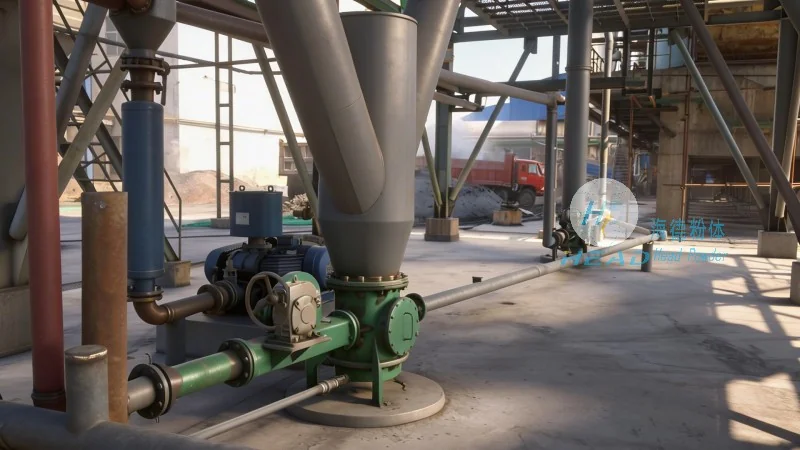
A pneumatic conveying system is a method of transporting bulk materials, such as rice husk, through a pipeline using air or other gases as the conveying medium. The rice husk pneumatic conveying system specifically addresses the unique challenges associated with handling this material, which is lightweight, abrasive, and prone to dust generation. The system typically consists of a hopper for material storage, a blower or compressor to generate the air flow, a pipeline network to guide the material, and a discharge point where the rice husk is deposited. This integrated approach ensures a seamless and efficient transfer of rice husk from the source to the destination, minimizing manual handling and associated risks.
Key Design Principles of the System
The design of a rice husk pneumatic conveying system is governed by several critical principles that ensure optimal performance and reliability. First, the system must be tailored to the specific characteristics of rice husk, including its density, particle size distribution, and moisture content. These factors influence the air velocity required to maintain the material in suspension and prevent blockages. Engineers at HeadPowder carefully analyze these parameters to determine the appropriate air flow rate and pressure levels, ensuring that the system operates within safe and efficient limits.
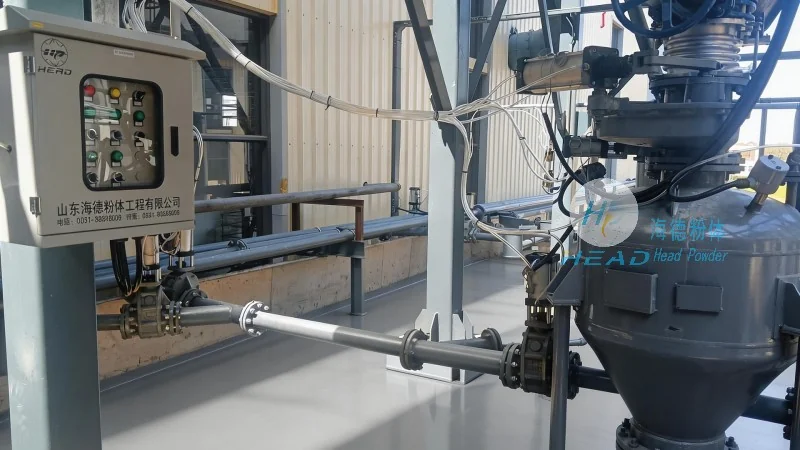
Second, the system incorporates a combination of positive and negative pressure zones to achieve effective conveying. Positive pressure systems, where air is forced through the pipeline, are commonly used for short to medium distances, while negative pressure systems, where air is drawn through the pipeline, are suitable for longer distances or when the material needs to be transported against gravity. The choice between these two depends on the layout of the facility and the distance between the source and the discharge point. HeadPowder’s engineers evaluate the site-specific conditions to select the most suitable pressure configuration, optimizing energy consumption and operational costs.
Third, the system’s design emphasizes material handling efficiency and equipment durability. The pipeline is constructed from materials resistant to abrasion and corrosion, such as stainless steel or high-density polyethylene, to withstand the abrasive nature of rice husk. Additionally, the system includes features like cyclones or filters to separate the rice husk from the air stream, preventing dust accumulation and ensuring compliance with environmental regulations. The blower or compressor is selected based on the required air volume and pressure, with options ranging from rotary lobe blowers to centrifugal compressors, depending on the system’s capacity and operational requirements.
HeadPowder: Your Trusted Partner in Pneumatic Conveying Solutions
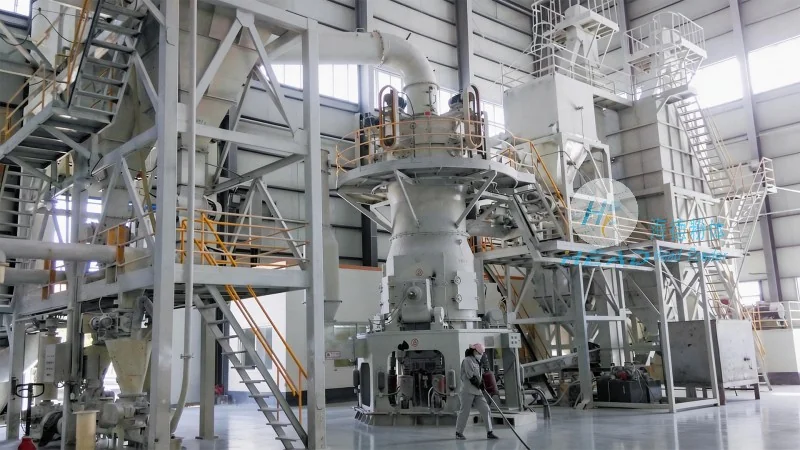
HeadPowder Engineering Co., Ltd., headquartered in Shandong, China, is a renowned manufacturer and supplier of advanced pneumatic conveying systems. With years of experience in the industry, the company has developed a reputation for delivering high-quality, customized solutions tailored to the unique needs of its clients. HeadPowder’s team of skilled engineers and technicians works closely with clients to understand their operational requirements, material characteristics, and site constraints, ensuring that the final system meets all performance and safety standards.
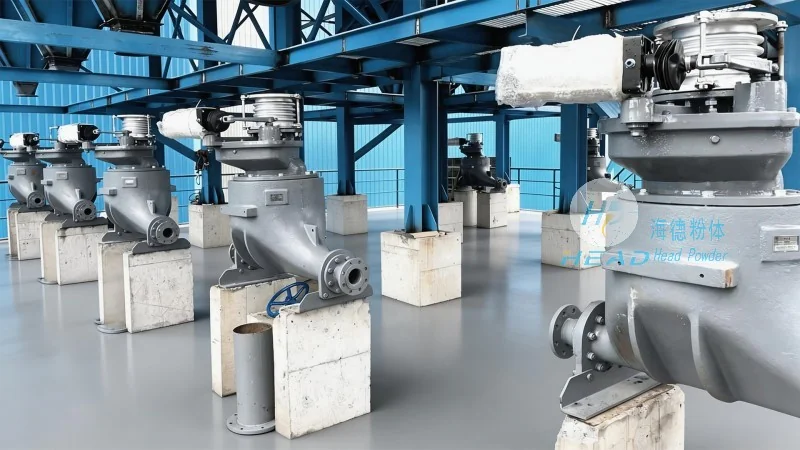
The company’s commitment to innovation and quality is evident in its state-of-the-art manufacturing facilities and rigorous quality control processes. Each rice husk pneumatic conveying system is designed, manufactured, and tested under strict standards to guarantee reliability and longevity. HeadPowder provides comprehensive after-sales support, including installation, commissioning, and maintenance services, to ensure that the system operates at peak efficiency throughout its service life. By choosing HeadPowder, clients can benefit from a reliable and efficient solution that enhances their production processes and reduces operational costs.
Conclusion: The Importance of an Efficient Rice Husk Pneumatic Conveying System
In conclusion, the rice husk pneumatic conveying system is a vital component in modern rice processing facilities, enabling the efficient and safe handling of rice husk. The design principles underlying such systems, including material-specific considerations, pressure configurations, and equipment durability, are crucial for ensuring optimal performance. HeadPowder Engineering Co., Ltd., with its expertise and commitment to quality, offers reliable solutions that meet the diverse needs of the industry. By investing in a well-designed pneumatic conveying system, rice processing plants can improve their operational efficiency, reduce labor costs, and enhance overall productivity.