

What is a Cement Dust Pneumatic Conveying System? What are its Design Principles?
For industrial applications involving the handling of cement dust, understanding the mechanics and design principles of a pneumatic conveying system is crucial. This article delves into the fundamental aspects of a cement dust pneumatic conveying system, exploring its operational principles, key components, and the underlying design considerations that ensure efficient material transport.
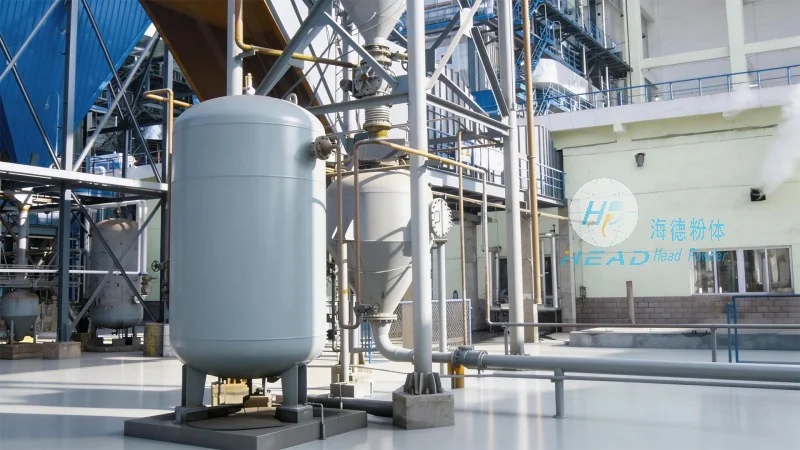
Introduction to Cement Dust Pneumatic Conveying Systems
A cement dust pneumatic conveying system is a technology used to transport dry bulk materials, such as cement powder, through a pipeline using compressed air or other gas. This method offers a flexible and efficient solution for moving materials over short to medium distances, often within industrial facilities like cement plants, construction sites, or manufacturing units. The system eliminates the need for mechanical components like belts or buckets, reducing maintenance and operational costs while providing a clean and dust-free transfer process.
Key Components of a Cement Dust Pneumatic Conveying System
The effectiveness of a cement dust pneumatic conveying system relies on several critical components that work in tandem to ensure smooth material transport. These components include:
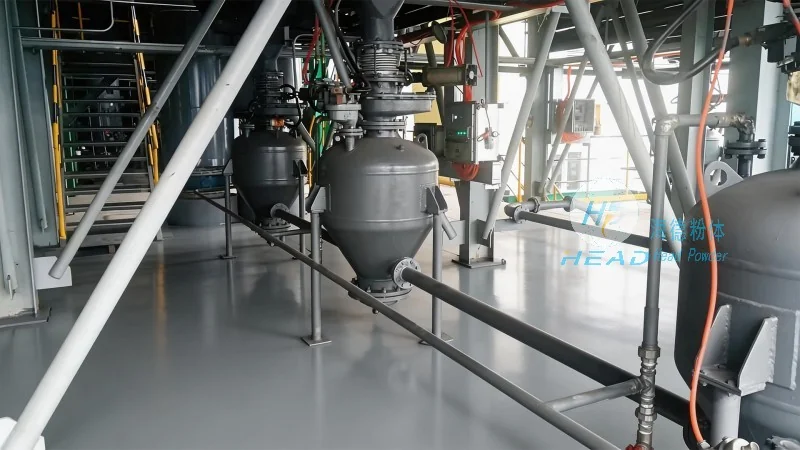
- Feeder: The feeder is responsible for feeding the cement dust into the conveying line at a controlled rate. It ensures a consistent flow of material, preventing blockages and maintaining system efficiency. Common types of feeders include rotary valves, screw feeders, or vibratory feeders, which are chosen based on the material's properties and the required flow rate.
- Pneumatic Conveying Line: This is the main pipeline through which the cement dust is transported. The line is typically made of materials like stainless steel or PVC, chosen for their resistance to corrosion and wear from the abrasive cement dust. The diameter and length of the line are carefully designed to accommodate the material's flow characteristics and minimize pressure losses.
- Compressor: The compressor generates the necessary pressure and airflow to move the cement dust through the pipeline. It can be a positive displacement compressor or a centrifugal compressor, depending on the system's requirements. The compressor's capacity is matched to the system's conveying rate and the material's specific gravity, ensuring sufficient air velocity to keep the material suspended and prevent settling.
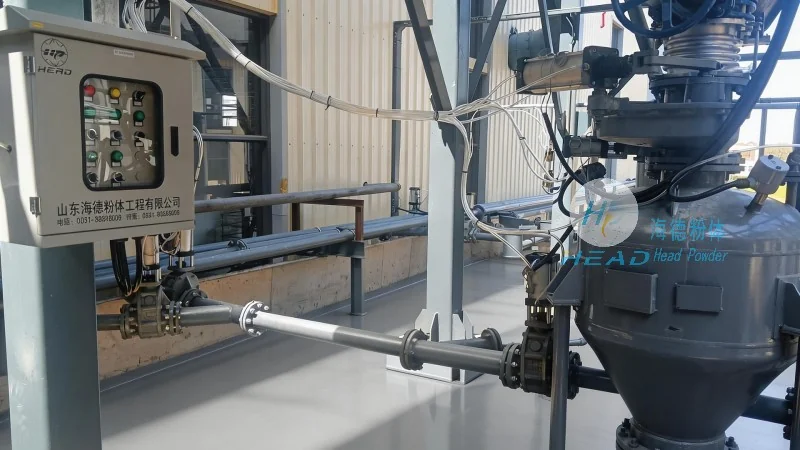
- Control Valves: Control valves, such as check valves or flow control valves, are used to regulate the air flow and pressure within the system. They help maintain system stability, prevent backflow, and adjust the conveying rate as needed. These valves are essential for optimizing the system's performance and preventing damage from excessive pressure or flow.
- Receiver: The receiver is the terminal point of the conveying line where the cement dust is deposited. It is designed to handle the material's discharge and often includes features like a hopper or a silo to store the material before it is used. The receiver's design ensures that the material is discharged smoothly and without creating dust or blockages.
Design Principles for Cement Dust Pneumatic Conveying Systems
The design of a cement dust pneumatic conveying system is based on several key principles that ensure efficient and reliable operation. These principles include:
Air Velocity and Material Suspension: A critical design principle is maintaining an appropriate air velocity within the conveying line. The air velocity must be high enough to keep the cement dust particles suspended and prevent them from settling or clogging the pipeline. The required air velocity is determined by the material's properties, such as its particle size, density, and moisture content. For cement dust, a typical air velocity ranges from 20 to 30 meters per second, depending on the system's configuration.
Pressure Drop and Energy Efficiency: The pressure drop across the conveying line is a key factor in determining the system's energy consumption. The design aims to minimize pressure losses by optimizing the line diameter, length, and bends. The use of smooth pipe surfaces and minimal fittings reduces friction and energy waste, making the system more efficient. Proper sizing of the compressor and control valves also contributes to energy savings by ensuring the system operates at its optimal pressure and flow rate.
Material Flow and System Capacity: The system's capacity is determined by the feeder's output and the compressor's airflow. The design must ensure that the material flow rate matches the system's conveying capacity to avoid overloading or underutilization. The use of variable speed feeders and adjustable control valves allows for flexible operation, enabling the system to handle varying material loads and production demands.
System Safety and Maintenance: Safety is a paramount consideration in the design of cement dust pneumatic conveying systems. The system includes features like pressure relief valves, dust filters, and explosion-proof components to prevent accidents and ensure safe operation. Regular maintenance is also a key design principle, as the system's components require periodic inspection and cleaning to maintain performance and longevity. The use of durable materials and robust construction helps minimize maintenance requirements and extend the system's service life.
Applications and Benefits of Cement Dust Pneumatic Conveying Systems
Cement dust pneumatic conveying systems are widely used in various industrial applications due to their versatility and efficiency. Some common applications include:
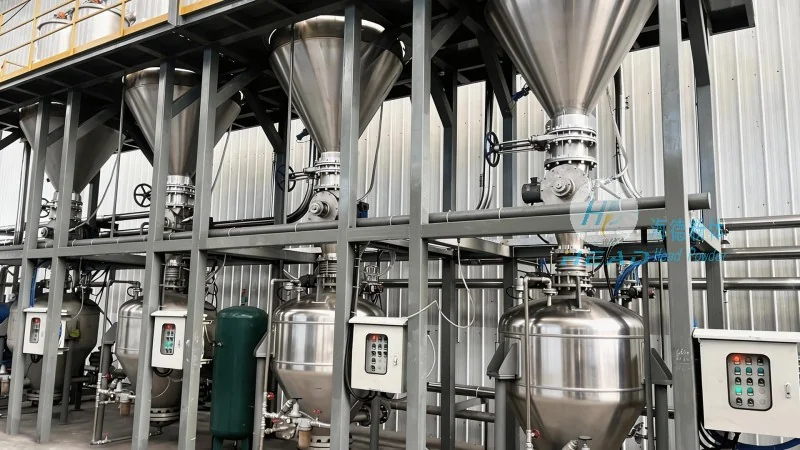
- Cement Production: In cement plants, these systems are used to transport raw materials like limestone, clay, and iron ore to the grinding mills and to move finished cement products from storage silos to packaging facilities.
- Construction and Building Materials: The systems are employed in construction sites to transport cement, sand, and other dry bulk materials to job sites, improving material handling efficiency and reducing manual labor.
- Manufacturing and Processing: In manufacturing facilities, cement dust pneumatic conveying systems are used to transport materials like powders, granules, and pellets between processing units, ensuring a continuous and clean production process.
The benefits of using a cement dust pneumatic conveying system include:
- Efficiency and Cost Savings: The system reduces material handling time and labor costs by automating the transport process. It also minimizes material loss and waste, improving overall operational efficiency.
- Clean and Dust-Free Operation: Unlike mechanical systems, pneumatic conveying systems do not generate dust or require frequent cleaning, maintaining a cleaner and safer working environment.
- Flexibility and Scalability: The system can be easily expanded or modified to accommodate changing production needs, making it a versatile solution for growing industrial operations.
- Reduced Maintenance: With fewer mechanical components, the system requires less maintenance, reducing downtime and operational costs.
Conclusion
A cement dust pneumatic conveying system is a sophisticated and efficient technology for transporting dry bulk materials like cement powder. Its design is based on fundamental principles of air velocity, pressure drop, and material flow, ensuring reliable and cost-effective operation. By understanding these principles and components, industrial facilities can optimize their material handling processes and improve overall productivity. As a leading provider in the field, Shandong HeadPowder Engineering Co., Ltd. specializes in designing and manufacturing high-quality pneumatic conveying systems tailored to the specific needs of cement and other industrial applications.