

What is a Magnesium Oxide Powder Pneumatic Conveying System? And What Are Its Design Principles?
The magnesium oxide powder pneumatic conveying system is a sophisticated industrial technology designed to transport fine powders, such as magnesium oxide, with precision and efficiency. This system is particularly vital in industries where handling powders is a core operation, as it minimizes dust generation, reduces material loss, and ensures a safe working environment. Developed by Shandong HeadPowder Engineering Co., Ltd., a leading enterprise in powder handling solutions, the system integrates advanced engineering principles to meet the demands of modern manufacturing processes. The company, known by the brand name headpowder, specializes in creating customized pneumatic conveying systems that address the unique challenges of transporting materials like magnesium oxide.
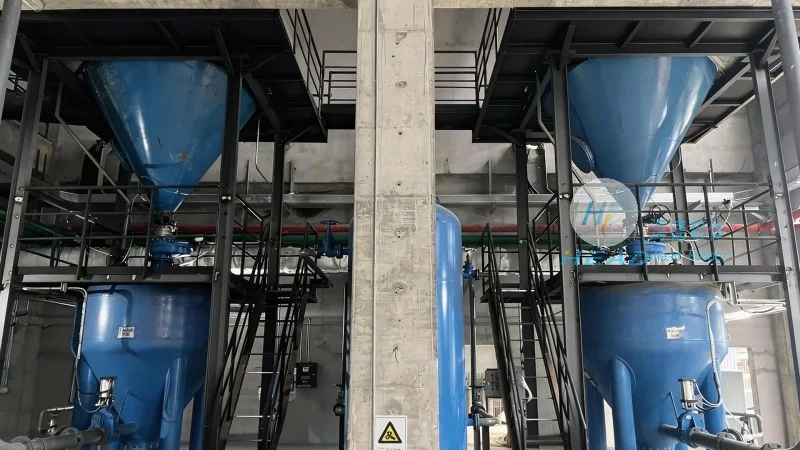
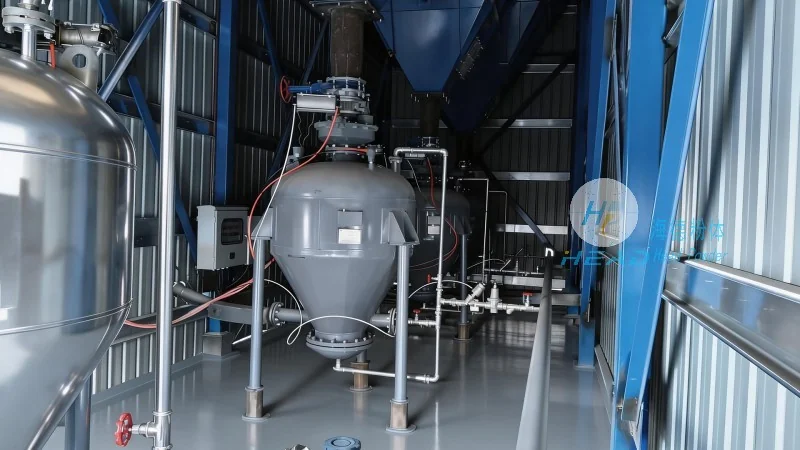
Key Components and Their Functions
The magnesium oxide powder pneumatic conveying system consists of several essential components, each playing a critical role in the overall operation. The primary components include the material hopper, which stores the magnesium oxide powder and feeds it into the system; the air compressor or blower, which generates the necessary airflow to move the powder; the conveying line, typically made of flexible or rigid tubing, which transports the powder-air mixture; and the control system, which regulates the pressure and flow rate to maintain optimal performance. Additionally, the system may include accessories like filters, cyclones, and dust collectors to ensure clean and efficient operation. Each component is carefully selected based on the properties of magnesium oxide, such as its fine particle size (often in the micrometer range) and potential for static charge buildup, to prevent issues like clogging or material degradation.
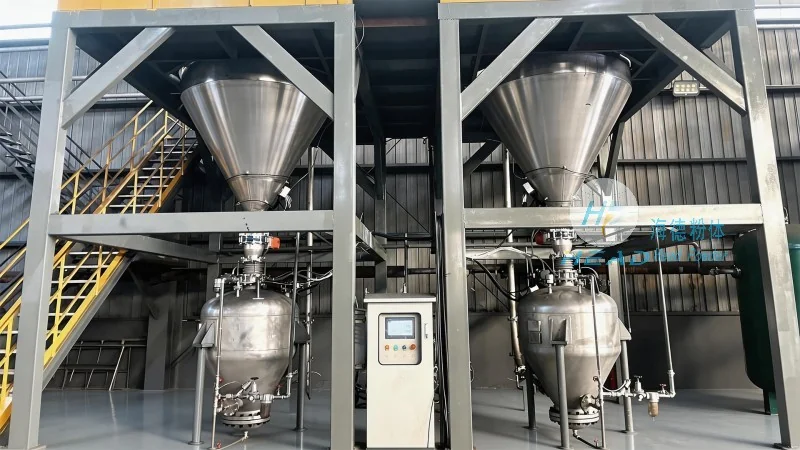
The Working Principle of Pneumatic Conveying
The operation of the magnesium oxide powder pneumatic conveying system follows a systematic process that leverages the principles of fluid dynamics. Initially, the magnesium oxide powder is discharged from the hopper into the conveying line. Simultaneously, the air compressor produces a high-pressure airflow that enters the line. As the air flows through the line, it entrains the powder particles, creating a slurry-like mixture known as a "pneumatic stream." This stream travels through the conveying line to the destination point, such as a storage silo or processing equipment. At the receiving end, a separator or cyclone separates the powder from the air, allowing the powder to be deposited while the air is either recirculated or vented. This separation process is crucial for maintaining the purity of the powder and preventing contamination. The entire process is controlled by the system's control unit, which adjusts the air pressure and flow rate based on real-time conditions to ensure consistent and reliable conveying.
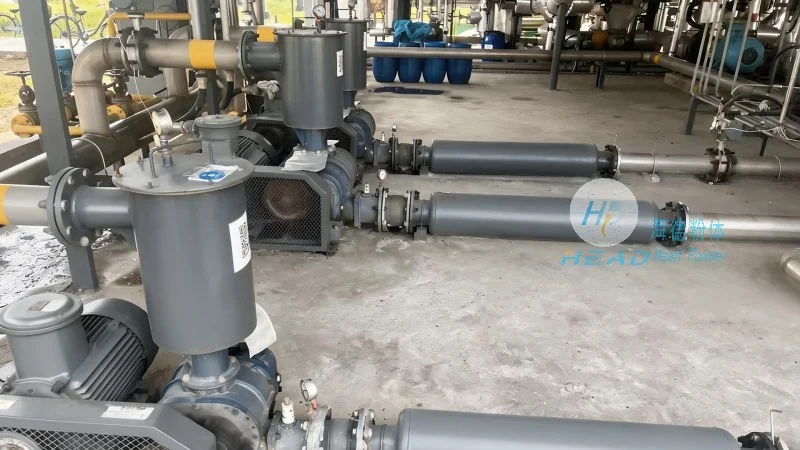
Design Principles and Engineering Considerations
The design of the magnesium oxide powder pneumatic conveying system is guided by several key principles to ensure its effectiveness and reliability. First, the system must account for the physical properties of magnesium oxide, including its particle size distribution, density, and flowability. These characteristics determine the optimal air velocity and pressure required for efficient conveying. For example, finer particles may require higher air velocities to prevent clogging, while larger particles may need lower velocities to avoid excessive wear on the conveying line. Second, the system incorporates measures to mitigate dust and static issues, which are common with fine powders. This includes using anti-static materials in the hopper and conveying line, as well as proper grounding to prevent static discharge that could lead to explosions or material loss. Third, the system is engineered for scalability, allowing it to handle varying volumes of powder while maintaining consistent performance. This flexibility is achieved through modular design, where components can be added or modified to accommodate changes in production needs. Fourth, energy efficiency is a critical design consideration, as the system aims to use the minimum necessary air pressure to achieve the desired conveying rate, reducing operational costs and environmental impact.