

What is a Coal and Sand Pneumatic Conveying System? What Are Its Design Principles?
Coal and sand pneumatic conveying systems represent a critical technology in material handling, particularly for transporting bulk materials like coal and sand. These systems utilize air pressure or vacuum to move particulate materials through a pipeline network, offering advantages such as reduced labor costs, improved safety, and enhanced process efficiency compared to traditional methods like belt conveyors or bucket elevators.
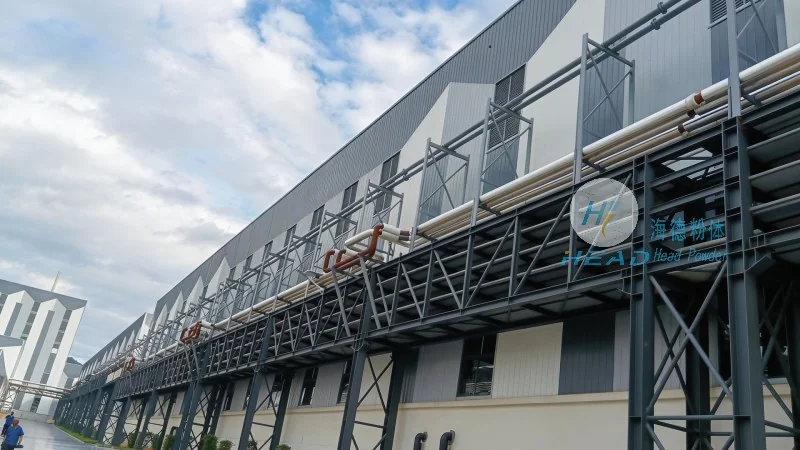
Introduction to Coal and Sand Pneumatic Conveying Systems
A pneumatic conveying system for coal and sand operates by generating a flow of air within a closed pipeline system. The material is introduced into the system, typically at the inlet, where it is mixed with the air stream. As the air flows through the pipeline, it carries the coal and sand particles to the discharge point. The design of these systems must account for the specific properties of the material being conveyed, including particle size, density, and moisture content, as well as the required conveying distance and throughput capacity.
Key Components of a Coal and Sand Pneumatic Conveying System
The core components of a coal and sand pneumatic conveying system include the material feeder, air supply unit (such as a blower or compressor), pipeline network, and discharge equipment. The material feeder ensures a consistent flow of coal and sand into the system, while the air supply unit provides the necessary pressure or vacuum to move the material. The pipeline network, often made of metal or plastic, forms the path for material transport. Discharge equipment, such as a rotary valve or dust collector, controls the release of the material at the destination point. Each component plays a vital role in ensuring the system operates efficiently and reliably.
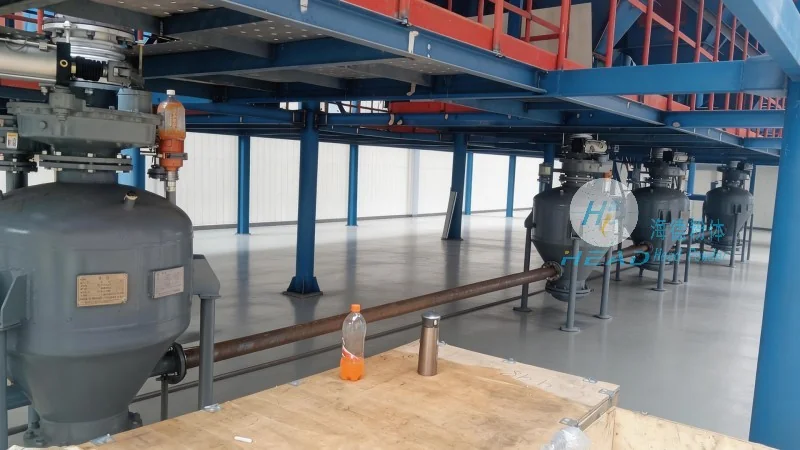
Design Principles for Coal and Sand Pneumatic Conveying Systems
The design of a coal and sand pneumatic conveying system involves several key principles to ensure optimal performance. First, the system must be sized to handle the required throughput, which is determined by the material's bulk density and the desired conveying speed. Second, the air velocity within the pipeline must be sufficient to keep the particles suspended and prevent settling or blockages. This typically requires maintaining an air velocity above the minimum conveying velocity for the specific material. Third, the system must consider the effects of material properties, such as moisture content, which can affect the air flow and require additional equipment like moisture separators or humidifiers. Fourth, the design must incorporate safety features, including pressure relief valves and explosion-proof components, to protect against potential hazards in industrial environments.
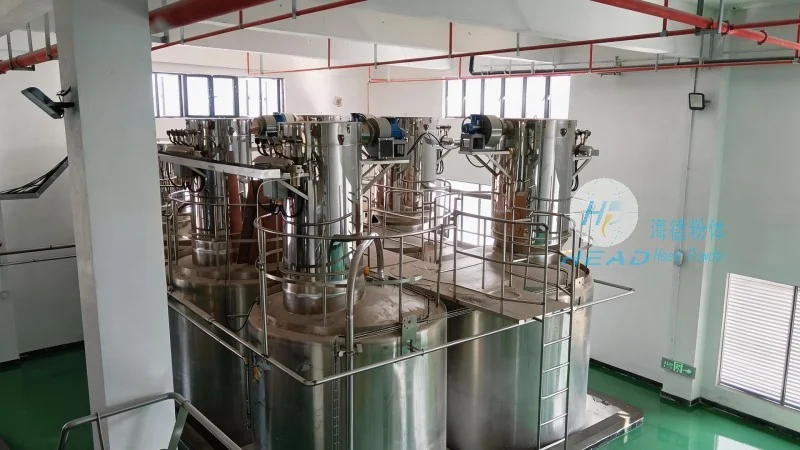
Advantages of Using Coal and Sand Pneumatic Conveying Systems
Coal and sand pneumatic conveying systems offer several advantages over traditional material handling methods. One of the primary benefits is the ability to transport materials over long distances without the need for multiple transfer points or complex infrastructure. This reduces installation costs and maintenance requirements. Additionally, these systems are more hygienic and cleaner than other methods, as they minimize dust and contamination, which is particularly important in food processing or pharmaceutical industries. Another advantage is the flexibility of the system, as it can be easily reconfigured or expanded to accommodate changes in production needs. The systems also provide better control over the material flow, allowing for precise regulation of the discharge rate and preventing overloading or underloading of downstream equipment.
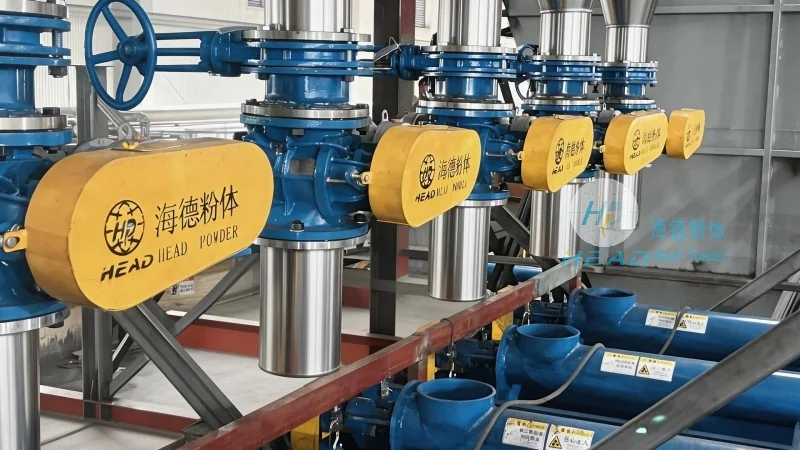
Applications of Coal and Sand Pneumatic Conveying Systems
Coal and sand pneumatic conveying systems are widely used in various industries, including mining, construction, and power generation. In the mining industry, these systems are used to transport coal from mines to processing facilities or storage areas. In construction, they are employed to move sand and other aggregates from storage sites to construction sites. In power generation, they are used to convey coal to boilers for fuel. The versatility of these systems makes them suitable for a wide range of applications, from small-scale operations to large industrial plants.
Conclusion and Company Overview
Coal and sand pneumatic conveying systems are essential equipment for efficient material handling in industrial settings. The design principles and components of these systems are carefully engineered to ensure reliable and efficient operation. As a leading provider in the field, Shandong HeadPowder Engineering Co., Ltd. specializes in the design, manufacturing, and installation of high-quality pneumatic conveying systems tailored to the specific needs of clients. With a focus on innovation and customer satisfaction, HeadPowder delivers solutions that enhance productivity and safety in material handling processes. Based in Shandong, China, the company leverages its expertise and experience to provide comprehensive services, including system design, equipment supply, and after-sales support, ensuring that clients receive the best possible solutions for their material handling challenges.