

Principle of Light-Weight Micropowder Pneumatic Conveying System
Light-weight micropowder pneumatic conveying systems represent a sophisticated solution for the efficient and reliable transport of fine powders. These systems are engineered to handle materials with low bulk density and high fineness, making them ideal for industries such as pharmaceuticals, food processing, and chemical manufacturing. The core principle of operation involves using a fluid (typically air or gas) to create a flow that propels the powder particles through a pipeline network. This method offers significant advantages over traditional mechanical conveying methods, including reduced equipment wear, lower maintenance costs, and enhanced safety by eliminating the need for moving parts in contact with the material.
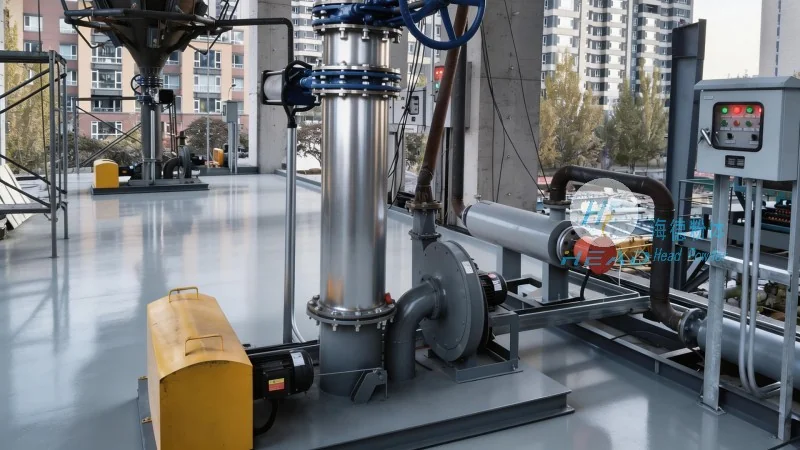
System Components and Operational Mechanism
The light-weight micropowder pneumatic conveying system comprises several key components that work in concert to achieve effective material transport. The primary elements include a feeding device, a conveying pipeline, a pressure or vacuum source, and a separation or collection unit. The feeding device, often a rotary valve or a hopper with a metering mechanism, ensures a controlled and consistent feed of the micropowder into the system. The conveying pipeline, typically made of stainless steel or other corrosion-resistant materials, is designed to withstand the pressure and flow conditions while minimizing particle degradation. The pressure or vacuum source, such as a blower or a vacuum pump, generates the necessary airflow to move the powder particles. The separation unit, which may include cyclones or filters, separates the conveyed powder from the air stream, allowing for the collection of the material at the destination point.
Working Principle: How the System Transports Micropowder
The operation of the light-weight micropowder pneumatic conveying system is based on the principle of fluidization and suspension. When the air is introduced into the conveying pipeline at a sufficient velocity, it creates a turbulent flow that suspends the micropowder particles in the air stream. This suspension allows the particles to be transported through the pipeline without settling or clogging. The velocity of the air is critical; it must be high enough to keep the particles airborne but not so high as to cause excessive wear on the system components or degrade the powder quality. The system can operate in either pressure or vacuum mode. In pressure mode, air is blown into the pipeline from the discharge end, pushing the powder forward. In vacuum mode, a vacuum is created at the discharge end, pulling the powder from the feed point. The choice between pressure and vacuum depends on the specific application, including the distance of transport, the height of elevation, and the characteristics of the powder being conveyed.
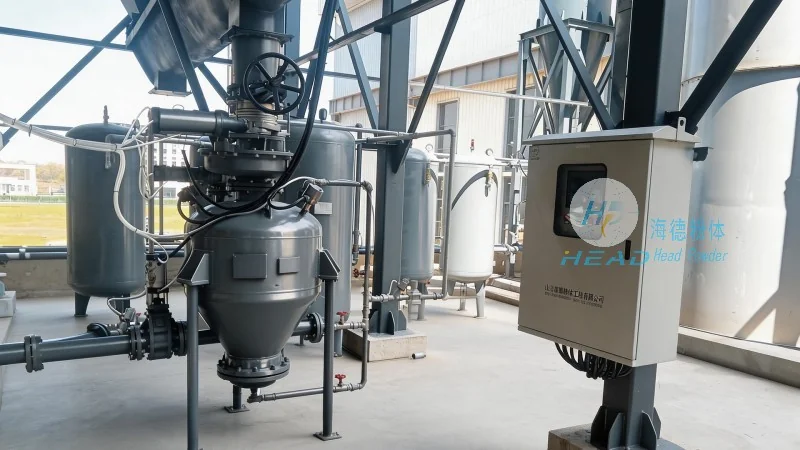
Advantages of Light-Weight Micropowder Pneumatic Conveying Systems
One of the most significant advantages of light-weight micropowder pneumatic conveying systems is their ability to handle materials that are difficult to transport using traditional methods. For instance, materials with low bulk density, such as certain pharmaceutical powders or food additives, can be efficiently conveyed without the need for large, heavy equipment. The system also offers improved product quality by minimizing exposure to contaminants and reducing the risk of particle agglomeration. Additionally, the absence of moving parts in direct contact with the powder reduces the risk of contamination and cross-contamination, which is particularly important in industries like pharmaceuticals and food processing. Maintenance costs are also lower compared to mechanical conveying systems, as there are fewer components that require regular replacement or servicing. The system's compact design allows for easy integration into existing production lines, and its flexibility enables adaptation to various conveying requirements.
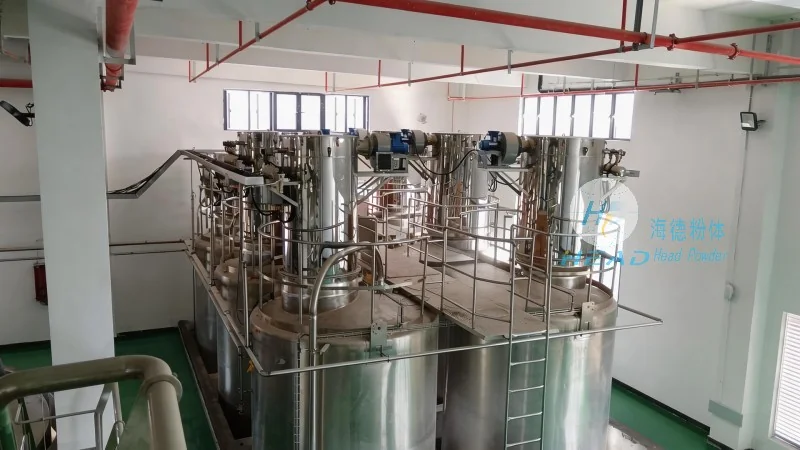
Applications in Different Industries
Light-weight micropowder pneumatic conveying systems find extensive applications across various industries due to their versatility and efficiency. In the pharmaceutical industry, these systems are used to transport active pharmaceutical ingredients (APIs) and excipients, ensuring precise dosing and maintaining product purity. The food processing industry utilizes them for conveying powders like sugar, flour, and spices, maintaining hygiene standards and preventing contamination. In the chemical manufacturing sector, they handle fine chemicals and pigments, enabling safe and efficient transport while minimizing environmental impact. The system's ability to handle a wide range of particle sizes and densities makes it suitable for diverse applications, from small-scale laboratory operations to large-scale industrial production lines.
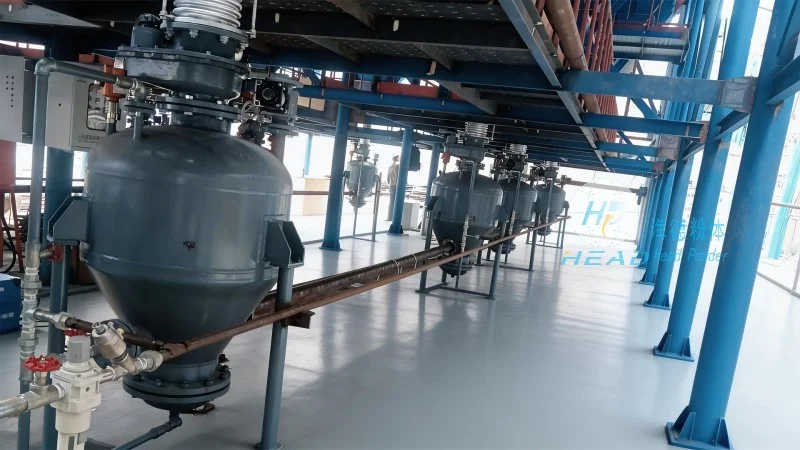
Company Overview: Shandong HeadPowder Engineering Co., Ltd.
Shandong HeadPowder Engineering Co., Ltd., commonly known as HeadPowder, is a leading provider of advanced pneumatic conveying solutions. With a focus on innovation and quality, the company specializes in designing and manufacturing light-weight micropowder pneumatic conveying systems tailored to the specific needs of its clients. HeadPowder's expertise lies in understanding the unique challenges of handling light-weight micropowders and developing systems that address these challenges effectively. The company's products are engineered to meet stringent industry standards, ensuring reliability, efficiency, and safety. HeadPowder's commitment to customer satisfaction and technological advancement has established it as a trusted partner in the field of material handling solutions.
Conclusion: The Future of Micropowder Conveying
Light-weight micropowder pneumatic conveying systems represent a significant advancement in material handling technology. By leveraging the principles of fluidization and suspension, these systems offer efficient, reliable, and safe transport of fine powders. As industries continue to demand higher standards of product quality and operational efficiency, the importance of such systems will only grow. With companies like Shandong HeadPowder Engineering Co., Ltd. leading the way in innovation, the future of micropowder conveying looks promising, with continued improvements in system performance, durability, and adaptability. The continued development of these systems will undoubtedly play a crucial role in enhancing productivity and maintaining competitiveness in various industries.