

Principles of Baryte Powder Pneumatic Conveying Systems
For industrial applications requiring the efficient and reliable transport of baryte powder, pneumatic conveying systems offer a sophisticated solution. This article explores the fundamental principles behind baryte powder pneumatic conveying systems, detailing the mechanisms, components, and operational considerations that ensure optimal performance in material handling processes.
Understanding Baryte Powder Characteristics
Baryte, or barium sulfate, is a heavy, dense mineral commonly used in various industries such as oil drilling, medical imaging, and chemical manufacturing. Its powder form, when handled, presents unique challenges due to its particle size, density, and flow properties. The pneumatic conveying system's design must account for these characteristics to prevent issues like clogging, segregation, and material degradation. By understanding the physical and chemical properties of baryte powder, engineers can tailor the system to meet specific operational demands, ensuring efficient and safe material transport.
Core Components of Pneumatic Conveying Systems
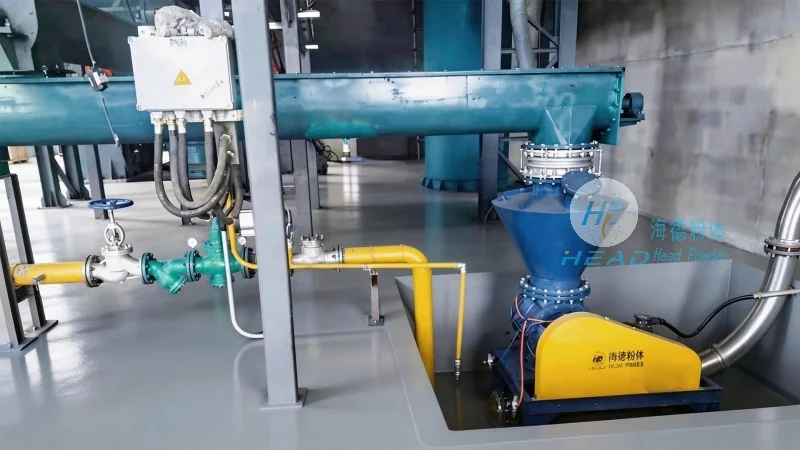
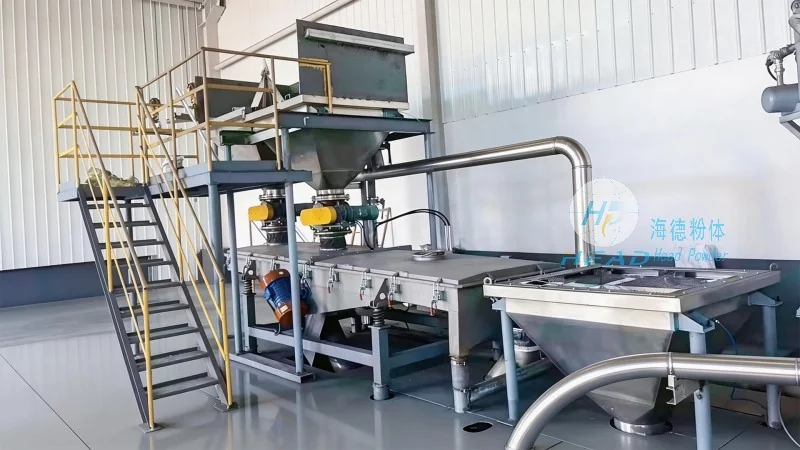
The baryte powder pneumatic conveying system comprises several key components that work in tandem to facilitate material transport. These include the material feed hopper, which holds the baryte powder and regulates its flow into the system; the air supply unit, which generates the necessary air pressure or vacuum to move the powder; the conveying line, typically made of metal or flexible tubing, that transports the powder-air mixture; and the discharge equipment, such as a receiver or cyclone separator, that separates the powder from the air at the destination point. Each component plays a critical role in maintaining system efficiency and preventing operational failures.
Types of Pneumatic Conveying Systems
There are two primary types of pneumatic conveying systems used for baryte powder: pressure and vacuum systems. Pressure systems operate by forcing air through the conveying line under positive pressure, typically using a positive displacement blower or a rotary lobe pump. This method is suitable for long-distance or high-volume transport and can handle abrasive materials like baryte powder effectively. Vacuum systems, on the other hand, create a negative pressure within the line, drawing the powder into the system using a vacuum pump. This approach is ideal for short-distance or low-volume applications and is often preferred for handling fine powders that are prone to dust generation. The choice between pressure and vacuum systems depends on factors such as the distance between the feed and discharge points, the required flow rate, and the material's properties.
Operational Principles and Flow Dynamics
The operation of a baryte powder pneumatic conveying system relies on the principles of fluid dynamics and particle motion. In a pressure system, the air is introduced at the feed end, creating a high-velocity flow that entrains the baryte powder particles. The particles are carried along the conveying line by the air stream, with the velocity of the air being sufficient to overcome the gravitational forces acting on the particles. The system's design must ensure that the air velocity remains above the minimum conveying velocity, which is the critical speed required to prevent particle deposition and clogging. In vacuum systems, the air is drawn from the discharge end, creating a suction force that pulls the powder particles into the line. The flow dynamics in both systems are influenced by factors such as particle size distribution, density, and the air-to-powder ratio, which must be optimized to achieve stable and efficient transport.
Advantages and Considerations for Baryte Powder Conveying
Pneumatic conveying systems offer several advantages when transporting baryte powder, including the ability to handle fine powders without the need for mechanical components like conveyors or belts, which can cause contamination or damage to the material. The systems are also flexible, allowing for changes in the conveying route or flow rate without significant modifications. However, there are considerations to keep in mind, such as the potential for dust generation and the need for proper filtration to comply with environmental regulations. Additionally, the system's efficiency can be affected by factors like particle size, moisture content, and the presence of foreign materials, which may require pre-treatment steps to ensure optimal performance.
Applications and Industry Impact
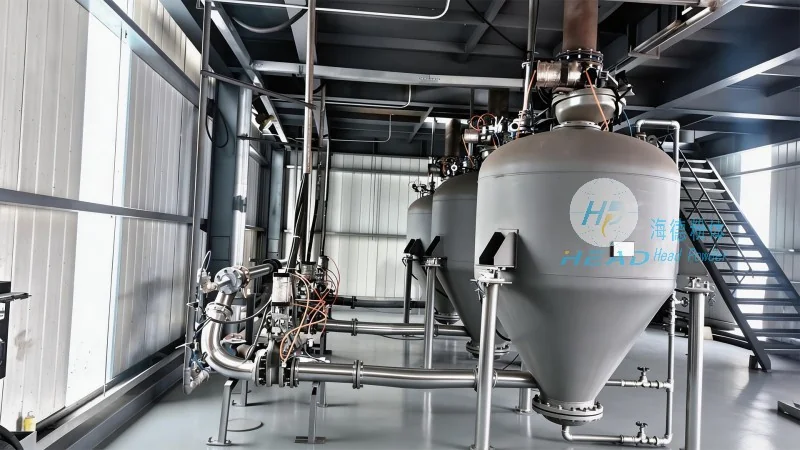
Baryte powder pneumatic conveying systems are widely used in various industrial sectors, including the oil and gas industry, where baryte is used as a weighting agent in drilling fluids. The efficient transport of baryte powder is crucial for maintaining the quality and consistency of drilling fluids, which directly impacts the success of drilling operations. In the medical imaging industry, baryte is used in contrast agents for X-ray and CT scans, and the pneumatic conveying system ensures that the powder is delivered to the manufacturing facility in a clean and controlled manner. Other applications include the chemical and pharmaceutical industries, where baryte is used as a filler or additive in various products. The reliability and efficiency of the pneumatic conveying system contribute to the overall productivity and cost-effectiveness of these industries.
Maintenance and Troubleshooting
To ensure the long-term performance of a baryte powder pneumatic conveying system, regular maintenance is essential. This includes inspecting and cleaning the conveying line and components to prevent clogging and corrosion, checking the air supply unit for proper operation, and monitoring the system's flow rate and pressure. Common issues that may arise include clogging due to moisture or foreign particles, air leaks that reduce system efficiency, and wear and tear on components that can lead to system failure. Proper troubleshooting techniques, such as checking the air pressure, inspecting the feed hopper for blockages, and cleaning the cyclone separator, can help resolve these issues and maintain the system's operational efficiency.
Conclusion
Baryte powder pneumatic conveying systems are a vital component in industrial material handling, providing an efficient and reliable method for transporting baryte powder. By understanding the principles of pneumatic conveying, selecting the appropriate system type, and optimizing the operational parameters, industries can ensure the safe and effective transport of baryte powder. The systems' flexibility, adaptability, and ability to handle fine powders make them a preferred choice for various applications, contributing to the overall productivity and success of industrial operations.