When it comes to the efficient and reliable transportation of coal and coke, understanding the various methods available is crucial for industrial operations. The choice of conveying system depends on factors such as material characteristics, distance, capacity requirements, and operational environment. In this article, we explore the primary methods used for coal and coke conveyance, highlighting the technologies and considerations that make each approach suitable for different applications. HeadPowder Engineering Co., Ltd., a leading provider of industrial conveying solutions, specializes in designing and manufacturing systems tailored to the unique needs of coal and coke handling operations.
1. Belt Conveyor Systems
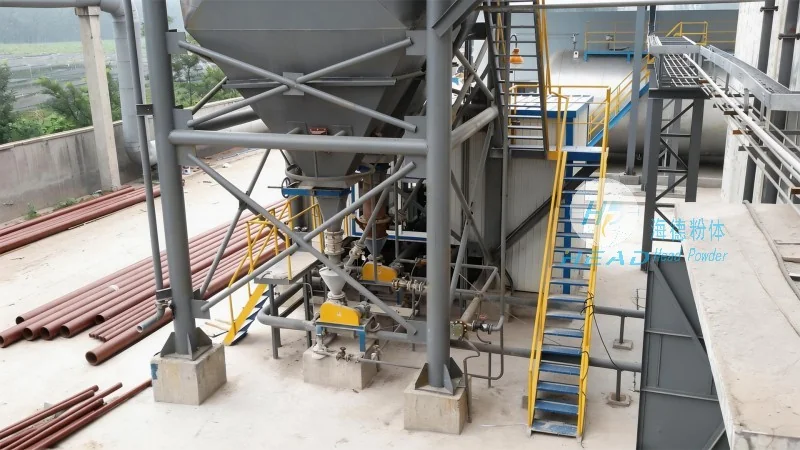
Belt conveyors are one of the most common and widely used methods for coal and coke transportation. These systems utilize a continuous belt, typically made of rubber or synthetic materials, to move bulk materials from one location to another. The belt is supported by rollers and driven by a motor, allowing for smooth and consistent movement of the material. Belt conveyors are particularly effective for long-distance transport, high-volume throughput, and applications where the material is relatively dry and free-flowing. They are also known for their low maintenance requirements and ability to operate in various environmental conditions, including indoor and outdoor settings. The design of belt conveyors can be customized to handle different material sizes and shapes, making them versatile for coal and coke handling in mining, power generation, and industrial processing facilities.
2. Screw Conveyors
Screw conveyors, also known as auger conveyors, are another popular method for transporting coal and coke. These systems consist of a rotating screw (auger) enclosed in a trough or tube. As the screw rotates, it pushes the material forward, similar to how an auger moves soil. Screw conveyors are well-suited for vertical or inclined transport, as well as horizontal movement over short to medium distances. They are particularly effective for handling materials that are sticky or have a tendency to pack, as the screw design helps to prevent blockages and ensure consistent flow. Additionally, screw conveyors are compact and can be installed in tight spaces, making them ideal for applications where space is limited. However, they may not be as efficient for very large volumes or extremely long distances compared to belt conveyors, and they require regular maintenance to prevent wear and tear on the screw and trough.
3. Pneumatic Conveying Systems
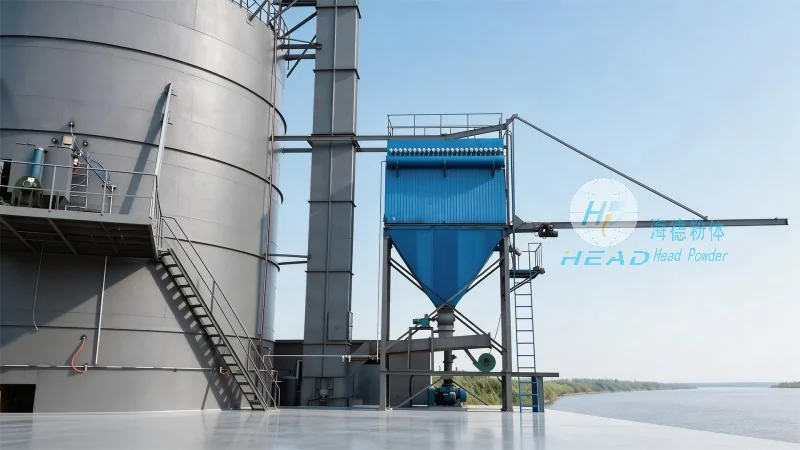
Pneumatic conveying, or air-based transport, is a method that uses compressed air to move coal and coke particles through a pipeline. This system involves a hopper or feeder that introduces the material into a duct, where it is carried by a stream of air. Pneumatic conveyors can be either positive pressure (where air pushes the material) or negative pressure (where air pulls the material). Positive pressure systems are often used for long-distance transport, while negative pressure systems are suitable for shorter distances or when the material needs to be collected from multiple points. Pneumatic conveying offers advantages such as the ability to transport materials in a closed system, reducing dust and environmental impact. It is also flexible in terms of layout, as the pipeline can be routed around obstacles. However, this method may not be as efficient for very large particles or high-volume applications, and it requires careful control of air pressure and flow to maintain consistent material transport. Additionally, the system may need to be equipped with filters and cyclones to separate the material from the air stream at the receiving end.
4. Bucket Elevators
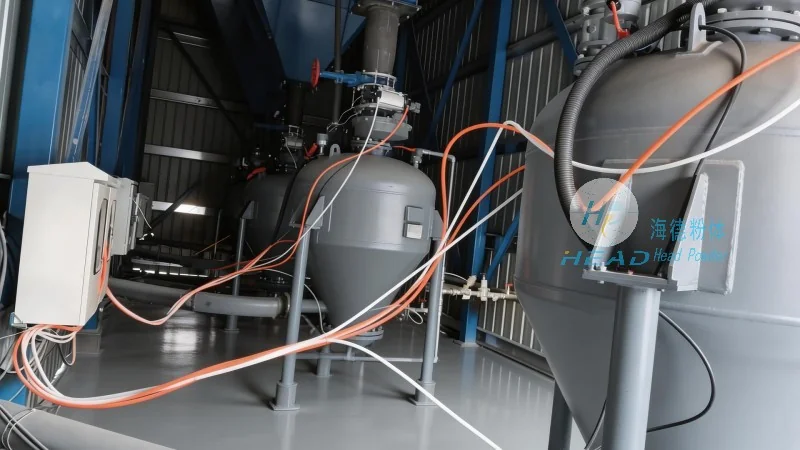
Bucket elevators are vertical or inclined conveyor systems that use a series of buckets attached to a belt or chain to lift and transport coal and coke. The buckets are filled with material at the bottom of the elevator and then carried upward, where they empty the material at the top. Bucket elevators are highly efficient for vertical transport, allowing materials to be lifted to significant heights with minimal space requirements. They are commonly used in applications where the material needs to be elevated from a lower level to a higher level, such as in coal storage facilities or power plants. Bucket elevators are capable of handling a wide range of material sizes and can operate at high speeds, resulting in high throughput. However, they require regular inspection and maintenance to ensure the buckets are properly aligned and the drive system is functioning correctly. Additionally, the design must account for the weight and abrasiveness of the material to prevent wear on the buckets and the conveyor structure.
5. Chain and Flight Conveyors
Chain and flight conveyors are a type of enclosed conveyor system that uses a chain with attached flights to move coal and coke. The flights are designed to carry the material along the chain, which is supported by a frame. This method is particularly effective for handling materials that are sticky, have a tendency to pack, or are abrasive. The enclosed design helps to contain the material and prevent spillage, making it suitable for applications where dust control is important. Chain and flight conveyors are often used in industrial settings where the material needs to be transported over short to medium distances, such as in processing plants or storage facilities. They are also capable of handling vertical or inclined movement, similar to bucket elevators. However, the system may require more maintenance than open belt conveyors due to the moving parts and the potential for material buildup on the flights. Proper lubrication and regular cleaning are essential to maintain the efficiency and longevity of the conveyor.




