

Analysis of Stearic Acid Sodium Pneumatic Conveying System
Stearic acid sodium, a widely used chemical additive in various industrial applications, requires efficient and reliable handling systems to ensure optimal performance and safety. The pneumatic conveying system for stearic acid sodium represents a critical component in the processing and transportation of this material, offering advantages such as reduced dust exposure, improved material flow control, and enhanced operational efficiency. This article provides an in-depth analysis of the stearic acid sodium pneumatic conveying system, focusing on its design, functionality, and practical applications in industrial settings.
System Overview and Core Components
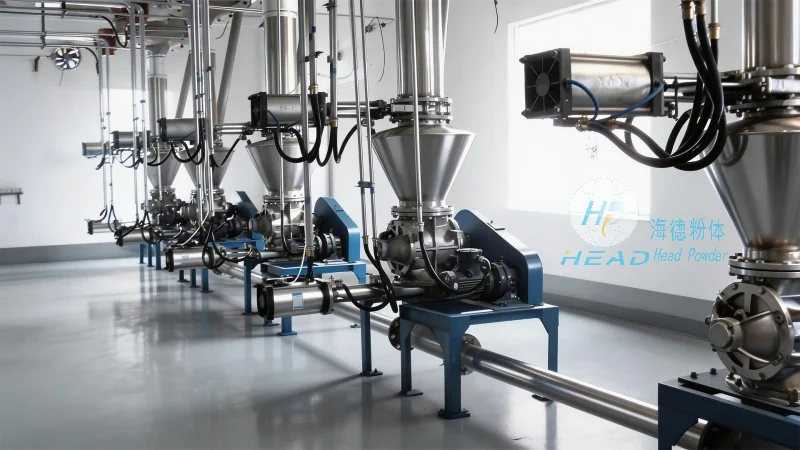
The stearic acid sodium pneumatic conveying system is engineered to transport powdered or granular stearic acid sodium through an air-driven mechanism. At the heart of this system are several key components that work in tandem to achieve effective material transfer. The primary components include a feeding hopper, a rotary airlock valve, a conveying pipeline, a dust collector, and a discharge hopper. The feeding hopper serves as the initial storage and feeding unit, where the stearic acid sodium is introduced into the system. The rotary airlock valve, positioned at the outlet of the hopper, regulates the flow of material into the conveying pipeline, preventing backflow and ensuring a controlled discharge rate. The conveying pipeline, typically made of stainless steel or other corrosion-resistant materials, is designed to withstand the chemical properties of stearic acid sodium and maintain airtight integrity. The dust collector is an essential safety feature, capturing any airborne particles and preventing environmental contamination. Finally, the discharge hopper collects the material at the receiving end, completing the transportation process.
Working Principle and Operational Mechanics
The pneumatic conveying system operates on the principle of air movement to transport stearic acid sodium particles. There are two main types of pneumatic conveying systems: pressure and vacuum. The pressure system uses compressed air to push the material through the pipeline, while the vacuum system uses a vacuum pump to draw the material into the pipeline. For stearic acid sodium, a pressure system is often preferred due to its ability to handle higher material loads and maintain consistent flow rates. The system begins with the material being fed into the hopper, where it is then discharged into the conveying pipeline via the rotary airlock valve. Compressed air is introduced at the inlet of the pipeline, creating a flow that carries the stearic acid sodium particles forward. The air velocity within the pipeline is carefully controlled to ensure that the particles are fully suspended and transported without causing blockages or excessive wear on the system components. The system's operational mechanics involve precise control of air pressure, flow rate, and material feed rate to achieve optimal performance. This balance is crucial for preventing material degradation, maintaining system efficiency, and ensuring the safety of personnel and equipment.
Advantages and Benefits of the System
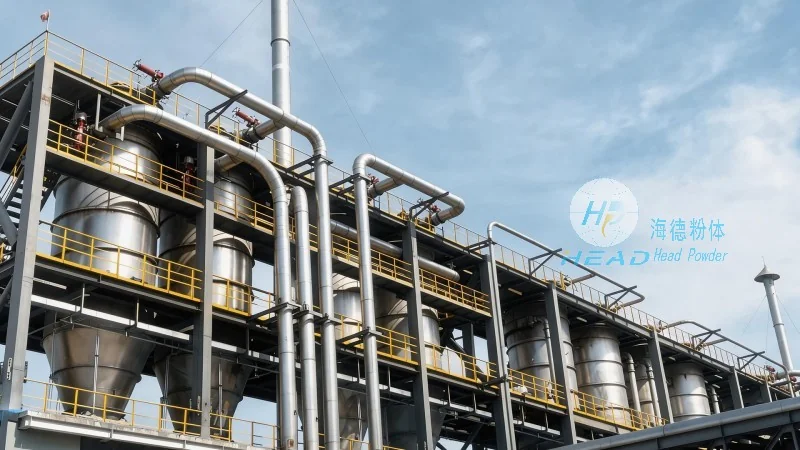
The stearic acid sodium pneumatic conveying system offers several significant advantages over traditional mechanical conveying methods. One of the primary benefits is the reduction of dust exposure, which is critical for maintaining a safe working environment and complying with occupational health regulations. By containing the material within an enclosed system, the risk of airborne dust particles is minimized, protecting both workers and the surrounding environment. Another key advantage is improved material flow control, which allows for precise regulation of the material's movement through the pipeline. This control is essential for maintaining consistent product quality and preventing variations in the final output. The system also enhances operational efficiency by reducing downtime and maintenance requirements. The enclosed design minimizes the need for manual handling and cleaning, as the material is contained within the system from start to finish. Additionally, the system's ability to handle high material loads and maintain consistent flow rates makes it suitable for large-scale industrial applications, where reliability and efficiency are paramount.
Application Scenarios and Industry Use Cases
The stearic acid sodium pneumatic conveying system is widely used in various industrial sectors, including food processing, pharmaceuticals, and chemical manufacturing. In the food industry, stearic acid sodium is commonly used as an anti-caking agent and emulsifier in products such as baking powders, confectionery, and dairy products. The pneumatic conveying system ensures that the material is transported safely and efficiently from storage to processing lines, maintaining its purity and preventing contamination. In the pharmaceutical industry, the system is used to transport stearic acid sodium in the production of tablets, capsules, and other dosage forms. The enclosed design and controlled flow rates help maintain the material's sterility and quality, which is critical for pharmaceutical applications. In chemical manufacturing, the system is used to transport stearic acid sodium in the production of surfactants, lubricants, and other chemical products. The system's ability to handle corrosive and abrasive materials makes it suitable for these applications, where reliability and durability are essential. Overall, the stearic acid sodium pneumatic conveying system is a versatile and essential component in the processing and transportation of this important chemical additive.
Installation and Maintenance Considerations
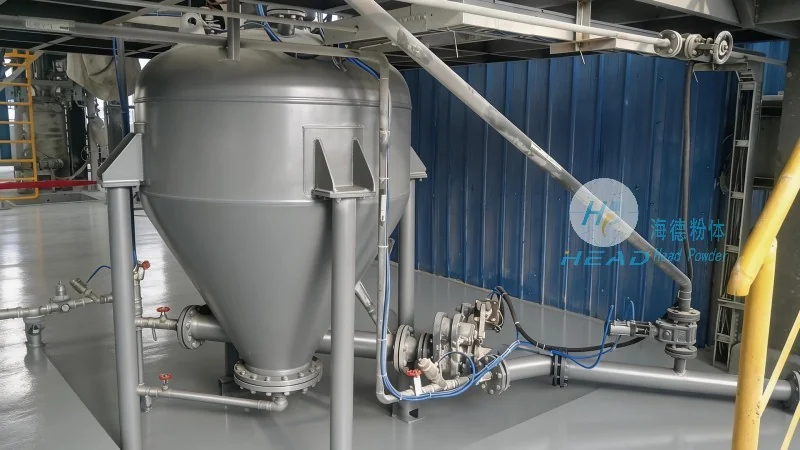
Proper installation and regular maintenance are crucial for ensuring the long-term performance and reliability of the stearic acid sodium pneumatic conveying system. During installation, it is important to ensure that all components are properly aligned and secured to prevent vibrations and leaks. The conveying pipeline should be checked for any signs of corrosion or wear, and any damaged sections should be replaced immediately. The rotary airlock valve and feeding hopper should be inspected regularly to ensure that they are functioning correctly and that the material is being fed at the appropriate rate. The dust collector should be cleaned periodically to prevent clogging and maintain its efficiency. Regular maintenance also includes checking the air pressure and flow rate to ensure that they are within the recommended range. By following proper installation and maintenance procedures, the system can operate efficiently and safely for extended periods, minimizing downtime and repair costs.
Conclusion and Future Developments
In conclusion, the stearic acid sodium pneumatic conveying system is a highly effective and reliable solution for the transportation of this important chemical additive. Its design and functionality offer significant advantages over traditional mechanical conveying methods, including improved safety, enhanced material flow control, and increased operational efficiency. The system is widely used in various industrial sectors and is essential for maintaining product quality and compliance with industry standards. As technology advances, future developments in the stearic acid sodium pneumatic conveying system may include more advanced control systems, improved materials for pipeline construction, and enhanced safety features. These developments will further improve the system's performance and reliability, making it an even more valuable component in industrial processing and transportation. The continued use and development of the pneumatic conveying system for stearic acid sodium will undoubtedly contribute to the efficiency and safety of industrial operations worldwide.