

Polystyrene Pneumatic Conveying System Analysis
Polystyrene, a widely used thermoplastic polymer, is commonly utilized in various industrial applications due to its lightweight, durable, and cost-effective properties. The efficient handling and transportation of polystyrene particles often require specialized equipment, and pneumatic conveying systems have emerged as a reliable solution for this purpose. This analysis delves into the design, functionality, and practical applications of polystyrene pneumatic conveying systems, highlighting their benefits and operational considerations.
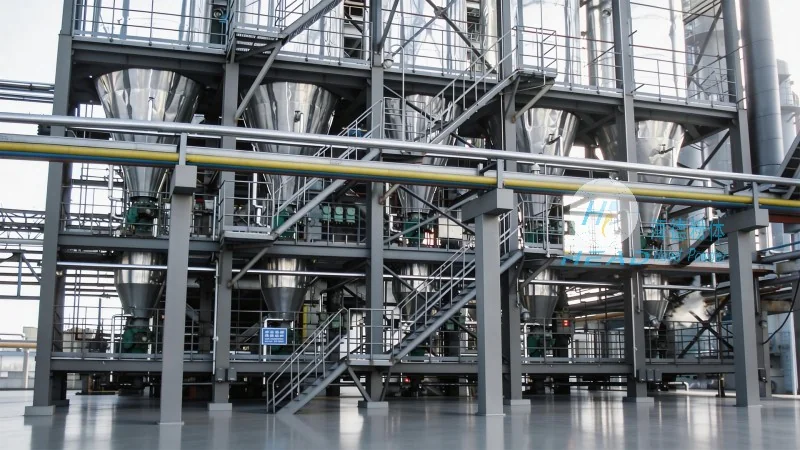
HeadPowder: A Leading Provider of Pneumatic Conveying Solutions
Shandong HeadPowder Engineering Co., Ltd., a reputable company based in China, specializes in the design, manufacturing, and implementation of advanced pneumatic conveying systems. With a strong focus on innovation and customer satisfaction, HeadPowder has established itself as a trusted partner for industries dealing with polystyrene and other bulk materials. The company's expertise lies in tailoring systems to meet specific operational requirements, ensuring optimal performance and reliability.
Key Components of Polystyrene Pneumatic Conveying Systems
A typical polystyrene pneumatic conveying system comprises several essential components that work in tandem to facilitate material transport. These include a hopper for material storage, a feeder to control the flow rate, a conveying line (often equipped with ducts and bends), a dust collector to manage air and particulate matter, and a receiver for the discharged material. The system may also incorporate a blower or compressor to generate the necessary air pressure for conveying. Each component plays a critical role in maintaining the efficiency and safety of the operation.
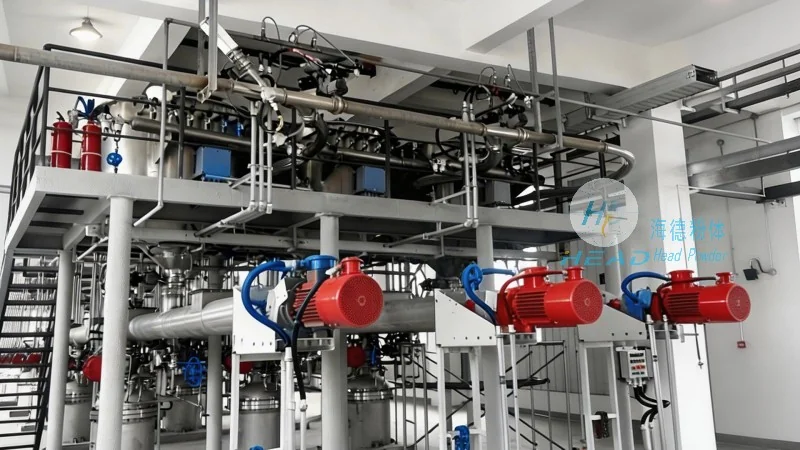
Types of Pneumatic Conveying Systems for Polystyrene
There are primarily two types of pneumatic conveying systems used for polystyrene: pressure and vacuum systems. Pressure systems operate by forcing air and material through the conveying line under positive pressure, typically using a blower. This method is suitable for short to medium distances and can handle a wide range of particle sizes. Vacuum systems, on the other hand, use a vacuum pump to draw material into the system, making them ideal for long-distance transport and applications where material needs to be collected from multiple sources. The choice between pressure and vacuum systems depends on factors such as the distance, material characteristics, and operational constraints.
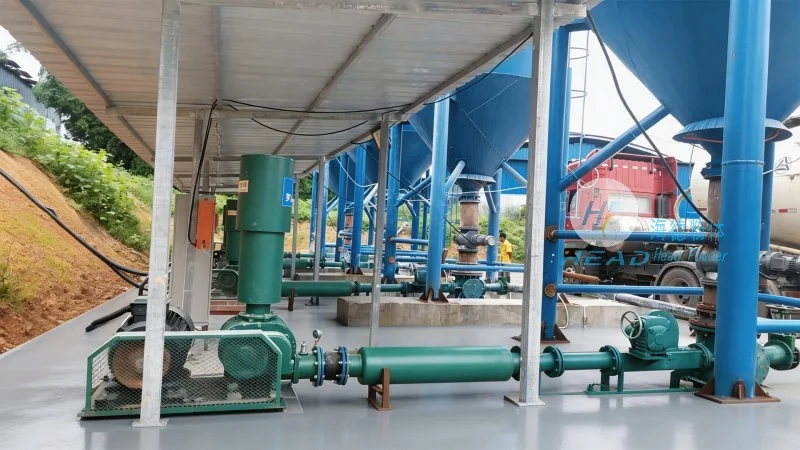
Advantages of Using Pneumatic Conveying for Polystyrene
Pneumatic conveying offers several advantages when handling polystyrene. Firstly, it eliminates the need for mechanical components like conveyors or elevators, reducing maintenance costs and minimizing the risk of material contamination. The enclosed system also prevents dust and airborne particles from spreading, enhancing workplace safety and environmental compliance. Additionally, pneumatic conveying systems can handle polystyrene in various forms, including granules, pellets, and powders, making them versatile for different processing stages. The ability to control flow rates and maintain consistent material quality further enhances their appeal in industrial settings.
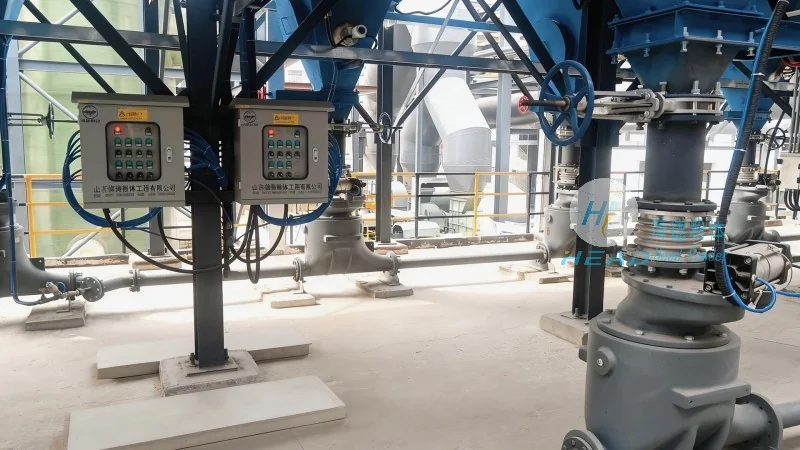
Operational Considerations and Best Practices
While pneumatic conveying systems provide numerous benefits, proper operation and maintenance are crucial for optimal performance. It is essential to ensure that the system is designed to handle the specific characteristics of polystyrene, such as particle size distribution, moisture content, and density. Regular cleaning of the conveying line and components is necessary to prevent clogging and maintain efficiency. Additionally, monitoring air pressure and flow rates helps in identifying potential issues early and adjusting the system as needed. Proper training of operators on safety protocols and system operation is also vital to prevent accidents and ensure smooth operations.
Conclusion
Polystyrene pneumatic conveying systems represent a sophisticated and efficient solution for the transportation of this versatile polymer. With the expertise of companies like Shandong HeadPowder Engineering Co., Ltd., industries can leverage advanced technology to enhance productivity, reduce costs, and improve safety. By understanding the key components, types, and operational considerations of these systems, businesses can make informed decisions to optimize their material handling processes and achieve long-term success.