

Types, Characteristics, and Application Ranges of Tungsten Carbide Pneumatic Conveying
When it comes to industrial material handling, the selection of an appropriate conveying system is crucial for efficiency, safety, and cost-effectiveness. Among the various options available, tungsten carbide pneumatic conveying stands out as a robust and versatile solution, especially for handling abrasive and high-value materials like tungsten carbide powders and granules. This article delves into the different types of tungsten carbide pneumatic conveying systems, their key features, and the diverse application ranges where they excel, all provided by Shandong HeadPowder Engineering Co., Ltd., a leading manufacturer in the field.
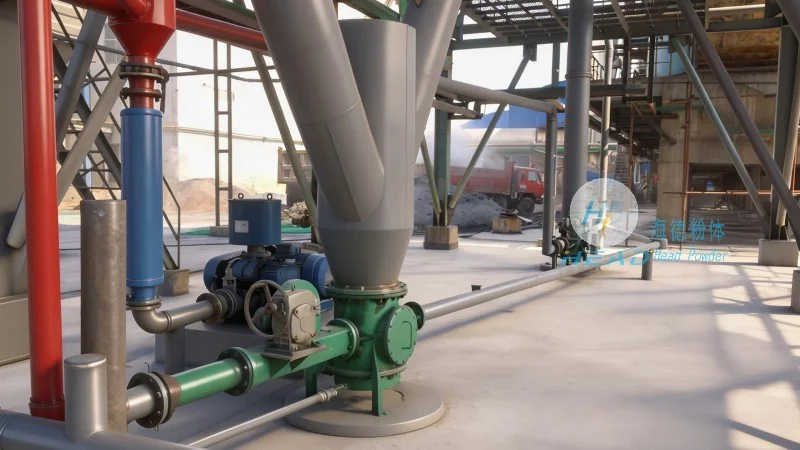
Overview of Tungsten Carbide Pneumatic Conveying Systems
Tungsten carbide pneumatic conveying systems utilize air or other gases to transport particulate materials through a pipeline network. The core principle involves creating a pressure differential to move the material from the source to the destination. There are primarily two main categories of pneumatic conveying systems: pressure and vacuum systems. Each type has distinct characteristics that make it suitable for specific operational requirements.
Types of Tungsten Carbide Pneumatic Conveying
1. Pressure Pneumatic Conveying - This system operates by generating positive pressure at the material source, typically using a blower or compressor. The material is then propelled through the pipeline under pressure. Pressure systems are ideal for long-distance and high-capacity applications, as they can maintain consistent flow rates over extended distances. They are particularly effective for transporting abrasive materials like tungsten carbide, which can cause wear on equipment if not handled properly. The high-pressure environment also helps in reducing material degradation and ensuring a stable flow.
2. Vacuum Pneumatic Conveying - In contrast, vacuum systems create a negative pressure at the receiving end, drawing the material from the source. This method is commonly used for shorter distances and when the material needs to be transported from multiple points to a central collection point. Vacuum systems are advantageous for applications where the material is sensitive to pressure changes or where the source is located at a lower elevation than the destination. They are also suitable for handling fine powders, as the low pressure helps in preventing particle agglomeration and maintaining the material's integrity.
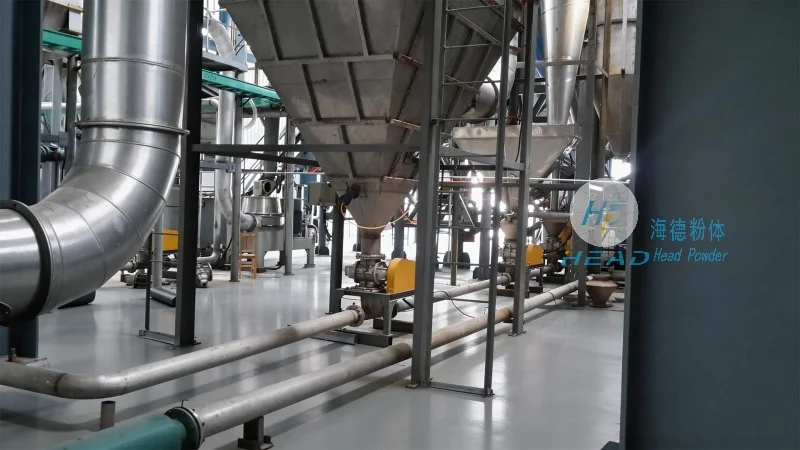
Key Features of Tungsten Carbide Pneumatic Conveying
Regardless of the type, tungsten carbide pneumatic conveying systems share several key features that contribute to their effectiveness and reliability. First, they offer a closed-loop system, which minimizes dust emissions and ensures a clean working environment. This is particularly important for handling tungsten carbide, which can be hazardous if inhaled. The closed system also helps in maintaining product purity, as it prevents contamination from external sources.
Second, these systems are highly customizable to meet specific operational needs. They can be designed for different particle sizes, flow rates, and distances, making them adaptable to various production processes. The ability to integrate with existing infrastructure is another significant advantage, as it reduces installation costs and time. Additionally, modern systems often incorporate advanced control technologies, such as variable frequency drives and sensors, to optimize performance and energy consumption.
Third, the materials used in the construction of the conveying equipment are critical for longevity and performance. Tungsten carbide itself is a very hard and wear-resistant material, making it an ideal choice for the components that come into direct contact with the abrasive material. The pipelines, valves, and other parts are typically made from stainless steel or other corrosion-resistant materials to withstand the harsh conditions of handling tungsten carbide. This combination of materials ensures that the system can operate efficiently for extended periods without significant maintenance.
Application Ranges of Tungsten Carbide Pneumatic Conveying
The versatility of tungsten carbide pneumatic conveying systems makes them suitable for a wide range of applications across various industries. In the manufacturing sector, they are commonly used in the production of cutting tools, wear-resistant components, and aerospace parts. The high precision and reliability of the system ensure that the tungsten carbide material is transported without any loss or degradation, which is essential for maintaining the quality of the final products.
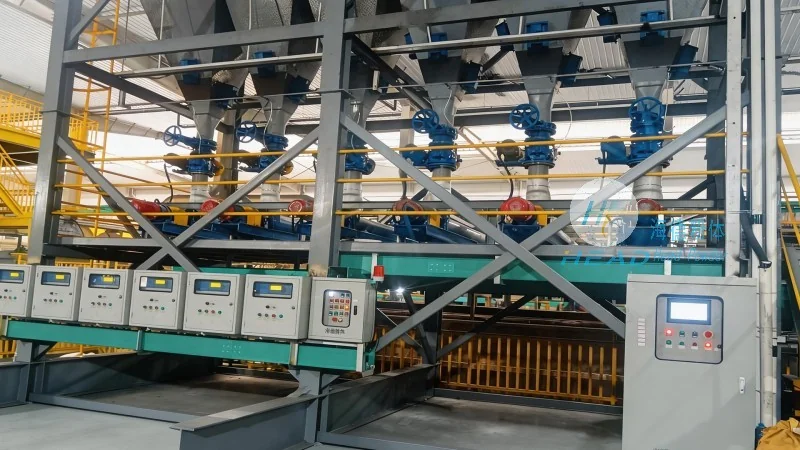
In the mining and mineral processing industry, these systems are employed to transport tungsten ore and its byproducts. The abrasive nature of the ore requires a robust conveying system, and the pneumatic method provides the necessary durability and efficiency. The ability to handle large volumes of material over long distances makes it an ideal solution for mining operations.
Furthermore, in the chemical and pharmaceutical industries, where tungsten carbide is used as a catalyst or additive, the closed-loop system of pneumatic conveying is crucial for maintaining product purity and safety. The system ensures that the material is handled in a controlled environment, minimizing the risk of contamination and exposure to hazardous substances.
Another application is in the production of tungsten carbide powders for use in coatings and composites. The fine nature of these powders makes them susceptible to agglomeration and loss during transport. The low-pressure and controlled environment of vacuum or pressure systems help in preserving the powder's properties, ensuring that the final product meets the required specifications.