

Types, Features, and Application Scope of Phosphate Calcium Pneumatic Conveying Systems
Phosphate calcium is a widely used material in various industrial processes, and the efficient handling of this material often relies on pneumatic conveying systems. The choice of the right pneumatic conveying type is crucial for ensuring optimal performance, reliability, and cost-effectiveness in material transport operations. This article explores the different types of phosphate calcium pneumatic conveying systems, their key characteristics, and the diverse application scopes where they are employed.
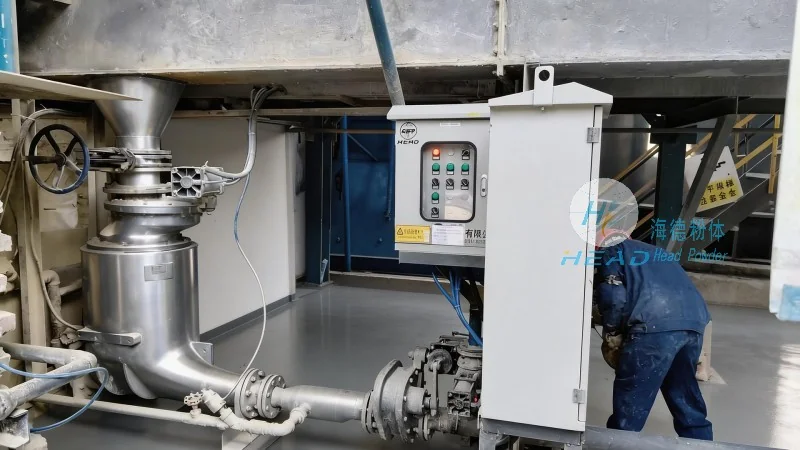
Types of Phosphate Calcium Pneumatic Conveying Systems
There are several primary types of pneumatic conveying systems used for phosphate calcium, each with distinct operational principles and suitability for different material properties and process requirements. The main categories include:
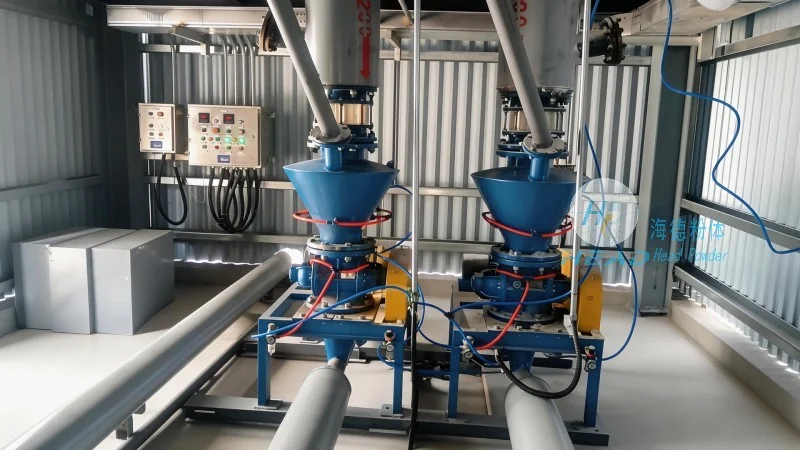
- Positive Pressure Conveying: This system operates by blowing air or gas into the material stream, creating a positive pressure that propels the material through the pipeline. It is suitable for handling fine powders and granules, offering high conveying rates and flexibility in system design.
- Negative Pressure (Vacuum) Conveying: In this type, a vacuum is created at the receiving end, drawing the material from the source into the conveying line. It is ideal for applications requiring dust control and material transfer over short to medium distances, especially where the material is sensitive to pressure changes.
- Pressure-Boosted Conveying: Combining elements of both positive and negative pressure systems, this method uses a booster pump to enhance the pressure in the pipeline, enabling longer conveying distances and higher material throughput. It is particularly effective for handling abrasive or high-density phosphate calcium materials.
Key Features of Phosphate Calcium Pneumatic Conveying
When selecting a pneumatic conveying system for phosphate calcium, several key features must be considered to ensure the system meets operational demands and maintains efficiency over time. These features include:
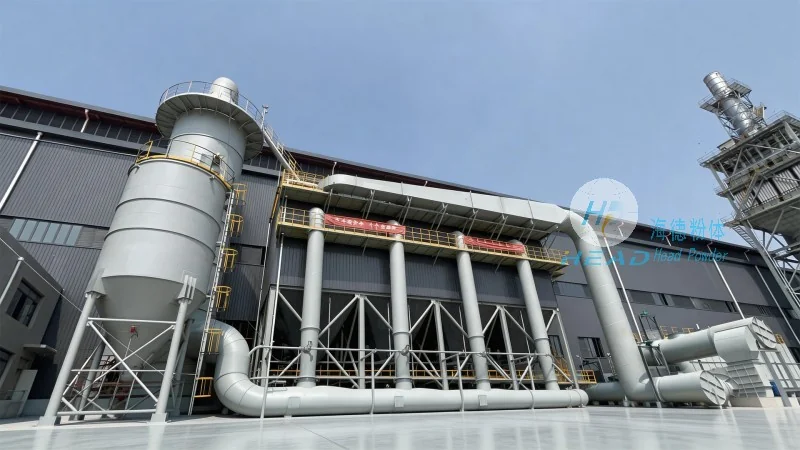
- Material Handling Capacity: The system's ability to transport a specific volume of phosphate calcium per unit time, which is influenced by the pipeline diameter, air velocity, and material density.
- System Reliability and Durability: The construction of the conveying components, such as the hopper, pipeline, and valves, must be robust enough to withstand the abrasive nature of phosphate calcium, ensuring long-term operational reliability.
- Dust Control and Environmental Compliance: Effective dust suppression measures are essential to prevent material loss and comply with environmental regulations. This includes features like sealed hoppers, filtration systems, and proper ventilation.
- Energy Efficiency: Optimizing air flow and pressure to minimize energy consumption while maintaining the required conveying performance is a critical feature for cost-effective operations.
Application Scope of Phosphate Calcium Pneumatic Conveying
Phosphate calcium pneumatic conveying systems find extensive applications across various industries due to their versatility and ability to handle different material forms. The primary application areas include: