Mobile pneumatic conveying systems represent a sophisticated and efficient method for transporting bulk materials over short to medium distances. These systems utilize compressed air or other gases to move powders, granules, and other particulate materials from one location to another, offering advantages such as dust-free operation, minimal maintenance, and the ability to handle a wide range of materials. The core components of a mobile pneumatic conveying system typically include a hopper for material storage, a conveyor line, a control unit, and a discharge outlet. The system's design allows for flexibility in placement, making it suitable for various industrial applications where fixed infrastructure may not be feasible.
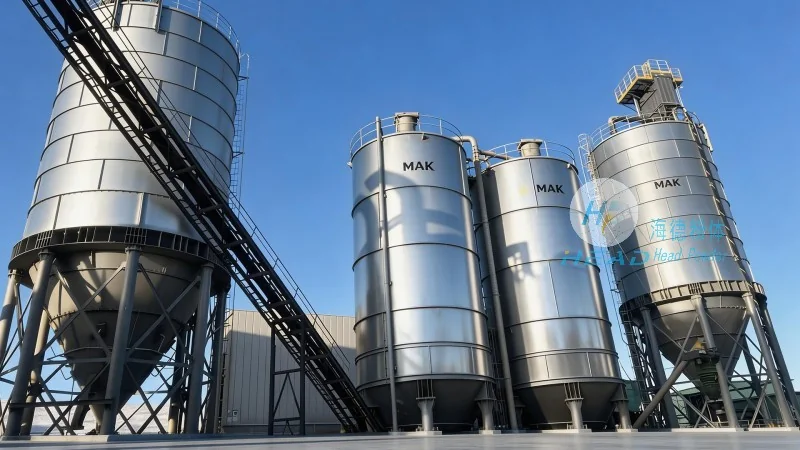
Key Structural Components and Working Principles
The structural design of a mobile pneumatic conveying system is engineered to ensure optimal performance and reliability. The system comprises several critical components that work in concert to facilitate material transport. The hopper serves as the primary storage vessel, holding the bulk material and feeding it into the conveyor line. This component is often equipped with a feeder, such as a rotary valve or a screw feeder, which regulates the flow of material into the system. The conveyor line itself is a flexible or rigid tube that carries the material through the system. In mobile systems, the conveyor may be mounted on a trailer or a mobile frame, allowing for easy relocation. The control unit manages the operation of the system, including the air pressure, flow rate, and material feed. It may include sensors to monitor system performance and alert operators to any issues. The discharge outlet is where the material is released at the destination point, and it can be adjusted to direct the material to the desired location.
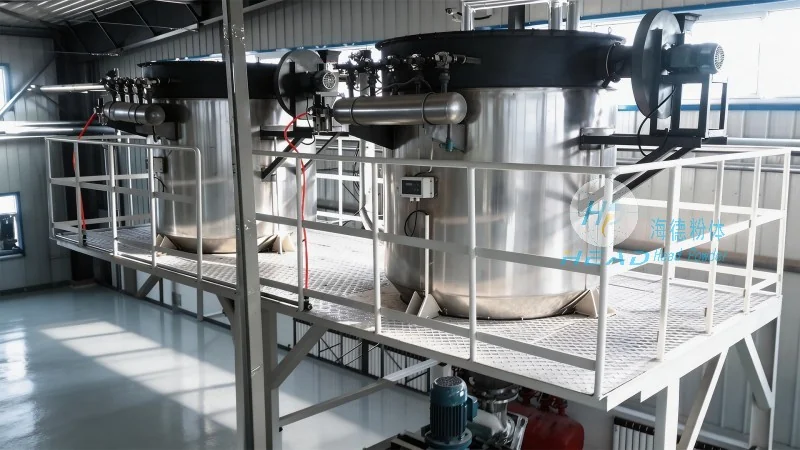
Advantages of Mobile Pneumatic Conveying Systems
Mobile pneumatic conveying systems offer several advantages over traditional methods of material handling. One of the primary benefits is the ability to handle a wide variety of materials, including fine powders, granules, and even abrasive substances. The system's enclosed design prevents dust and contamination, making it suitable for applications where environmental control is critical. Additionally, mobile systems are highly flexible, allowing for easy reconfiguration and relocation as production needs change. This adaptability reduces downtime and increases operational efficiency. The systems also require minimal maintenance compared to other bulk material handling solutions, as they have fewer moving parts and are less prone to wear and tear. Furthermore, the use of compressed air as the driving force provides a clean and safe operation, eliminating the need for mechanical components that may cause friction or generate heat.
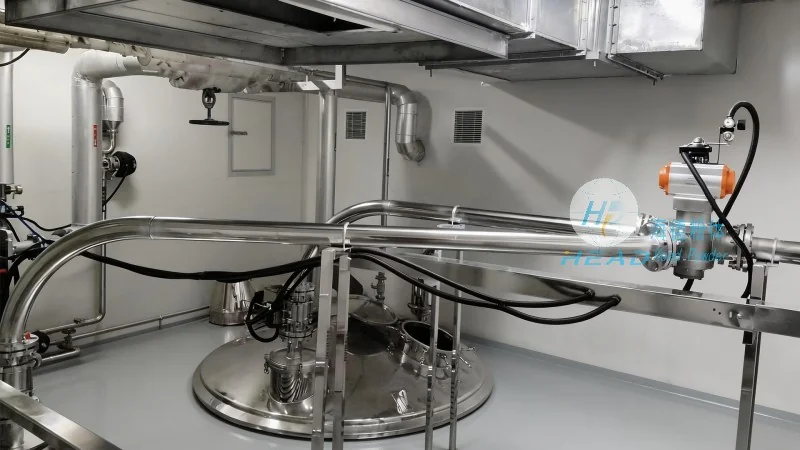
Applications in Industrial Settings
Mobile pneumatic conveying systems are widely used in various industrial sectors due to their versatility and efficiency. In the food and pharmaceutical industries, these systems are employed to transport ingredients and finished products, ensuring that the materials remain clean and free from contamination. In the chemical industry, they handle a range of chemicals, including powders and granules, while maintaining safety standards. The construction industry also benefits from mobile pneumatic conveying systems for transporting sand, cement, and other building materials to different parts of a site. Additionally, in the agricultural sector, these systems are used to move grain and other agricultural products from storage to processing facilities. The ability to move materials quickly and efficiently enhances productivity in all these applications.
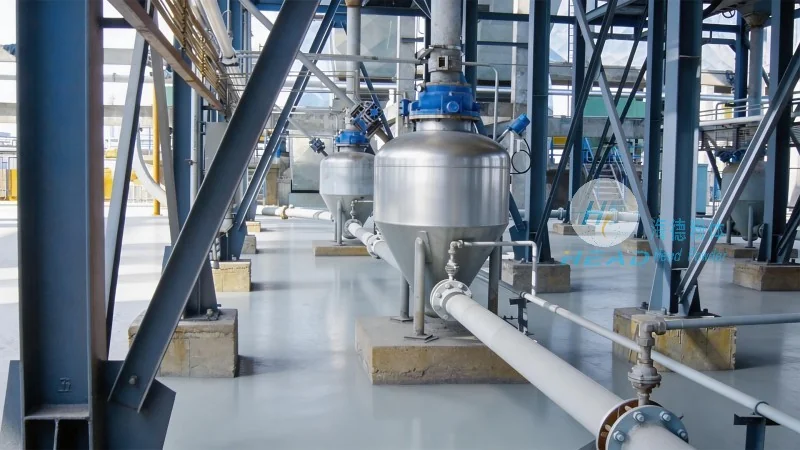
Company Profile: Shandong HeadPowder Engineering Co., Ltd.
Shandong HeadPowder Engineering Co., Ltd., commonly known as headpowder, is a leading manufacturer and supplier of pneumatic conveying systems and related equipment. The company is headquartered in Shandong, China, and has established itself as a trusted partner in the bulk material handling industry. With a strong commitment to quality and innovation, headpowder designs and manufactures mobile pneumatic conveying systems that meet the highest standards of performance and reliability. The company's products are engineered to handle diverse materials and operational requirements, ensuring that clients receive tailored solutions that enhance their production processes. headpowder's team of experts provides comprehensive support, from system design and installation to maintenance and after-sales service, ensuring that clients can rely on their equipment for long-term operation.




