HeadPowder, a leading engineering firm based in Shandong, China, specializes in the design and implementation of advanced material handling solutions. One of their core offerings is the clinker particle pneumatic conveying system, a technology that efficiently transports clinker particles through a pressurized air stream. This system is widely used in cement and construction industries for its ability to handle bulk materials with minimal maintenance and high efficiency.
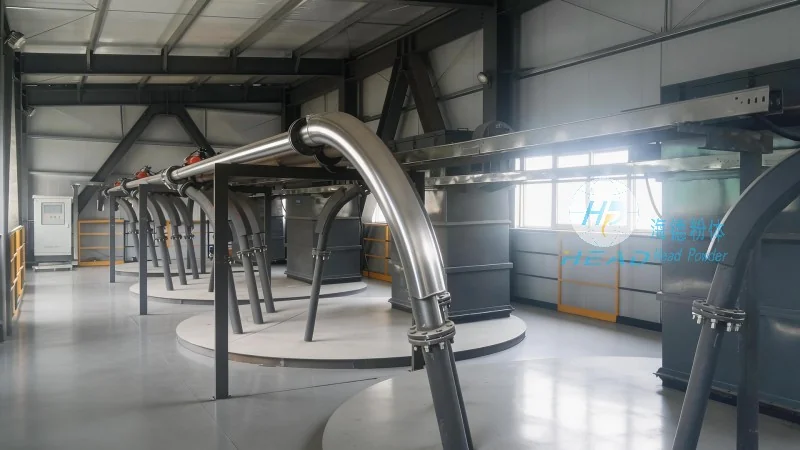
Overview of the Clinker Particle Pneumatic Conveying System
The clinker particle pneumatic conveying system is a sophisticated method for transporting clinker, a key raw material in cement production, from storage silos to processing units. It operates by using compressed air to create a flow that carries the solid particles through a pipeline network. This approach eliminates the need for mechanical components like belts or buckets, reducing wear and tear and lowering operational costs. The system is designed to handle clinker with varying particle sizes and moisture content, ensuring consistent performance across different production stages.
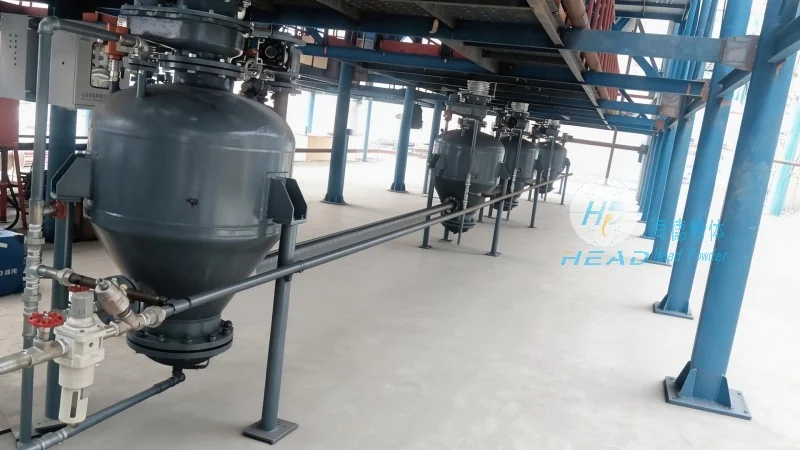
Key Components and Structural Design
The system consists of several critical components that work in tandem to achieve efficient material transport. The primary components include the material feeder, which feeds clinker into the conveying line; the air compressor, which generates the necessary pressure for the air stream; the conveying pipeline, which transports the particles; and the discharge unit, which releases the clinker at the destination. Each component is engineered to withstand the abrasive nature of clinker particles, ensuring long-term durability. The pipeline is typically made of corrosion-resistant materials such as stainless steel or special alloys to prevent degradation from chemical reactions with the clinker. The feeder is designed with a variable speed mechanism to control the flow rate, allowing for precise regulation of material throughput. The air compressor is equipped with a filtration system to remove moisture and particulate matter from the air, maintaining optimal conveying conditions.
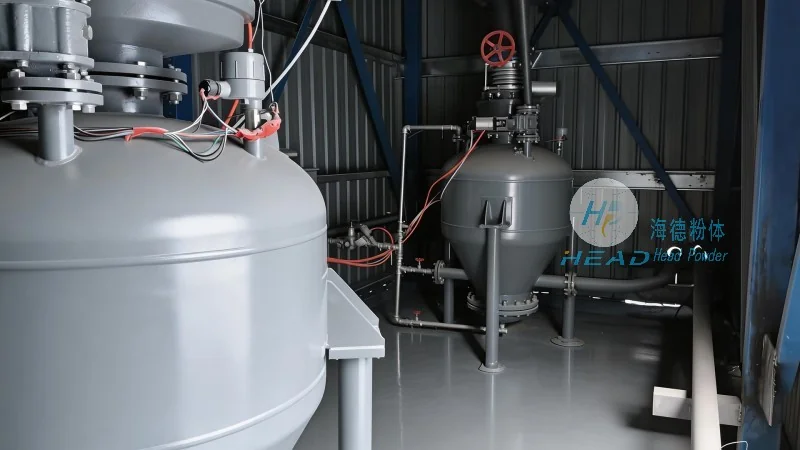
Working Principle and Operational Mechanism
The operational principle of the clinker particle pneumatic conveying system is based on the creation of a high-velocity air stream that entrains the clinker particles. When the air compressor generates compressed air, it is directed into the conveying pipeline. The material feeder then introduces clinker into the pipeline, where the air stream lifts and transports the particles. The velocity of the air is maintained above the minimum required to keep the particles suspended, preventing deposition or blockages in the pipeline. The system uses a combination of positive and negative pressure zones to control the flow direction and ensure smooth material movement. The discharge unit at the end of the pipeline releases the clinker into the receiving hopper or processing equipment. The entire process is automated, with sensors monitoring pressure, flow rate, and particle concentration to adjust the system parameters in real-time. This ensures consistent performance and prevents system failures due to overloading or air pressure fluctuations.
Advantages and Applications in Industrial Settings
The clinker particle pneumatic conveying system offers several advantages over traditional mechanical conveying methods. It provides a dust-free and hygienic environment, which is crucial in cement and food processing industries. The system also reduces energy consumption by minimizing the need for mechanical components and optimizing air usage. Additionally, it allows for flexible layout designs, as the pipeline can be installed in various configurations to suit different plant layouts. The system is particularly suitable for applications where long-distance transport is required, as it can cover distances of several hundred meters with minimal loss of material. In industrial settings, this system is commonly used in cement plants to transport clinker from storage silos to the kiln or grinding units. It is also employed in construction material processing facilities to move clinker to mixing and batching stations. The system's ability to handle high volumes of material at a consistent rate makes it an essential component in modern industrial operations.
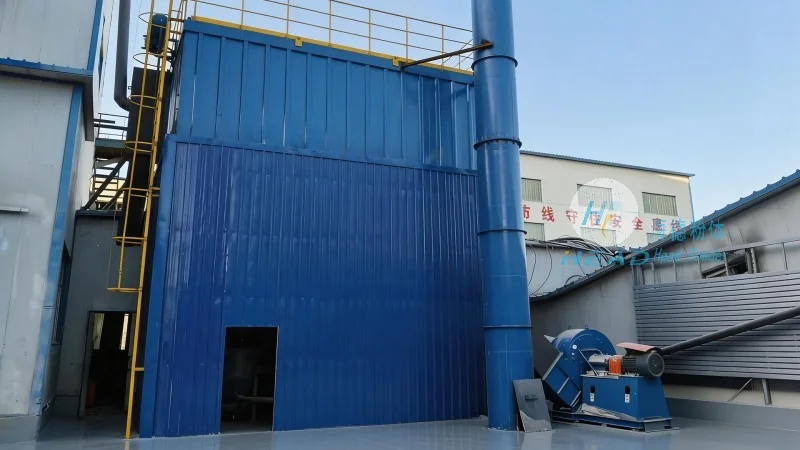
Maintenance and Operational Considerations
Proper maintenance is essential to ensure the long-term reliability and efficiency of the clinker particle pneumatic conveying system. Regular inspection of the air compressor and filtration system is necessary to prevent air leaks and maintain optimal air quality. The conveying pipeline should be checked for signs of wear or corrosion, and any damaged sections should be replaced promptly. The material feeder and discharge unit require periodic cleaning to remove accumulated clinker and prevent blockages. The system's control system should be monitored regularly to detect any abnormalities in pressure or flow rates. HeadPowder provides comprehensive maintenance services to ensure that the system operates at peak performance. Their team of engineers and technicians are trained to handle all aspects of the system, from routine maintenance to troubleshooting complex issues. By adhering to a regular maintenance schedule, industrial facilities can minimize downtime and maximize the lifespan of their clinker particle pneumatic conveying system.




