High-temperature fly ash pneumatic conveying systems are essential equipment in modern industrial processes, particularly in power plants and cement production facilities. These systems are designed to transport high-temperature fly ash from the boiler or cyclone separator to the storage silo or processing unit efficiently and safely. The technology has evolved significantly over the years, offering reliable solutions for handling abrasive and high-temperature materials that are challenging to transport using traditional methods.
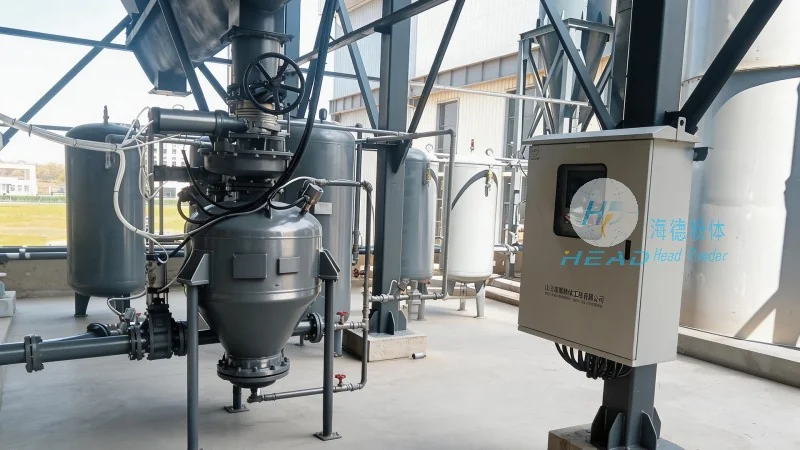
Key Components and Structure of the System
The high-temperature fly ash pneumatic conveying system typically consists of several critical components that work in concert to ensure smooth operation. The main components include the ash hopper, feeder, air compressor, conveying pipeline, and the receiving silo. Each component plays a vital role in the overall system performance.
Firstly, the ash hopper is responsible for collecting the fly ash from the boiler or cyclone. It is usually equipped with a heating element to maintain the temperature of the ash, preventing it from solidifying or caking. The feeder, often a rotary valve or a screw feeder, controls the flow rate of the ash into the conveying pipeline. This component ensures a consistent and controlled discharge of the material.
Secondly, the air compressor is the heart of the pneumatic conveying system. It generates the necessary air pressure to move the fly ash through the pipeline. High-temperature air compressors are specifically designed to handle the elevated temperatures of the ash, ensuring durability and efficiency. The conveying pipeline is made of materials resistant to high temperatures and abrasion, such as stainless steel or special alloys, to withstand the harsh conditions of fly ash transport.
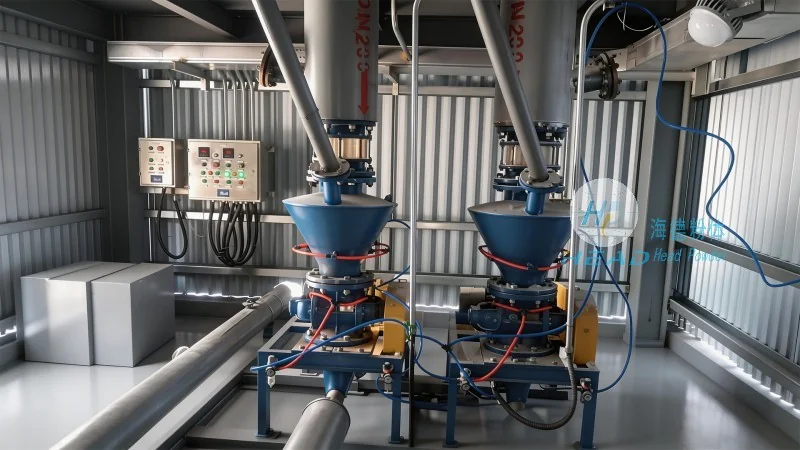
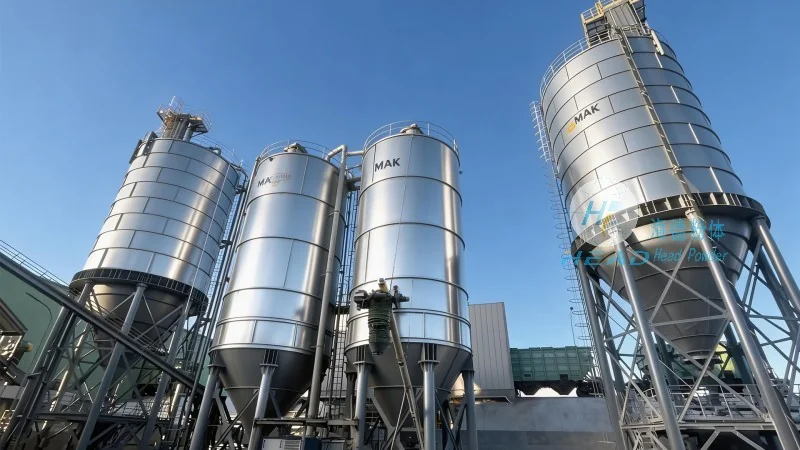
Thirdly, the receiving silo is where the transported fly ash is stored. It is designed to handle the high-temperature material and prevent any leakage or contamination. The silo may also be equipped with a discharge system to transfer the ash to the next processing stage.
Working Principle of the Pneumatic Conveying Process
The operation of a high-temperature fly ash pneumatic conveying system follows a systematic process. The system starts by feeding the fly ash from the hopper into the conveying pipeline. The feeder regulates the amount of ash being introduced, ensuring a steady flow. Simultaneously, the air compressor generates high-pressure air, which is introduced into the pipeline at the inlet of the hopper.
As the high-pressure air flows through the pipeline, it creates a flow that lifts and transports the fly ash particles. The air velocity is maintained at a level sufficient to keep the ash in suspension, preventing it from settling or clogging the pipeline. The conveying process continues until the ash reaches the receiving silo, where it is deposited and stored.
During the conveying process, the system monitors key parameters such as air pressure, flow rate, and temperature to ensure optimal performance. Any deviations from the set parameters are detected and adjusted automatically to maintain the efficiency and safety of the operation.
Advantages of High-Temperature Fly Ash Pneumatic Conveying Systems
High-temperature fly ash pneumatic conveying systems offer several advantages over traditional mechanical conveying methods. Firstly, they eliminate the need for moving parts in the conveying line, reducing maintenance requirements and increasing system reliability. Secondly, the system can handle abrasive and high-temperature materials without causing wear and tear on the equipment. Thirdly, the pneumatic conveying process is more energy-efficient compared to mechanical systems, as it uses compressed air to transport the material rather than mechanical force.
Additionally, the system provides a dust-free and enclosed environment, which is crucial for maintaining workplace safety and environmental compliance. The enclosed design prevents the release of fly ash particles into the atmosphere, reducing the risk of respiratory issues and environmental pollution. This feature is particularly important in industrial settings where air quality regulations are stringent.
Applications and Industries
High-temperature fly ash pneumatic conveying systems are widely used in various industries, with the power generation and cement industries being the primary users. In power plants, these systems are used to transport fly ash from the boiler to the storage silo or to the cement production unit for further processing. In cement plants, the fly ash is often used as a supplementary cementitious material (SCM), and the conveying system ensures a consistent supply of this material to the production line.
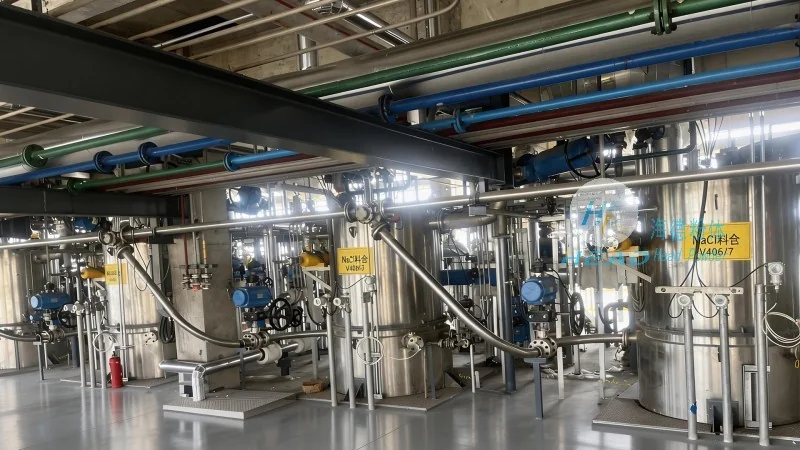
Other applications include the handling of high-temperature materials in chemical and petrochemical industries, where the system can transport materials like hot slurry or molten products. The versatility of the high-temperature pneumatic conveying system makes it suitable for a wide range of industrial applications.
Conclusion
High-temperature fly ash pneumatic conveying systems are advanced and reliable solutions for transporting high-temperature and abrasive materials. The system's design, which includes specialized components such as high-temperature air compressors and abrasion-resistant pipelines, ensures efficient and safe operation. By eliminating the need for mechanical conveying and providing an enclosed environment, these systems offer significant advantages in terms of maintenance, energy efficiency, and environmental compliance.
For industrial facilities dealing with high-temperature fly ash, investing in a high-quality pneumatic conveying system from a reputable manufacturer like Shandong HeadPowder Engineering Co., Ltd. can enhance operational efficiency and ensure compliance with environmental regulations. The company, with its expertise in engineering and manufacturing, provides tailored solutions that meet the specific needs of various industrial applications.




