Silicon dioxide, commonly known as silica, is a critical material in various industrial applications, including electronics, pharmaceuticals, and construction. The efficient and reliable transport of silicon dioxide is essential for maintaining production efficiency and product quality. This article provides an in-depth look at the operation process and working principle of silicon dioxide material conveying lines, highlighting the key components, operational steps, and technical considerations involved in the process.
About Shandong HeadPowder Engineering Co., Ltd.
Shandong HeadPowder Engineering Co., Ltd., operating under the brand name headpowder, is a leading manufacturer specializing in the design, development, and installation of material handling systems. With a strong focus on precision engineering and customer-centric solutions, headpowder has established itself as a trusted partner in the industry. The company's headquarters is located in Shandong, China, where it leverages advanced technology and experienced professionals to deliver high-quality conveying solutions tailored to the specific needs of clients.
Key Components of Silicon Dioxide Conveying Systems
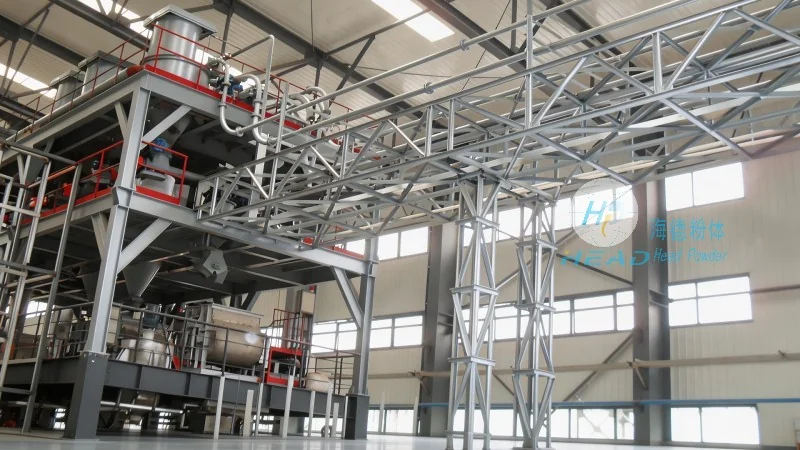
The silicon dioxide material conveying line typically consists of several key components that work in tandem to ensure smooth material transport. These components include feeders, conveyors (such as belt conveyors, screw conveyors, or pneumatic conveyors), storage hoppers, and control systems. Each component plays a crucial role in the overall operation, contributing to the efficiency and safety of the system.
Operation Process of Silicon Dioxide Material Conveying Lines
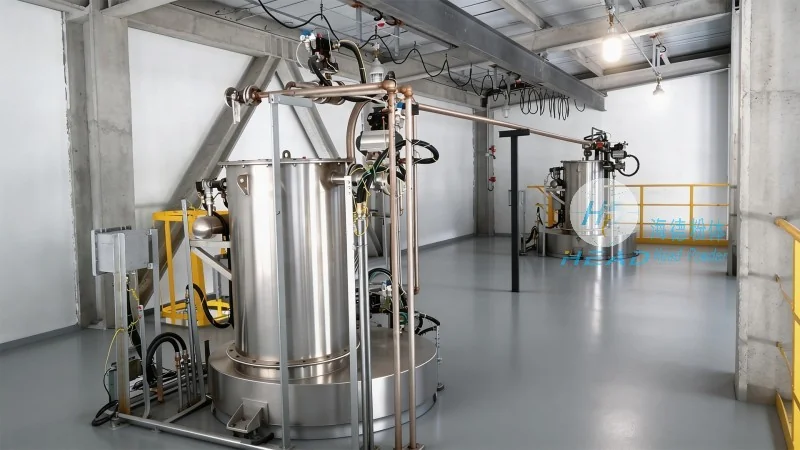
The operation process of a silicon dioxide material conveying line involves a series of sequential steps designed to move the material from its source to its destination. The process begins with the material being fed into the system, usually from a storage hopper or a bulk container. The feeder then regulates the flow of material into the conveyor, ensuring a consistent and controlled feed rate. The conveyor then transports the material through the system, possibly elevating or transporting it horizontally, depending on the design of the line. At intermediate points, the material may be transferred to different conveyors or processed through additional equipment, such as classifiers or screening devices, to ensure uniformity and quality. Finally, the material is discharged into a receiving hopper or container, completing the transport cycle.
Working Principle of Silicon Dioxide Conveying Systems
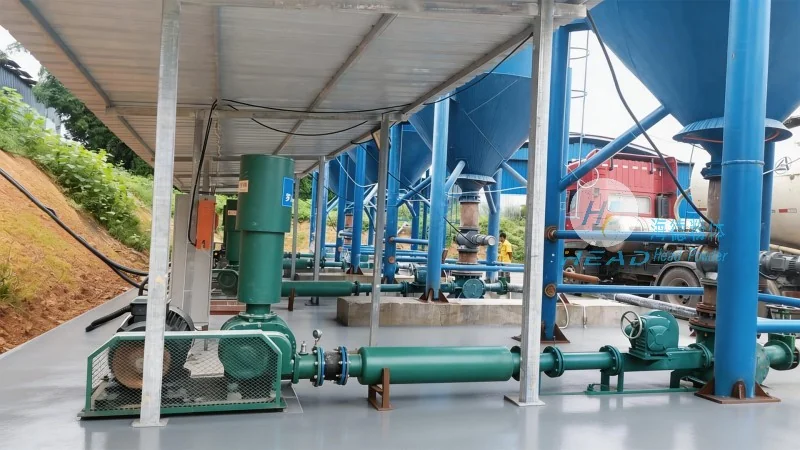
The working principle of silicon dioxide material conveying systems is based on mechanical or pneumatic forces that move the material through the system. For mechanical conveyors, such as belt or screw conveyors, the material is moved by the rotation of the conveyor components, which creates a frictional force that propels the material forward. The speed and tension of the conveyor belt or the rotation speed of the screw determine the rate of material transport. Pneumatic conveyors, on the other hand, use compressed air to create a flow of air that carries the material through a pipeline. The pressure and flow rate of the air are carefully controlled to ensure efficient and safe transport of the silicon dioxide.
Technical Considerations for Efficient Operation
Several technical considerations are essential for the efficient and reliable operation of silicon dioxide material conveying lines. First, the material characteristics, such as particle size, density, and moisture content, must be considered when selecting the appropriate conveyor type and operating parameters. For example, fine-grained silicon dioxide may require a pneumatic conveyor to avoid blockages, while larger particles may be better suited for mechanical conveyors. Second, the system must be designed to prevent material buildup and blockages, which can lead to downtime and equipment damage. This may involve the use of cleaning mechanisms, such as brushes or air jets, and proper maintenance schedules. Third, the control system must be capable of monitoring and adjusting the operation of the conveying line in real-time, ensuring optimal performance and safety. Advanced control systems, such as PLC (Programmable Logic Controller) systems, can provide precise control over the feed rate, conveyor speed, and other parameters, enhancing the overall efficiency of the system.
Benefits of Using Silicon Dioxide Material Conveying Lines
The use of silicon dioxide material conveying lines offers several benefits to industrial operations. First, the system provides a continuous and reliable method of transporting material, reducing the need for manual handling and improving workplace safety. Second, the efficient transport of material can increase production throughput and reduce downtime, leading to higher productivity and cost savings. Third, the system can be customized to meet the specific requirements of the application, ensuring optimal performance and compatibility with existing processes. Finally, the use of advanced materials and engineering techniques can extend the lifespan of the equipment and reduce maintenance costs over time.




