

Operation Process and Working Principle of Magnesium Sulfate Material Pneumatic Conveying System
Shandong HeadPowder Engineering Co., Ltd., a leading provider in the field of material handling solutions, specializes in the design, manufacturing, and installation of advanced pneumatic conveying systems. The company, commonly known as HeadPowder, is headquartered in Shandong, China, and has established a strong reputation for delivering reliable and efficient solutions tailored to the unique requirements of various industries.
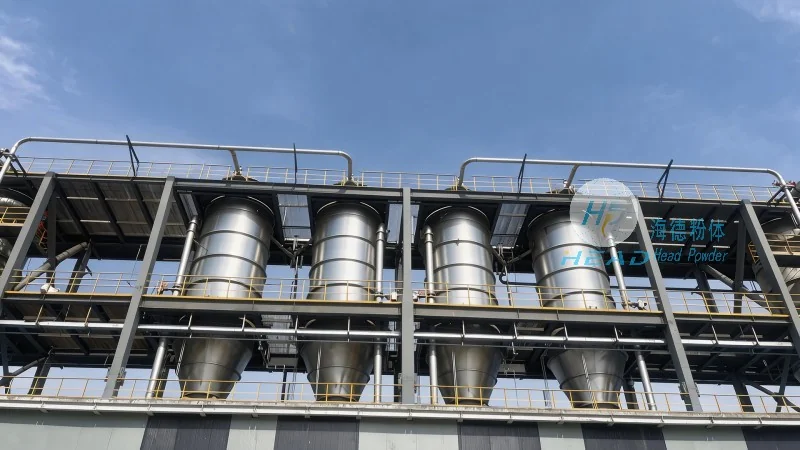
Pneumatic conveying systems are widely used for transporting bulk materials like magnesium sulfate, which is a critical raw material in industries such as pharmaceuticals, agriculture, and chemical manufacturing. The efficiency and safety of these systems are paramount, making it essential to understand their operation process and working principles.
Key Components of the Pneumatic Conveying System
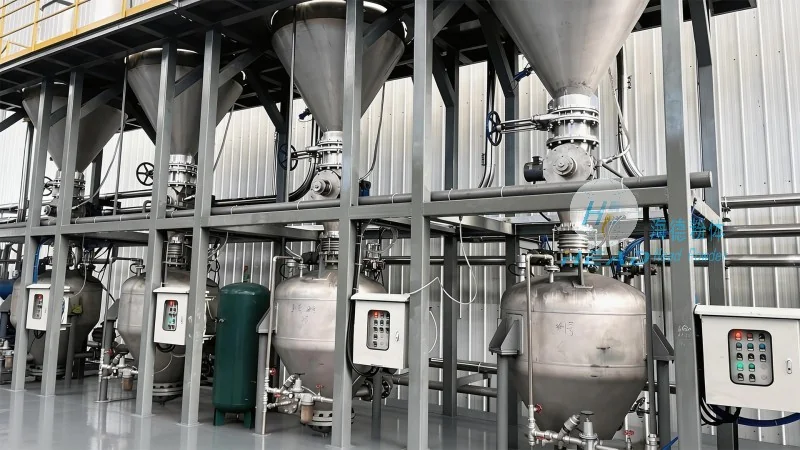
The operation of a magnesium sulfate material pneumatic conveying system involves several key steps and components that work in harmony to ensure smooth and continuous material transport. At the core of the system is the material feed hopper, which stores and feeds the magnesium sulfate into the conveying line. This hopper is equipped with a feeder, typically a rotary valve or a screw feeder, that controls the flow rate of the material into the system.
Once the material is introduced into the system, it is mixed with compressed air or a carrier gas. The air is supplied by a blower or a compressor, which generates the necessary pressure to move the material through the pipeline. The combination of the material and air creates a slurry or a dense phase flow, depending on the system design and operating conditions. The pipeline, usually made of stainless steel or other corrosion-resistant materials, is designed to withstand the pressure and the abrasive nature of the magnesium sulfate particles.
The Conveying Process and Working Principle
The conveying process begins as the air and material mixture travels through the pipeline. The velocity of the air is maintained at a level that ensures the material particles are fully suspended and carried along with the air stream. This velocity is critical; if it is too low, the material may settle and cause blockages, while if it is too high, excessive energy consumption and wear on the system components may occur.
As the mixture moves through the pipeline, it reaches the separation and collection equipment. This component, often a cyclone separator or a bag filter, separates the magnesium sulfate from the air. The separated material is collected in a discharge hopper or a storage bin, while the clean air is either recirculated back into the system or released to the atmosphere, depending on the system's design and environmental regulations.
The working principle of the pneumatic conveying system is based on the principles of fluid dynamics and particle mechanics. The system utilizes the kinetic energy of the air to lift and transport the solid particles. The pressure drop along the pipeline, caused by friction between the air and the pipe walls as well as the resistance offered by the material particles, is managed by the blower or compressor to maintain the required flow rate. The control system, which includes sensors and valves, monitors the pressure, flow rate, and material level, ensuring that the system operates within safe and efficient parameters.
Advantages and Operational Considerations
Key components of the magnesium sulfate pneumatic conveying system include the material feeder, the air supply unit (blower/compressor), the conveying pipeline, the separation equipment, and the control system. Each component plays a crucial role in the overall performance of the system. The feeder ensures a consistent material flow, the blower provides the necessary air pressure, the pipeline transports the material, the separator removes the material from the air, and the control system maintains optimal operation.
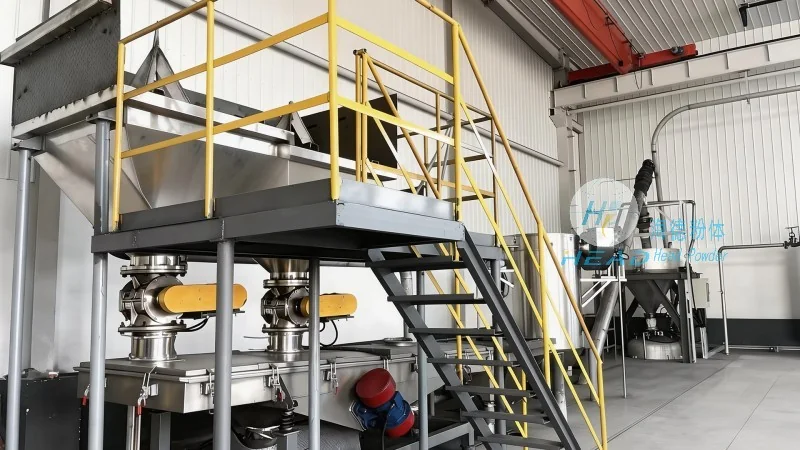
One of the primary advantages of pneumatic conveying systems for magnesium sulfate is their ability to handle fine and dusty materials without the need for additional equipment like conveyor belts or buckets. This not only reduces the risk of material contamination but also minimizes the need for cleaning and maintenance. Additionally, the enclosed system design helps in controlling dust emissions, making it environmentally friendly and compliant with industrial regulations.
Operation Process Overview
The operation process of the system typically starts with the preparation of the magnesium sulfate material, which may involve drying or screening to remove moisture or oversized particles. The material is then fed into the hopper, and the feeder is activated to start the material flow. The blower is started, and the air flow is adjusted to the desired level. The system is then monitored for any signs of blockages or pressure fluctuations. If the system operates smoothly, the magnesium sulfate is continuously transported to the destination, such as a storage silo or a processing unit.
Conclusion
In summary, the operation process and working principle of a magnesium sulfate material pneumatic conveying system involve a coordinated effort of various components working together to efficiently transport the material. From the initial feeding of the material to the final separation and collection, each step is carefully designed to ensure the system operates reliably and safely. Shandong HeadPowder Engineering Co., Ltd. specializes in providing such advanced systems, leveraging years of experience and expertise to meet the diverse needs of industries that rely on magnesium sulfate as a key component.