

Operation Process and Working Principle of Trilithium Material Pneumatic Conveying System
Shandong HeadPowder Engineering Co., Ltd., a leading provider in the field, specializes in the design, manufacturing, and implementation of advanced pneumatic conveying systems tailored for trilithium material handling. Trilithium, a critical component in modern battery technology, demands precise and efficient transport solutions to ensure quality and safety throughout the production chain. This article delves into the operational process and underlying principles of such systems, highlighting how they enhance material handling efficiency and reliability.
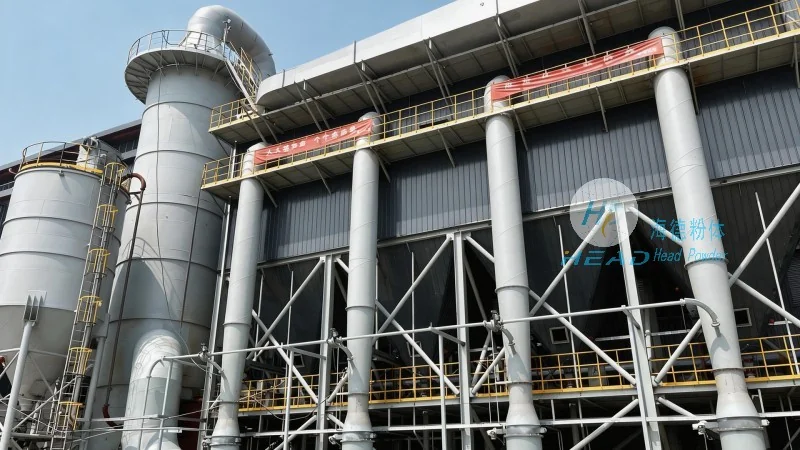
Working Principle of Pneumatic Conveying Systems
The core of a pneumatic conveying system lies in its ability to transport bulk materials using a pressurized or vacuum air stream. For trilithium materials, which are often fine powders or granules, the system typically employs a positive pressure method. This involves a blower or compressor that generates high-pressure air, which is then directed through a pipeline network. The material is introduced into the system at a specific point, often via a hopper or feeder, and is entrained by the air flow, moving through the pipeline to the discharge point. The system may include components such as cyclones, filters, and pressure vessels to manage the material-air mixture and ensure proper separation and collection.
Step-by-Step Operation Process
The operation of a trilithium material pneumatic conveying system follows a systematic sequence to ensure smooth and continuous material transport. Initially, the system is activated by the blower, which establishes the necessary air pressure. The trilithium material is then fed into the system, either manually or via an automated feeder, ensuring a consistent flow rate. As the material enters the pipeline, it is fully entrained by the high-velocity air stream, preventing clogging and maintaining uniform transport. The material travels through the pipeline network, which may include bends, expansions, or other components designed to handle the material's physical properties. At the discharge point, the system uses a cyclone or other separation device to separate the material from the air. The air is then filtered and discharged, while the trilithium material is collected in a designated container. The system continuously monitors pressure, flow rate, and other parameters to maintain optimal performance and detect any potential issues.
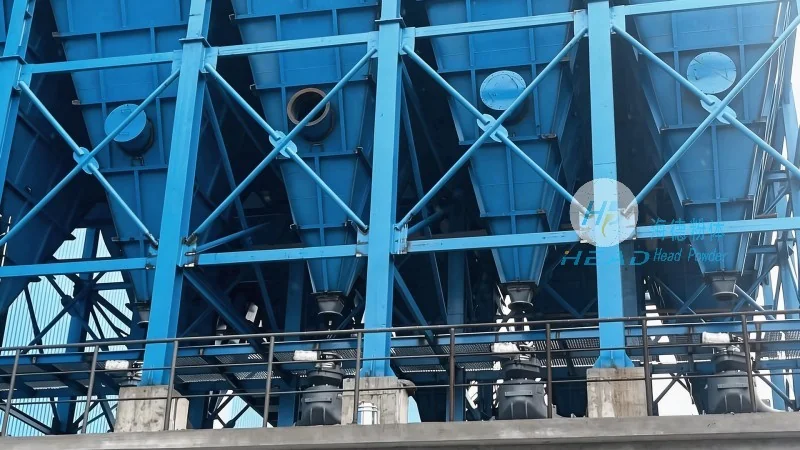
Key Components and Their Functions
Several critical components work in tandem to ensure the efficient operation of a trilithium material pneumatic conveying system. The blower or compressor serves as the power source, generating the air pressure required for material transport. The hopper or feeder provides a controlled introduction of the trilithium material, ensuring a steady flow. The pipeline network, often made of materials resistant to corrosion and abrasion (such as stainless steel or special polymers), transports the material and air mixture. Cyclones and filters are essential for separating the material from the air, preventing contamination and ensuring the air is clean before release. Pressure vessels and surge tanks may be included to regulate pressure and accommodate fluctuations in material supply or demand. Each component is carefully designed and integrated to optimize performance and durability, especially when handling sensitive materials like trilithium.
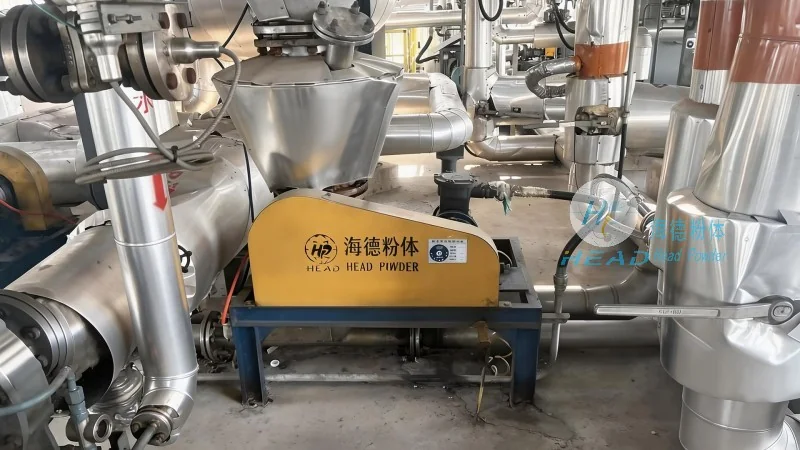
Advantages of Pneumatic Conveying for Trilithium Materials
Compared to traditional mechanical conveying methods, pneumatic systems offer several advantages for trilithium material handling. These include reduced risk of material contamination, as the system is enclosed and isolated from external environments. The enclosed pipeline also minimizes dust exposure, enhancing workplace safety and compliance with environmental regulations. Pneumatic systems are highly flexible, allowing for changes in material flow direction or destination without significant modifications. They are also capable of handling fine powders and granules that are difficult to transport using mechanical means, such as belts or screws. Additionally, the system can be integrated with automated controls, enabling real-time monitoring and adjustment to maintain optimal performance. For trilithium materials, which are often used in high-value battery applications, these advantages translate into improved product quality, reduced downtime, and enhanced overall operational efficiency.
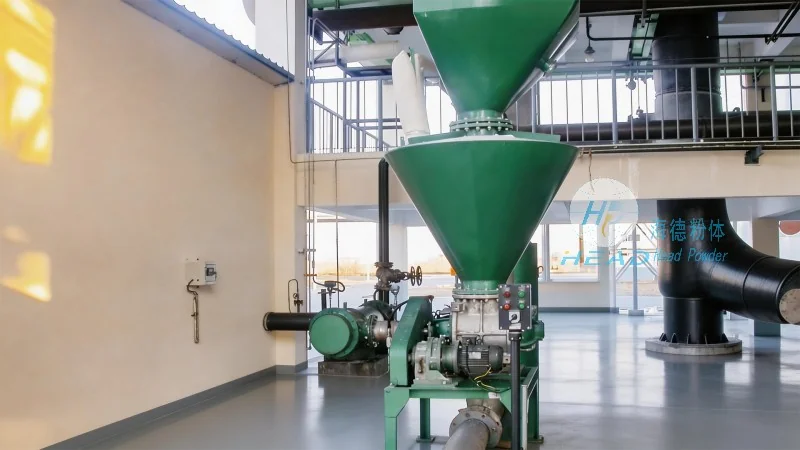
Application in the Battery Manufacturing Industry
Trilithium material pneumatic conveying systems play a vital role in the battery manufacturing industry, where the efficient handling of raw materials is critical to production throughput. In battery cell production lines, these systems are used to transport trilithium powder from storage silos to mixing and coating equipment. The enclosed and controlled transport ensures that the material remains free from moisture and contaminants, which can degrade its performance. The system's ability to handle fine powders at high speeds allows for consistent mixing and coating, leading to uniform battery cell performance. Additionally, the system's flexibility allows for integration with other production processes, such as material blending and quality control. By leveraging advanced pneumatic technology, manufacturers can optimize their material handling processes, reduce costs, and improve overall productivity.
Maintenance and Operational Considerations
Proper maintenance and operational considerations are essential to ensure the long-term performance and reliability of a trilithium material pneumatic conveying system. Regular inspection of components, such as the blower, filters, and pipeline, is necessary to detect and address any issues before they lead to system failure. The filters should be cleaned or replaced regularly to maintain air quality and prevent clogging. The pipeline should be checked for signs of wear or corrosion, which can affect material transport efficiency. Additionally, the system should be equipped with monitoring devices to track pressure, flow rate, and other parameters, allowing for timely adjustments. Proper training of operators is also crucial to ensure safe and efficient operation. By following these maintenance and operational guidelines, manufacturers can maximize the system's lifespan and minimize downtime, ensuring consistent and reliable material transport.