

Operation Process and Working Principle of Foamed Plastic Material Conveying Lines
For industries dealing with foamed plastic materials, the efficient and reliable operation of conveying lines is crucial to ensure smooth production workflows. This article delves into the operation process and working principles of foamed plastic material conveying lines, highlighting key components, operational steps, and the technical aspects that contribute to their effectiveness. The information is presented by Shandong HeadPowder Engineering Co., Ltd., a leading provider in the field, based in China.
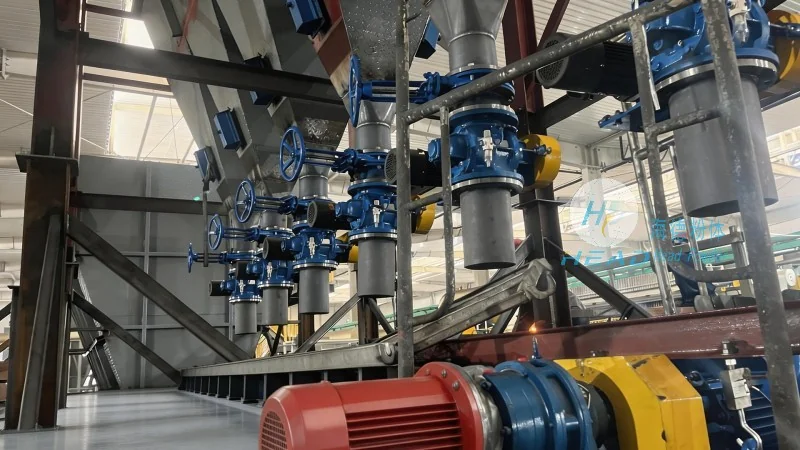
Introduction to Foamed Plastic Material Conveying Lines
Foamed plastic materials, such as polystyrene, polyethylene, and other lightweight, porous plastics, require specialized handling due to their unique physical properties. Conveying lines are designed to transport these materials from one processing stage to another with minimal degradation or loss. The systems typically integrate various components, including hoppers, feeders, conveyors, and control systems, to achieve seamless material transfer. Understanding the operation process and working principles of these lines is essential for optimizing production efficiency and maintaining material integrity.
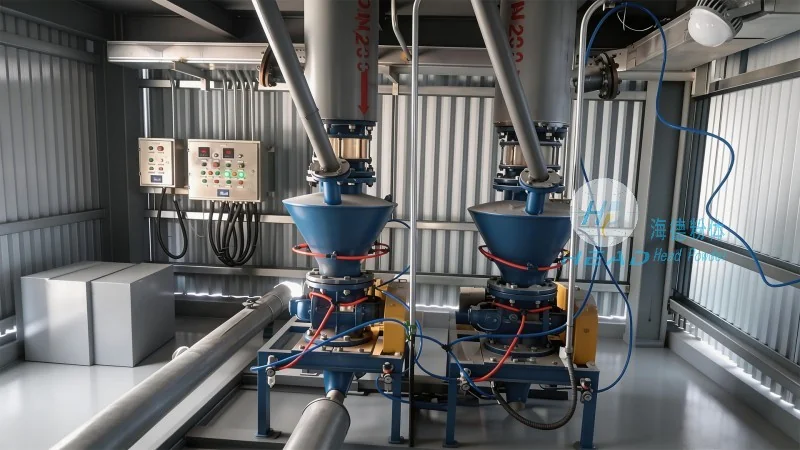
Key Components of Foamed Plastic Material Conveying Lines
The performance of a foamed plastic material conveying line depends on several critical components that work in harmony. The primary components include:
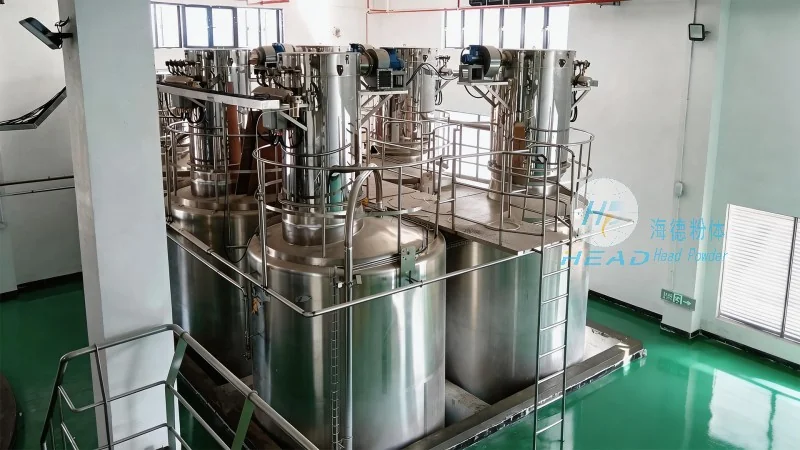
- Hoppers: These are storage containers that hold the foamed plastic material before it is fed into the conveying system. They are designed with sloped sides to facilitate material flow and prevent clogging. The hoppers are often equipped with level sensors to monitor material levels and trigger feeding actions when necessary.
- Feeders: Feeders are responsible for controlling the flow rate of the material from the hopper to the conveyor. Common types include vibratory feeders, screw feeders, and belt feeders. For foamed plastics, vibratory feeders are often preferred as they can handle the lightweight and irregular shapes of the material without causing excessive wear or damage.
- Conveyors: The conveyor system is the core of the conveying line, responsible for transporting the material through the production process. There are several types of conveyors used in foamed plastic applications, including belt conveyors, screw conveyors, and pneumatic conveyors. Belt conveyors are widely used for horizontal and slight incline transport, while screw conveyors are suitable for vertical or steep incline applications. Pneumatic conveyors, or air slides, are ideal for handling fine or powdery foamed plastics, as they use air pressure to move the material through a tube.
- Control Systems: Modern foamed plastic material conveying lines are equipped with advanced control systems that monitor and regulate the entire process. These systems include sensors for material level, flow rate, and temperature, as well as control panels that allow operators to adjust settings and troubleshoot issues. The control systems ensure that the conveying process operates within optimal parameters, minimizing downtime and maximizing productivity.
Operation Process of Foamed Plastic Material Conveying Lines
The operation process of a foamed plastic material conveying line involves several sequential steps that ensure the smooth and efficient transfer of material. The process typically begins with material loading into the hopper. Once the hopper is filled to a certain level, the feeder activates and begins to discharge the material at a controlled rate. The material then moves through the conveyor system, which transports it to the next processing stage, such as a molding machine or a packaging unit.
During the operation, the control system continuously monitors key parameters, such as material flow rate, conveyor speed, and hopper level. If any parameter deviates from the setpoint, the control system triggers corrective actions, such as adjusting the feeder speed or stopping the conveyor. This feedback loop ensures that the conveying process remains stable and efficient. Additionally, the system may include safety features, such as emergency stop buttons and overload protection, to prevent accidents and equipment damage.
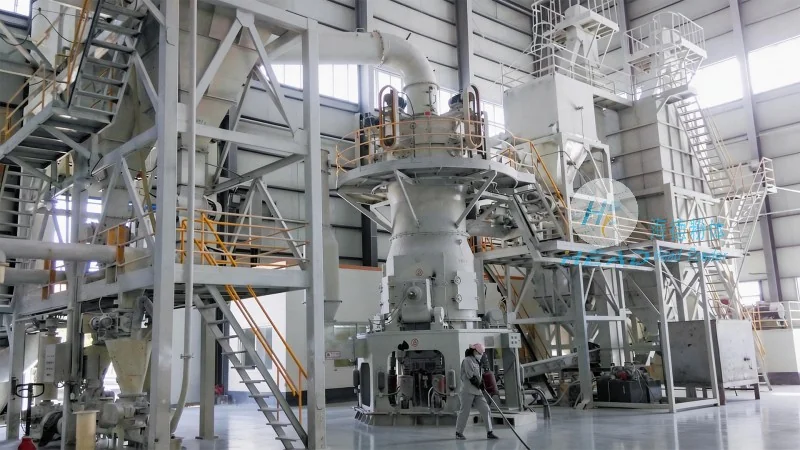
Working Principles of Foamed Plastic Material Conveying Lines
The working principles of foamed plastic material conveying lines are based on the physical properties of the material and the mechanical principles of conveying systems. The primary working principle is the transfer of material from a higher elevation to a lower elevation, or from one location to another, using mechanical or pneumatic forces. The specific principles vary depending on the type of conveyor used: