

Operation Process and Working Principle of a Wet Sodium Nitrate Material Conveying Line
Wet sodium nitrate is a critical raw material in various industrial applications, and efficient material handling is essential for maintaining production efficiency and safety. The conveying line designed by Shandong HeadPowder Engineering Co., Ltd. (referred to as HeadPowder) is engineered to handle this specific material with precision and reliability. This article provides a detailed overview of the operation process and working principle of the wet sodium nitrate material conveying line, highlighting key components, operational steps, and technical considerations.
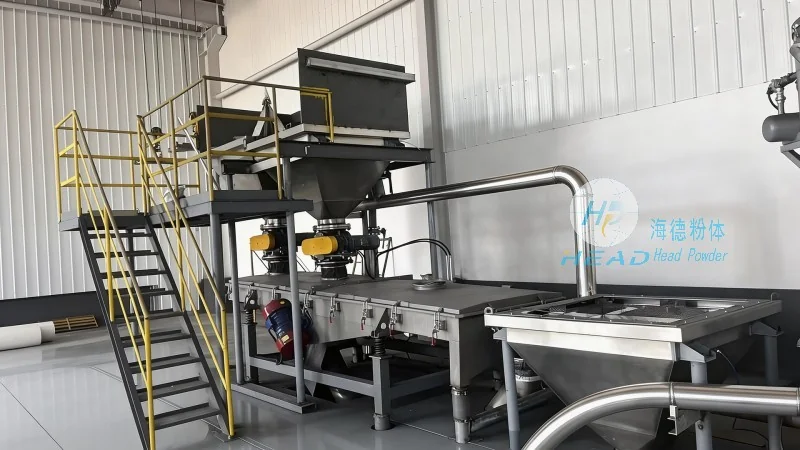
Overview of the Wet Sodium Nitrate Conveying Line
HeadPowder's wet sodium nitrate material conveying line is a specialized system tailored to the unique properties of wet sodium nitrate, which includes high moisture content and potential corrosiveness. The system integrates multiple components to ensure smooth material transport from the storage area to the processing unit. Key features include robust material handling equipment, moisture control mechanisms, and safety protocols to prevent accidents and ensure product integrity.
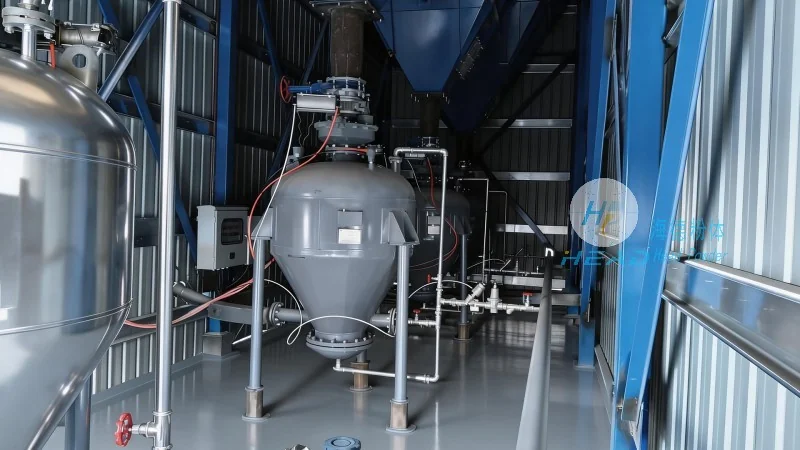
Key Components of the Conveying System
The conveying line consists of several critical components that work in tandem to achieve efficient material transport. These include:
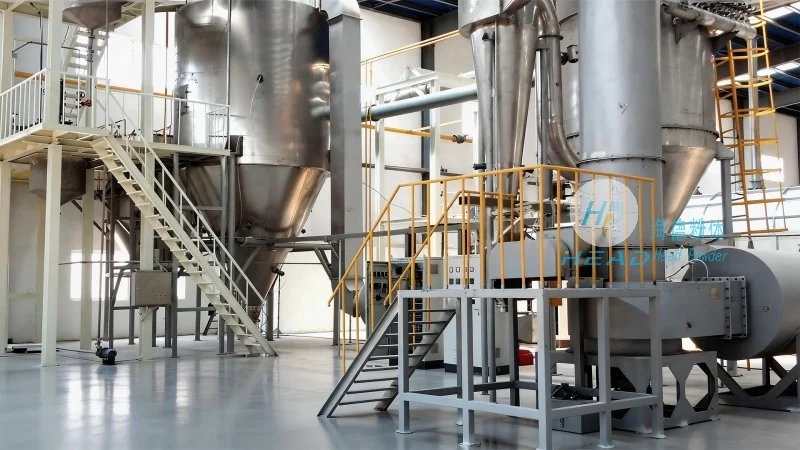
- Feeder Unit: The feeder is responsible for uniformly feeding wet sodium nitrate from the storage hopper into the conveyor system. It ensures a consistent flow rate, preventing overloading or underfeeding that could disrupt the entire process.
- Conveyor Belt System: A heavy-duty conveyor belt, often made of corrosion-resistant materials such as rubber or polyurethane, transports the wet sodium nitrate through the system. The belt is designed to handle high moisture content without slipping or tearing, maintaining stability during operation.
- Pulley and Drive Mechanism: The pulley system and motor-driven drive ensure continuous and controlled movement of the conveyor belt. This component is crucial for maintaining the desired speed and preventing downtime due to mechanical failures.
- Moisture Control Module: To manage the high moisture content of the material, the system includes a moisture control module. This may involve drying or conditioning steps to reduce moisture levels to an acceptable range before further processing, ensuring optimal performance of downstream equipment.
- Safety and Monitoring Systems: Integrated safety features, such as emergency stop buttons, overload sensors, and real-time monitoring systems, are essential to protect operators and equipment from potential hazards. These systems provide immediate alerts and control measures to prevent accidents.
Operation Process of the Conveying Line
The operation of the wet sodium nitrate material conveying line follows a systematic process to ensure efficient and safe material transport. The steps are as follows:
- Material Loading: Wet sodium nitrate is loaded into the storage hopper from bulk containers or trucks. The hopper is equipped with a level sensor to monitor the material level and trigger the feeder when needed.
- Feeder Activation: Once the material level reaches a set point, the feeder activates and begins feeding the material into the conveyor belt. The feeder maintains a consistent flow rate based on the processing requirements.
- Belt Transport: The material is transported along the conveyor belt from the feeder to the discharge point. The belt speed is controlled to match the processing capacity of the downstream equipment.
- Moisture Conditioning: If the material requires moisture adjustment, the conveyor passes through the moisture control module. This module may use heat or drying agents to reduce moisture content to the optimal level for processing.
- Discharge and Processing: The conditioned material is discharged from the conveyor belt into the processing unit, such as a mixer or reactor. The discharge point is designed to minimize spillage and ensure smooth transfer to the next stage.
- System Monitoring: Throughout the operation, the monitoring systems track key parameters such as belt speed, material flow rate, and moisture levels. Any deviations are immediately detected and corrected to maintain system efficiency.
Working Principle of the Conveying Line
The working principle of the wet sodium nitrate conveying line is based on mechanical energy transfer and material flow dynamics. The system relies on the following fundamental principles:
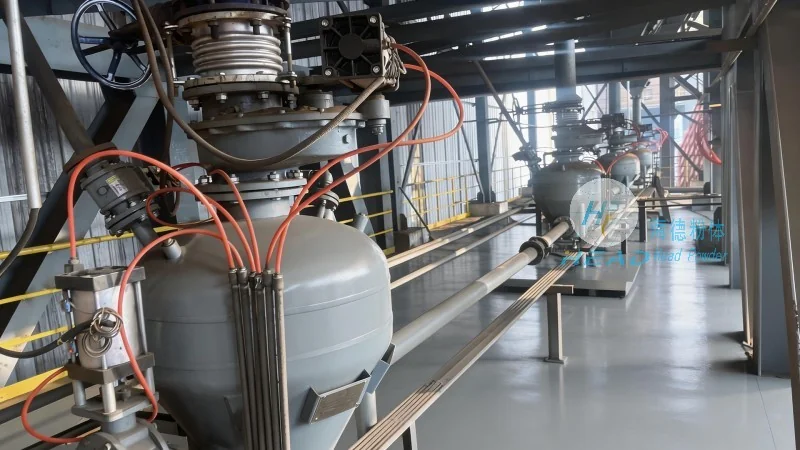
- Gravity and Mechanical Force: The conveyor belt uses mechanical force from the drive system to move the material along the designated path. The slope of the conveyor may be adjusted to utilize gravity for additional material movement, reducing energy consumption.
- Moisture Management: The moisture control module plays a critical role in maintaining the material's properties. By controlling moisture levels, the system ensures that the material remains in a stable state, preventing caking or clumping that could affect downstream processing.
- Safety and Control: Integrated safety systems ensure that the operation is monitored and controlled in real-time. Sensors and control panels provide operators with immediate feedback on system performance, allowing for quick adjustments to maintain optimal operation.
- Corrosion Resistance: The materials used in the conveying line, such as the belt and pulleys, are selected for their resistance to corrosion caused by the wet sodium nitrate. This ensures the longevity of the equipment and reduces maintenance costs.
Benefits of Using the Wet Sodium Nitrate Conveying Line
Implementing the wet sodium nitrate material conveying line from HeadPowder offers several benefits for industrial operations: