Gray calcium material pneumatic conveying equipment is a critical industrial device used for the efficient transportation of gray calcium powder in various processing applications. This equipment is engineered to handle fine powders over long distances or within complex processing systems, ensuring high efficiency and minimal product degradation. Understanding the operation process and working principle of such equipment is essential for optimizing performance and ensuring reliability in industrial settings.

Overview of Gray Calcium Material Pneumatic Conveying Equipment
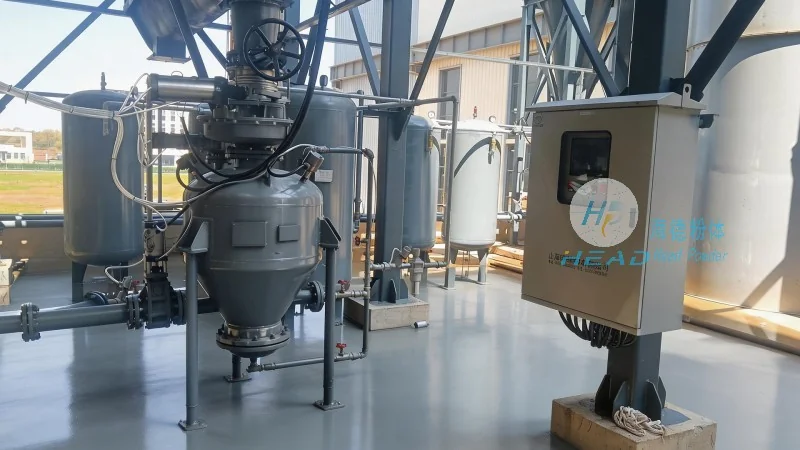
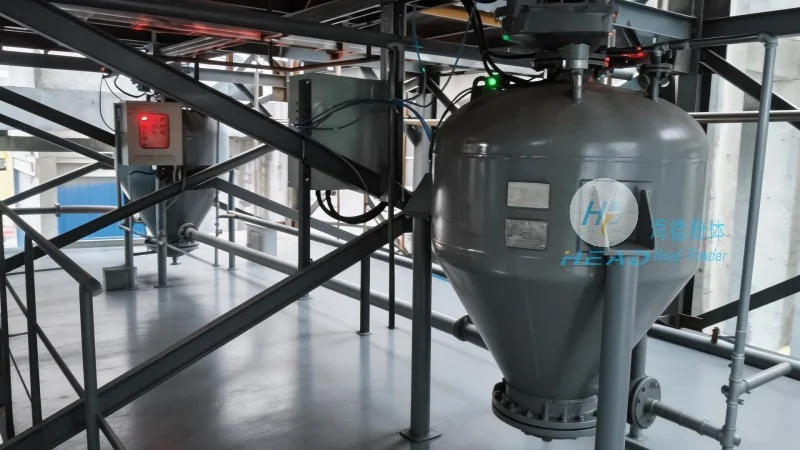
Gray calcium material, commonly known as calcium carbonate, is widely utilized in industries including construction, pharmaceuticals, food processing, and chemicals. The pneumatic conveying system for this material is designed to transport bulk powders with precision, often replacing traditional mechanical methods like belts or buckets. The equipment typically consists of a hopper, a feeder, a conveyor line, a dust collector, and a control system. Each component works in tandem to facilitate smooth material flow and effective dust management, making it a preferred choice for handling fine, abrasive powders.
Working Principle of Pneumatic Conveying Systems
The fundamental working principle of pneumatic conveying equipment involves the use of air or gas to transport solid materials. In the case of gray calcium material, the system operates by creating a pressure differential between the inlet and outlet of the conveyor line. A blower or compressor generates the necessary air pressure, which entrains the powder particles and moves them through the pipeline. This method eliminates direct mechanical contact between the material and equipment, reducing wear and tear while ensuring consistent flow rates. The air velocity is carefully controlled to fully entrain the powder particles, preventing clogging and maintaining system efficiency.
Step-by-Step Operation Process
The operation process of gray calcium material pneumatic conveying equipment can be broken down into several key stages. First, the material is fed into the hopper from a storage silo or bulk container. The hopper is equipped with a feeder, such as a rotary valve or screw feeder, which regulates the flow rate of the material. Next, the material is released into the conveyor line, where it is mixed with the air stream. The air velocity is adjusted to ensure the powder particles are fully suspended and transported to the destination point. The conveying line may include bends, expansions, or reductions, which are designed to handle the material flow efficiently without causing blockages. At the receiving end, the material is deposited into a collection bin or processing unit. A dust collection system, often with filters or cyclones, captures any fine particles that escape, ensuring environmental compliance and product purity.
Key Components and Their Functions
Several critical components contribute to the effective operation of gray calcium material pneumatic conveying equipment. The hopper serves as the storage and feeding unit, providing a consistent supply of material to the system. The feeder controls the material flow rate, preventing overloading or underloading of the conveyor line. The blower or compressor generates the air pressure needed to move the material, with adjustable speed settings to match different material characteristics. The conveyor line, typically made of stainless steel or PVC, is designed to withstand the abrasive nature of gray calcium powder. The dust collector captures fine particles and returns them to the system, reducing waste and improving efficiency. The control system monitors and adjusts parameters such as air pressure, flow rate, and material level, ensuring optimal operation.
Advantages of Pneumatic Conveying for Gray Calcium Material
There are several advantages to using pneumatic conveying equipment for gray calcium material. Firstly, it offers high efficiency in material transportation, moving large quantities of powder over long distances with minimal energy consumption. The system is also flexible, allowing for changes in material flow rates and destinations without major modifications. Additionally, pneumatic conveying reduces product contamination and degradation compared to mechanical systems, as there are no direct contact points between the material and equipment. This is particularly important for gray calcium material, which is often used in applications where purity is critical. The system also enhances workplace safety by eliminating manual handling of bulk materials, reducing dust exposure and accident risks.
Applications and Industries
Gray calcium material pneumatic conveying equipment is widely used in various industries that require fine powder handling. In the construction industry, it is used to transport calcium carbonate for cement production and concrete mixing. In the pharmaceutical industry, it is used to convey raw materials for drug manufacturing, ensuring a clean and controlled environment. The food processing industry utilizes this equipment to transport calcium carbonate as a food additive or supplement. Other applications include the chemical industry (for coatings and pigments) and the paper industry (as a filler in paper production). The versatility of the system makes it suitable for a wide range of industrial processes.
Maintenance and Operational Considerations
Proper maintenance is essential to ensure the long-term performance and reliability of gray calcium material pneumatic conveying equipment. Regular cleaning of the hopper, feeder, and conveyor line is necessary to prevent clogging and material buildup. The air filter and dust collector should be inspected and replaced as needed to maintain air quality and system efficiency. The blower or compressor should be checked for proper operation and lubricated regularly to prevent wear and tear. The control system should be calibrated periodically to ensure accurate monitoring and adjustment of operational parameters. Proper training of operators is also crucial to ensure safe and efficient operation. By following these maintenance and operational guidelines, the equipment can operate at peak performance, minimizing downtime and maximizing productivity.
Conclusion
Gray calcium material pneumatic conveying equipment is a highly efficient and reliable solution for the transportation of fine powders in industrial applications. The operation process and working principle of such equipment involve the use of air to transport material through a series of components, ensuring high efficiency and minimal product degradation. The equipment is designed to handle the unique characteristics of gray calcium material, including its fine particle size and abrasive nature. With proper maintenance and operational considerations, this equipment can provide long-term performance and contribute to the overall productivity of industrial processes. As a leading manufacturer in this field, Shandong HeadPowder Engineering Co., Ltd. specializes in providing high-quality pneumatic conveying systems tailored to the specific needs of gray calcium material processing, ensuring optimal performance and customer satisfaction.




