HeadPowder, a leading manufacturer based in Shandong, China, specializes in providing advanced solutions for the transportation of fly ash powder. The equipment designed by HeadPowder Engineering Co., Ltd. is engineered to handle the unique challenges associated with fly ash, a byproduct of coal combustion in thermal power plants. This article delves into the operational process and underlying principles of the fly ash powder conveying system, highlighting its efficiency, reliability, and technological advancements.
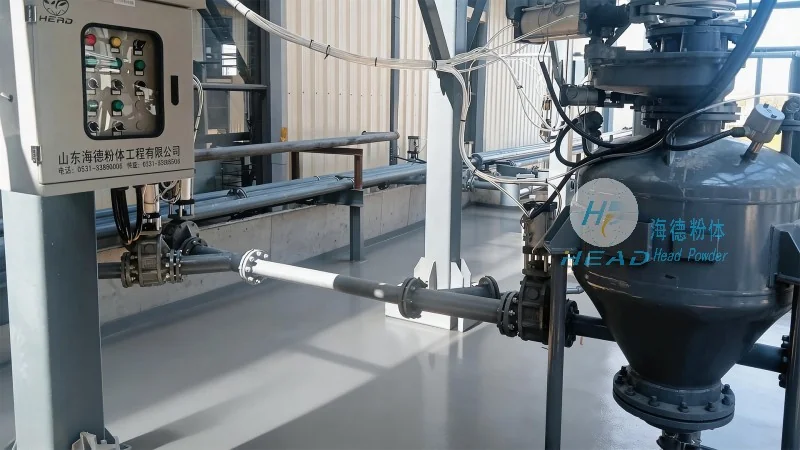
Key Components of the Conveying System
The fly ash powder conveying equipment typically consists of several critical components that work in tandem to ensure smooth material transport. These include the hopper for material storage, a rotary valve or feeder for controlled discharge, a pipeline system (often using flexible hoses or rigid pipes), and a motor-driven blower or air compressor to generate the necessary airflow. Each component plays a vital role in maintaining the integrity of the fly ash particles and preventing clogging or blockages.
Working Principle of the Conveying Process
The operation of the fly ash powder conveying system is based on the principle of pneumatic conveying, where the material is suspended and transported through a pipeline using compressed air. The process begins with the fly ash being fed into the hopper from the ash collection system. The rotary valve then regulates the flow of ash into the pipeline, ensuring a consistent and controlled discharge rate. Simultaneously, the blower generates a high-pressure airflow that travels through the pipeline, creating a low-pressure zone downstream. This pressure differential draws the fly ash particles into the air stream, where they are carried along the pipeline to the destination point, such as a storage silo or processing facility.
Operation Process Step-by-Step
The entire operation of the fly ash powder conveying equipment can be broken down into several sequential steps, each contributing to the efficient and safe transport of the material:
1. Material Loading: Fly ash is collected from the boiler or electrostatic precipitator and transferred into the hopper. The hopper is designed with a sloped bottom to facilitate easy discharge.
2. Feeding and Control: The rotary valve or feeder at the bottom of the hopper controls the rate of ash discharge into the pipeline. This step is crucial for maintaining a stable flow rate and preventing overloading or underloading of the system.
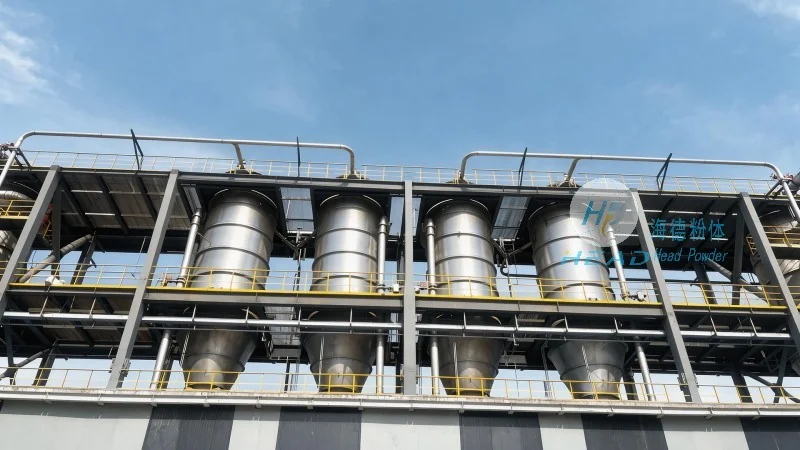
3. Air Compression: The blower or air compressor is activated, generating a compressed air stream at a pressure sufficient to overcome the resistance in the pipeline and lift the fly ash particles.
4. Pneumatic Conveying: The compressed air, now mixed with the fly ash particles, travels through the pipeline. The air velocity is maintained at a level that keeps the particles suspended, avoiding settlement or blockage.
5. Delivery and Discharge: At the receiving end of the pipeline, the air and ash mixture is directed into a receiving hopper or silo. The air is then separated from the ash, often using a cyclone separator or filter, and the clean air is discharged to the atmosphere. The fly ash is collected in the receiving hopper for further use or disposal.
Advantages of the Fly Ash Powder Conveying Equipment
The fly ash powder conveying system offers several advantages over traditional methods such as bucket elevators or belt conveyors. These include:
• Reduced Maintenance: Pneumatic conveying systems have fewer moving parts compared to mechanical conveyors, leading to lower maintenance costs and longer service life.
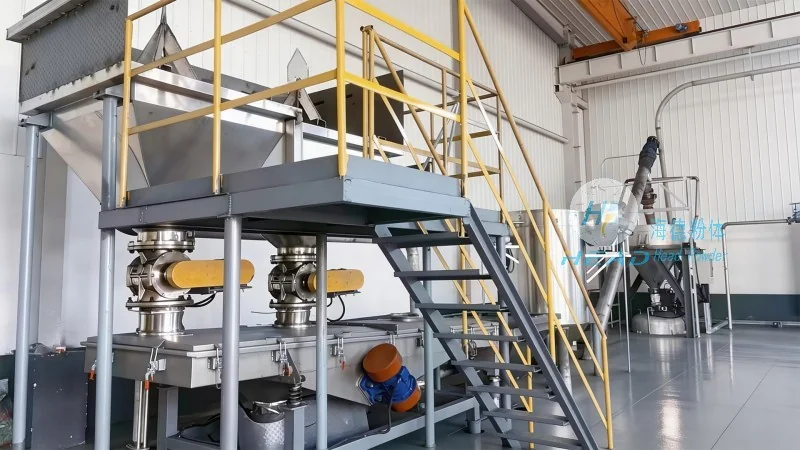
• Space Efficiency: The equipment can be installed in confined spaces due to its flexible pipeline design, making it suitable for industrial facilities with limited floor space.
• Environmental Benefits: The system minimizes dust emissions during transport, as the material is enclosed within the pipeline, reducing the risk of airborne contamination.
• Versatility: The conveying equipment can handle a wide range of particle sizes and moisture contents, making it adaptable to various fly ash characteristics.
Technical Specifications and Customization
HeadPowder Engineering Co., Ltd. provides customized solutions tailored to the specific requirements of each client. The technical specifications of the fly ash powder conveying equipment can vary based on factors such as the volume of fly ash to be transported, the distance of the pipeline, and the desired flow rate. Common specifications include:
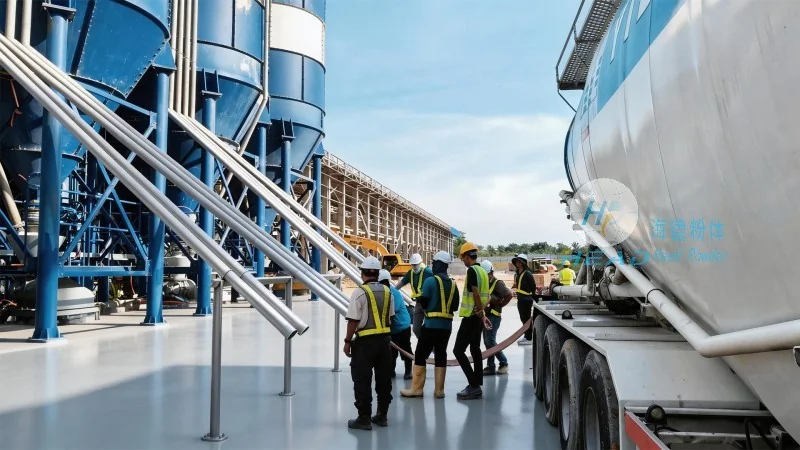
• Pipeline Diameter: Typically ranges from 100mm to 300mm, depending on the material flow rate.
• Air Pressure: Operates at pressures between 0.5 to 1.5 bar, ensuring efficient particle suspension.
• Motor Power: The blower motor power can range from 5 to 50 kW, depending on the system size and conveying distance.
• Material Handling Capacity: Can handle up to several hundred tons per hour, depending on the design and configuration.
Conclusion
HeadPowder Engineering Co., Ltd., based in Shandong, China, offers reliable and efficient fly ash powder conveying equipment that leverages pneumatic conveying technology to transport fly ash safely and effectively. By understanding the operation process and working principles of this equipment, industrial facilities can optimize their fly ash management processes, reduce operational costs, and enhance overall productivity. The advanced design and customization options provided by HeadPowder ensure that the equipment meets the specific needs of each application, making it a preferred choice for power plants and other industrial sectors dealing with fly ash.




