

Operation Process and Working Principle of Beer Brewery Pelletized Waste Solids Conveying System
Beer brewery pelletized waste solids conveying systems are critical components in modern brewing operations, designed to efficiently handle and transport the solid byproducts generated during the brewing process. These systems ensure that waste materials, such as spent grain and other residues, are managed in a controlled manner, minimizing environmental impact and optimizing operational efficiency. The following content provides a detailed overview of the operation process and working principle of such systems, highlighting the key technologies and methodologies employed by Shandong HeadPowder Engineering Co., Ltd., a leading provider in this field.
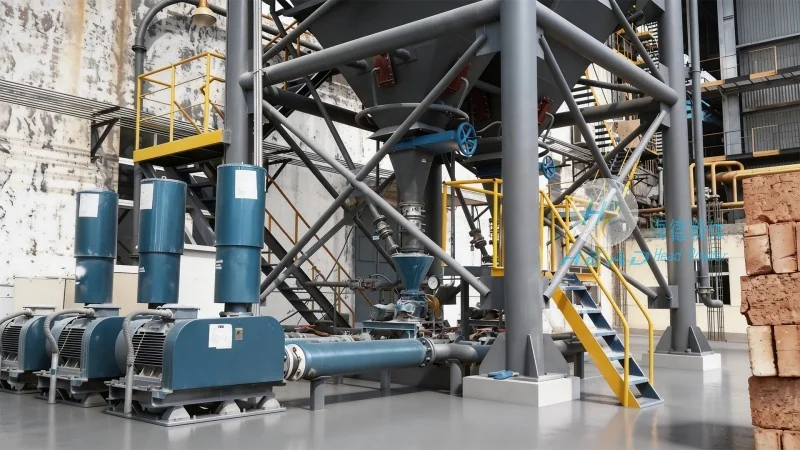
Company Background and Expertise
HeadPowder, the brand under Shandong HeadPowder Engineering Co., Ltd., specializes in the design, manufacturing, and installation of advanced conveying systems for various industrial applications, including the brewing industry. With a strong focus on innovation and customer-centric solutions, HeadPowder has established itself as a trusted partner for breweries seeking reliable and efficient waste management solutions. The company’s headquarters is located in Shandong, China, where it leverages local expertise and resources to deliver high-quality products and services tailored to the unique needs of the brewing sector.
Overview of the Beer Brewery Pelletized Waste Solids Conveying System
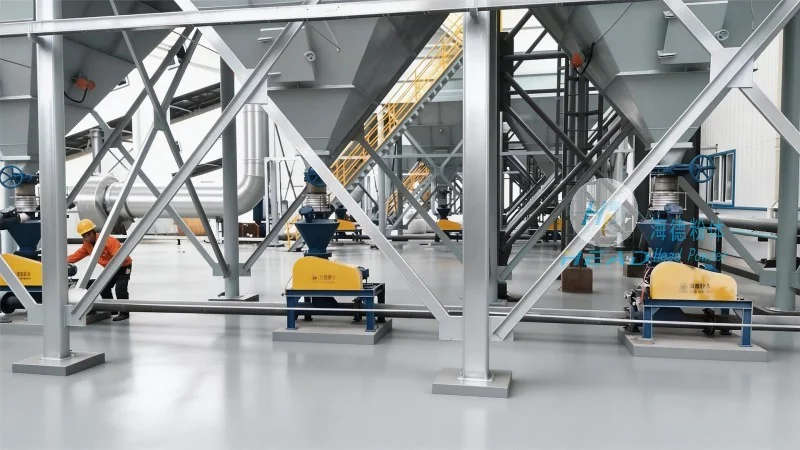
The beer brewery pelletized waste solids conveying system is engineered to process and transport spent grain and other solid waste materials from the brewing process. The system typically consists of several key components, including a feeding mechanism, a conveying device (such as a screw conveyor or pneumatic system), and a control unit. The primary goal is to convert the waste solids into a manageable form, often through pelletization, and then transport them to designated disposal or recycling facilities. This process not only reduces the volume of waste but also enhances the efficiency of downstream operations, such as waste treatment and resource recovery.
Operation Process of the Conveying System
The operation of the beer brewery pelletized waste solids conveying system follows a systematic sequence of steps, ensuring smooth and continuous material handling. The process begins with the collection of spent grain from the brewing tanks or filtration stages. The waste is then fed into a pre-processing unit, where it may undergo drying or conditioning to improve its flow characteristics. Next, the material is introduced into a pelletizer, which compresses and shapes the waste into uniform pellets. The pelletized material is then transferred to a conveyor system, which transports the pellets to a storage or processing area. The control unit monitors the entire process, adjusting parameters such as feed rate, conveyor speed, and pressure to maintain optimal performance. This integrated approach ensures that the system operates efficiently, minimizing downtime and maximizing throughput.
Working Principle of the Conveying System
The working principle of the beer brewery pelletized waste solids conveying system is based on the principles of mechanical and pneumatic conveying, tailored to handle solid waste materials. The system utilizes a combination of gravity, pressure, and vacuum to move the pellets through the conveying line. For example, a screw conveyor employs rotating screws to push the material forward, while a pneumatic system uses compressed air to create a flow of air and material through a pipeline. The choice of conveying method depends on factors such as the material's characteristics, the required distance of transport, and the desired level of automation. In the case of the beer brewery system, a screw conveyor is often preferred due to its ability to handle wet or sticky materials, which are common in spent grain. The system's control unit plays a crucial role in regulating the flow of material, ensuring that the conveyor operates at the optimal speed and pressure to prevent blockages or inefficiencies.
Key Components and Their Functions
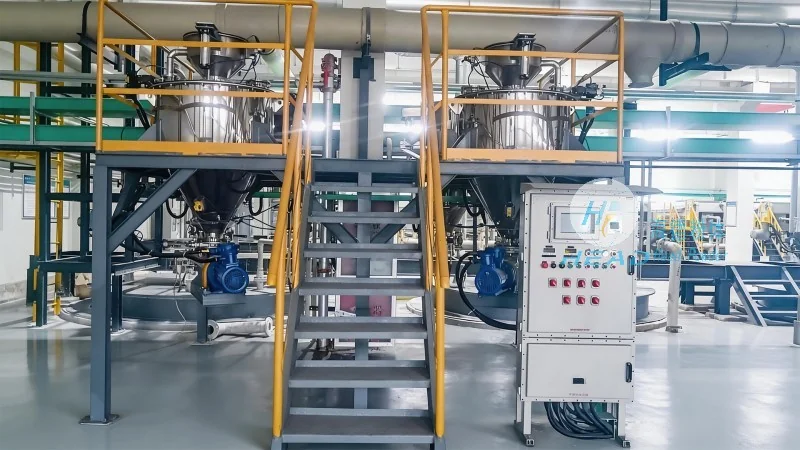
Several critical components contribute to the effective operation of the beer brewery pelletized waste solids conveying system. The feeding mechanism, typically a hopper or rotary valve, ensures a consistent and controlled supply of waste material to the system. The pelletizer, which may be a disk or ring die type, compresses the waste into pellets, improving its handling properties and reducing dust generation. The conveying device, such as a screw or pneumatic conveyor, transports the pellets to the desired location. The control unit, equipped with sensors and actuators, monitors and adjusts the system's parameters in real-time. Additionally, the system may include a dust collection system to capture any airborne particles, ensuring compliance with environmental regulations and maintaining a clean working environment.
Benefits and Advantages of the System
The beer brewery pelletized waste solids conveying system offers numerous benefits to breweries, including improved operational efficiency, reduced waste volume, and enhanced environmental sustainability. By converting waste into pellets, the system reduces the space required for storage and disposal, making it easier to manage waste materials. The efficient conveying process minimizes downtime and labor costs, as the system can operate continuously with minimal human intervention. Furthermore, the system helps breweries comply with environmental regulations by ensuring that waste is handled in a controlled manner, reducing the risk of contamination or pollution. The use of advanced materials and technologies in the system also contributes to its durability and longevity, providing a long-term solution for waste management.
Application and Integration in Brewing Operations
The beer brewery pelletized waste solids conveying system is designed to integrate seamlessly with existing brewing processes. It can be installed as a standalone unit or integrated into a larger waste management system, working in conjunction with other equipment such as dryers or composters. The system's modular design allows for easy expansion or modification to accommodate changes in production volume or waste characteristics. This flexibility makes it suitable for both small and large breweries, providing a scalable solution that grows with the business. The system's compatibility with various materials and its ability to handle different production rates make it a versatile choice for breweries seeking to optimize their waste management processes.
Maintenance and Operational Considerations
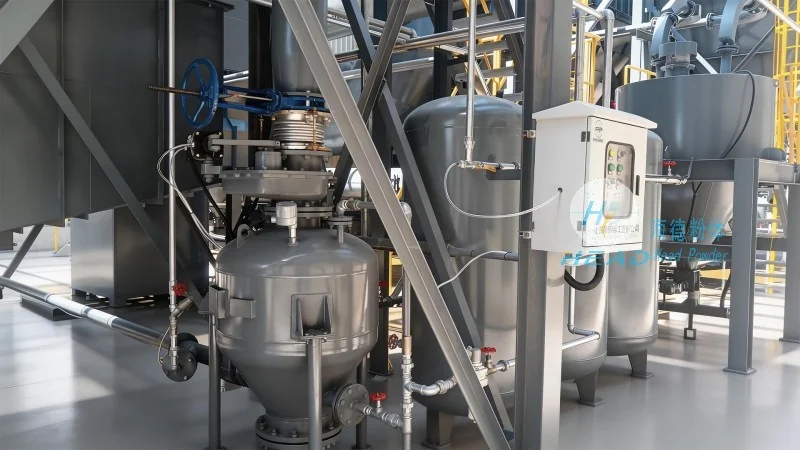
To ensure the long-term performance and reliability of the beer brewery pelletized waste solids conveying system, regular maintenance and proper operational practices are essential. The system should be inspected regularly for signs of wear and tear, such as worn screws or damaged conveyor belts. Cleaning the system periodically, especially after handling wet or sticky materials, helps prevent blockages and maintains optimal performance. The control unit should be checked for proper functioning, ensuring that sensors and actuators are working correctly. Additionally, the system's components should be lubricated as per the manufacturer's recommendations to reduce friction and extend their lifespan. Proper training of operators on the system's operation and maintenance is also crucial to prevent accidents and ensure efficient operation. By following these guidelines, breweries can maximize the system's lifespan and minimize downtime, ensuring consistent and reliable waste management.
Conclusion
The beer brewery pelletized waste solids conveying system, developed by Shandong HeadPowder Engineering Co., Ltd., represents a sophisticated and efficient solution for managing the solid waste generated in the brewing process. Through its integrated design and advanced technologies, the system effectively processes and transports waste materials, reducing environmental impact and improving operational efficiency. The system's benefits, including reduced waste volume, lower labor costs, and enhanced sustainability, make it an attractive option for breweries seeking to optimize their waste management processes. With its robust construction and reliable performance, the system provides a long-term solution for breweries, helping them meet regulatory requirements and maintain a competitive edge in the industry. As the brewing industry continues to evolve, the importance of efficient waste management will only increase, making systems like this a critical investment for breweries looking to thrive in the future.