For industrial applications involving ferrous oxide powder, the efficient and reliable transport of this material is crucial. The operation process and working principle of a specialized conveying system designed for ferrous oxide powder play a pivotal role in ensuring smooth production workflows. This article provides an in-depth exploration of how such a system functions, detailing the key components, operational steps, and the underlying principles that enable effective powder handling.
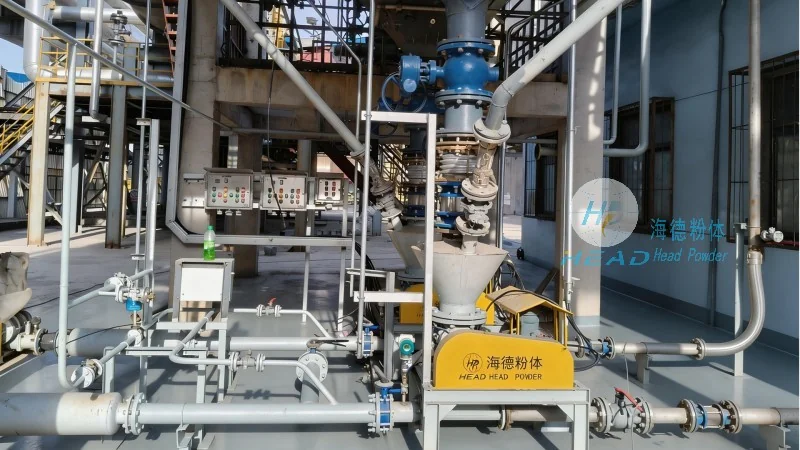
Introduction to Ferrous Oxide Powder Conveying Systems
Ferrous oxide, commonly known as iron oxide, is a widely used powder in various industries, including chemical manufacturing, metallurgy, and pharmaceuticals. The handling of this material requires specialized equipment due to its fine particle size and potential for dust generation. A dedicated conveying system is essential to maintain product quality, ensure safety, and optimize operational efficiency. The system typically integrates multiple components, such as feeders, conveyors, and control mechanisms, working in tandem to transport the powder from one location to another within a production facility.
Key Components of the Ferrous Oxide Powder Conveying System
The ferrous oxide powder conveying system comprises several critical components that work together to achieve seamless material transport. The primary components include a material feeder, a conveyor mechanism (often a pneumatic or mechanical conveyor), a control unit, and a dust collection system. The material feeder is responsible for regulating the flow of ferrous oxide powder into the system, ensuring a consistent and controlled feed rate. This component is crucial for preventing overloading or underloading, which can affect the system's performance and product quality. The conveyor mechanism, which may be a pneumatic conveyor using air pressure or a mechanical conveyor like a screw or belt conveyor, transports the powder through the system. The control unit manages the operation of the feeder and conveyor, adjusting parameters based on real-time conditions to maintain optimal performance. Additionally, a dust collection system is integrated to capture any airborne particles, ensuring compliance with safety regulations and maintaining a clean working environment.
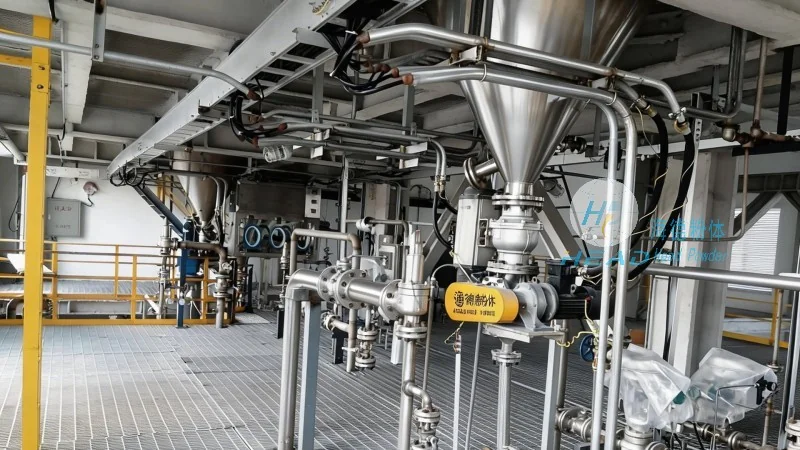
Operation Process of the Ferrous Oxide Powder Conveying System
The operation process of the ferrous oxide powder conveying system involves a series of sequential steps that ensure the material is transported efficiently and safely. The process begins with the loading of ferrous oxide powder into the hopper of the material feeder. The feeder then regulates the flow of powder into the conveyor system, maintaining a consistent feed rate. The conveyor mechanism then transports the powder through the system, typically to a storage silo, processing unit, or packaging area. The control unit continuously monitors the system's performance, adjusting the feeder speed or conveyor speed as needed to maintain the desired flow rate. The dust collection system operates in parallel, capturing any particles that escape during the conveying process and filtering them to prevent environmental contamination. This integrated approach ensures that the entire operation is controlled and optimized for maximum efficiency and minimal waste.
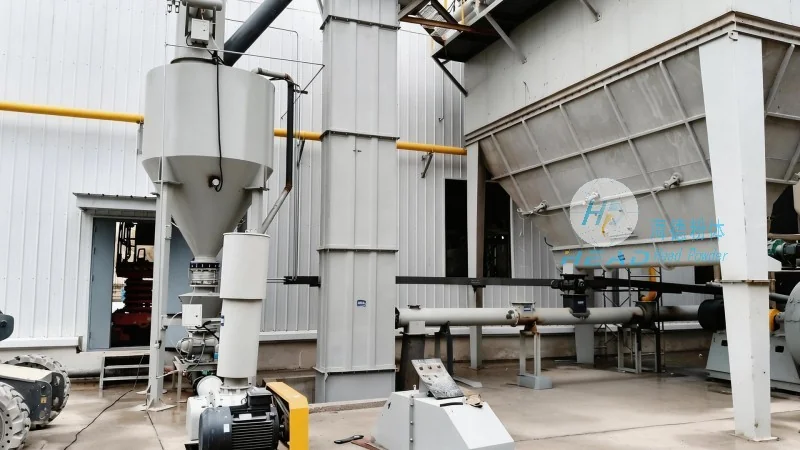
Working Principle of the Ferrous Oxide Powder Conveying System
The working principle of the ferrous oxide powder conveying system is based on the principles of fluidization and mechanical transport. In pneumatic conveying systems, the powder is suspended in a stream of air, which carries it through the system. The air pressure and velocity are carefully controlled to ensure the powder remains in suspension and is transported without clogging or degradation. In mechanical conveying systems, such as screw or belt conveyors, the powder is moved by the mechanical action of the conveyor, which pushes or pulls the material along the path. The control unit adjusts the speed of the conveyor to maintain the desired flow rate, and the feeder ensures a consistent supply of material. The dust collection system operates on the principle of filtration, using bags or cartridges to capture the fine particles and return clean air to the environment. This combination of mechanical and pneumatic principles allows the system to handle the unique properties of ferrous oxide powder, such as its fine particle size and potential for static charge, while maintaining high efficiency and safety standards.
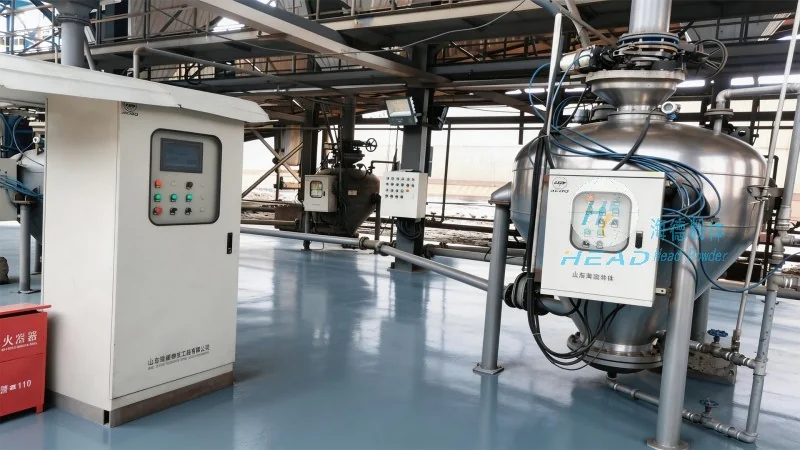
Benefits and Applications of the Ferrous Oxide Powder Conveying System
The ferrous oxide powder conveying system offers several benefits that make it an essential component in industrial settings. These benefits include improved operational efficiency, reduced labor costs, enhanced product quality, and increased safety. The system's ability to handle fine powders without clogging or degradation ensures that the material remains in its original state, which is critical for applications where purity and consistency are paramount. Additionally, the integrated dust collection system helps maintain a clean and safe working environment, reducing the risk of respiratory issues or other health hazards associated with fine powder handling. The system is widely used in various industries, including chemical manufacturing, where ferrous oxide is used as a pigment or catalyst, and in metallurgy, where it is used in the production of iron-based alloys. The system's adaptability allows it to be customized to meet the specific needs of different applications, making it a versatile solution for powder handling.
Conclusion and Company Information
In conclusion, the operation process and working principle of a ferrous oxide powder conveying system are critical to the efficient and safe handling of this material in industrial applications. The system's design, which integrates specialized components and control mechanisms, ensures that the material is transported consistently and without degradation. The benefits of using such a system, including improved efficiency, enhanced safety, and higher product quality, make it a valuable investment for any company dealing with ferrous oxide powder. Shandong HeadPowder Engineering Co., Ltd., a leading provider of powder handling solutions, specializes in designing and manufacturing customized conveying systems tailored to the unique needs of their clients. With a focus on quality, reliability, and innovation, the company ensures that their systems meet the highest standards of performance and safety. Located in Shandong, China, HeadPowder Engineering Co., Ltd. serves a wide range of industries, providing solutions that enhance operational efficiency and product quality. Their expertise in powder handling technology ensures that clients receive systems that are optimized for their specific applications, contributing to the overall success of their operations.




