

Principle and Working Scene Characteristics of Lithium Hydroxide Material Pneumatic Conveying Equipm
HeadPowder, a leading provider in the field of material handling solutions, specializes in the design, manufacturing, and installation of advanced pneumatic conveying systems. This article focuses on the principles and operational characteristics of equipment specifically engineered for the transportation of lithium hydroxide, a critical material in modern industrial applications.
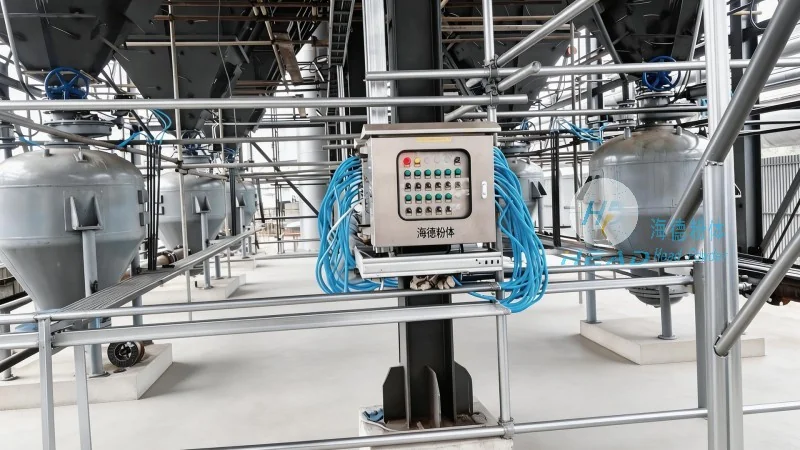
Introduction to Lithium Hydroxide Pneumatic Conveying Systems
Lithium hydroxide (LiOH) is widely used in various industries, including battery manufacturing, chemical processing, and pharmaceuticals. The efficient and safe handling of this material is paramount due to its reactivity and the need for precise control during transportation. Pneumatic conveying systems offer a reliable solution by utilizing air or gas to move bulk materials through a closed pipeline network. These systems are particularly advantageous for lithium hydroxide, as they minimize material contamination, reduce dust exposure, and ensure consistent flow rates, which are essential for maintaining product quality and operational safety.
Core Principles of Pneumatic Conveying Technology
The fundamental principle of pneumatic conveying involves the use of a pressure differential to move material through a pipeline. There are two primary types of pneumatic conveying systems: pressure and vacuum. Pressure systems operate by forcing air or gas into the pipeline under pressure, while vacuum systems create a negative pressure to draw material into the line. For lithium hydroxide, pressure systems are often preferred due to their ability to handle higher material loads and maintain consistent flow, which is crucial for maintaining the material's integrity and preventing clogging in the pipeline.
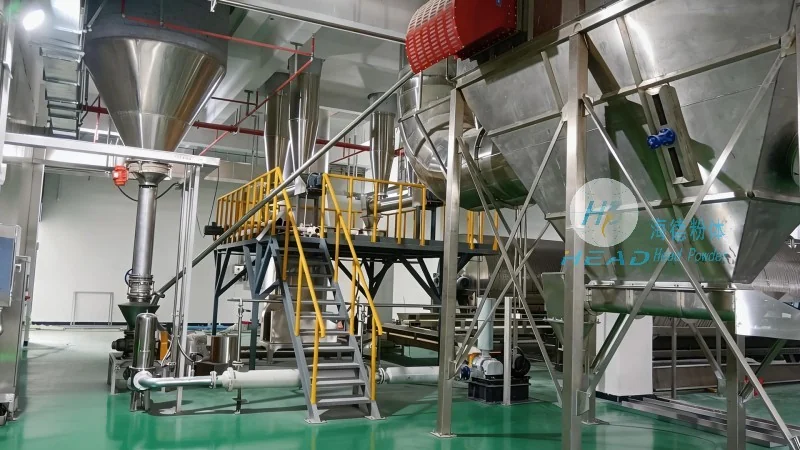
Key components of a pneumatic conveying system for lithium hydroxide include the hopper (for material storage and feeding), the conveying line (typically made of corrosion-resistant materials such as stainless steel to prevent reaction with the material), the air compressor or blower (to generate the necessary pressure), and the control valves (to regulate airflow and material flow). The hopper is designed with a smooth interior and a discharge valve to ensure uniform material release, while the conveying line is equipped with bends and elbows that are carefully engineered to minimize pressure loss and prevent material degradation. The air compressor is selected based on the required airflow and pressure, ensuring that it can handle the specific characteristics of lithium hydroxide, such as its density and flowability.
Working Scene Characteristics and Application Scenarios
The working scene characteristics of lithium hydroxide pneumatic conveying equipment are tailored to the specific needs of industrial environments. These systems are commonly used in battery manufacturing facilities, where lithium hydroxide is transported from storage to processing units or from production lines to packaging areas. The equipment is designed to operate in cleanroom environments, where contamination control is critical, and it can be integrated with other processing equipment to form a seamless material handling workflow.
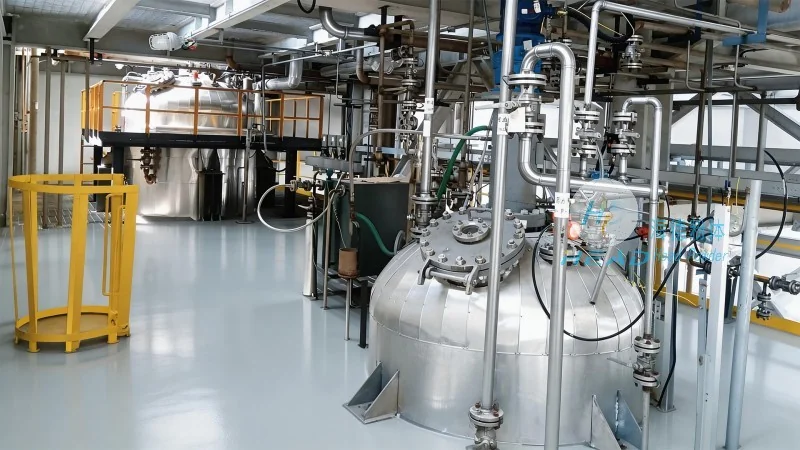
In chemical processing plants, the equipment is used to transport lithium hydroxide between reactors, storage tanks, and packaging lines. The systems are engineered to handle varying material flow rates, from low to high, and can be adjusted to accommodate changes in production demand. This flexibility makes them suitable for both continuous and batch processing operations. Additionally, the equipment is designed for easy maintenance and cleaning, which is essential for maintaining compliance with industry standards and ensuring long-term operational efficiency.
Advantages and Considerations in Operational Environments
One of the primary advantages of pneumatic conveying systems for lithium hydroxide is their ability to provide a closed system, which minimizes dust emissions and prevents environmental contamination. This is particularly important in regions with strict environmental regulations, such as those in China, where the company, Shandong HeadPowder Engineering Co., Ltd., is based. The equipment is also designed to handle the material's reactivity, ensuring that it does not come into contact with corrosive or incompatible substances that could degrade its quality or pose a safety risk.
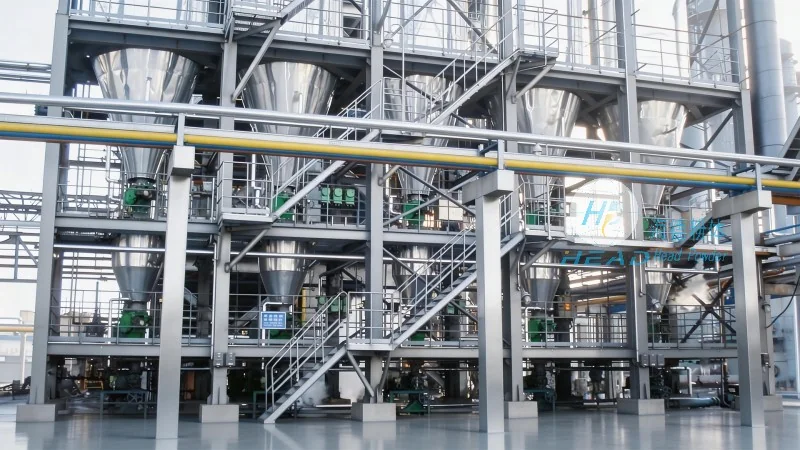
Operational considerations include the need for proper air filtration and moisture control, as lithium hydroxide can absorb moisture from the air, which may affect its performance and stability. The systems are equipped with filters to remove particulate matter from the air, and moisture sensors are often integrated to monitor and control humidity levels. Additionally, the equipment is designed with safety features such as pressure relief valves and emergency shut-off mechanisms to prevent accidents and ensure the safety of operators and the surrounding environment.
Conclusion and Company Overview
HeadPowder's pneumatic conveying equipment for lithium hydroxide is engineered to meet the highest standards of efficiency, safety, and reliability. By leveraging advanced technology and materials, the company provides solutions that are tailored to the specific needs of industrial applications. With a focus on quality and customer satisfaction, Shandong HeadPowder Engineering Co., Ltd. continues to be a leader in the material handling industry, offering innovative solutions that enhance operational performance and ensure the safe and efficient handling of critical materials like lithium hydroxide.