HeadPowder, a leading manufacturer based in Shandong, China, specializes in the design and production of advanced nitrogen circulation powder handling systems. These systems are engineered to efficiently transport and manage bulk powders in industrial settings, ensuring safety, reliability, and optimal performance. The following content provides a detailed overview of the operation process and working principle of such equipment, highlighting key components and operational mechanisms.
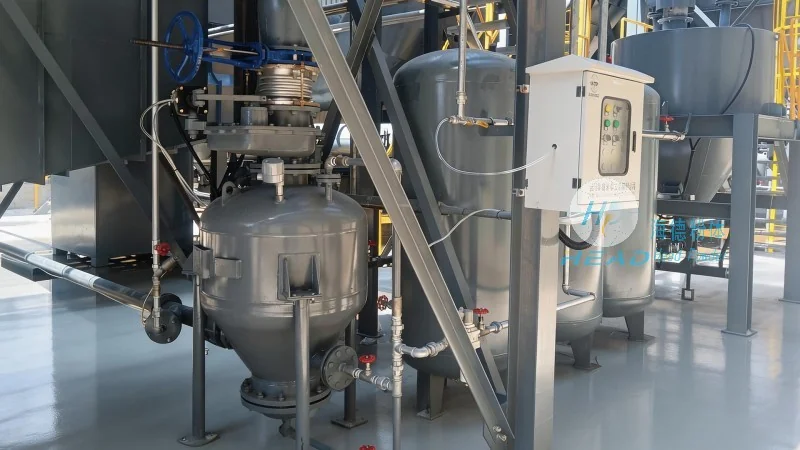
Key Components of the Nitrogen Circulation System
The nitrogen circulation powder handling equipment typically consists of several core components that work in tandem to achieve effective powder transport. These include a nitrogen gas source, a dust collector or filter system, a conveyor or pneumatic transport unit, and a control panel. The nitrogen gas source supplies the necessary inert gas to create a low-oxygen environment, preventing dust explosions and ensuring safe handling of combustible powders. The dust collector or filter system is crucial for capturing and removing airborne particles, maintaining air quality and protecting the equipment from contamination. The conveyor or pneumatic transport unit, often a pipeline system, uses the nitrogen gas to move the powder from the source to the destination. The control panel allows operators to monitor and adjust the system parameters, ensuring smooth and efficient operation.
Operation Process of the Nitrogen Circulation System
The operation process of the nitrogen circulation powder handling equipment begins with the preparation of the powder and the activation of the nitrogen gas supply. The powder is typically stored in a hopper or silo, from which it is fed into the transport pipeline. The nitrogen gas is then introduced into the pipeline, creating a flow that carries the powder particles. As the powder moves through the system, it passes through various sections such as bends, valves, and filters. The control panel continuously monitors the pressure, flow rate, and temperature to ensure that the powder is transported at the optimal conditions. At the destination, the powder is discharged into a receiving container or processing unit. The system then returns to its idle state, ready for the next cycle. The entire process is automated, reducing the need for manual intervention and minimizing the risk of human error.
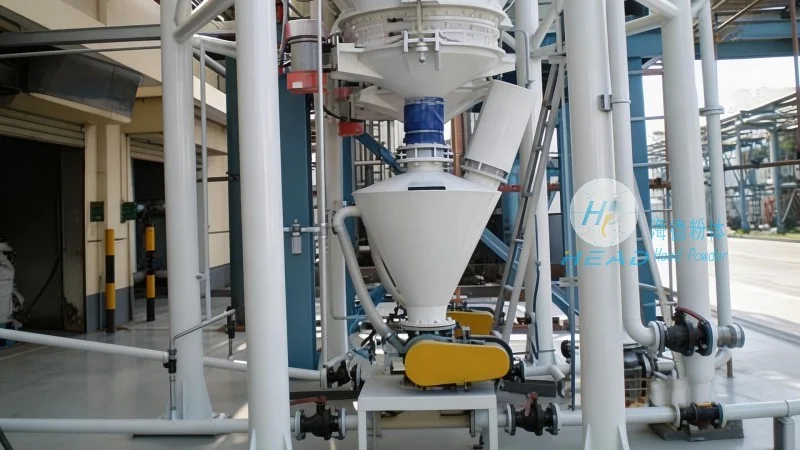
Working Principle of the Nitrogen Circulation System
The working principle of the nitrogen circulation powder handling equipment is based on the principle of pneumatic conveying, where the powder is suspended and transported by a gas stream. The nitrogen gas, being an inert gas, provides a safe environment for handling potentially explosive or hazardous powders. The system operates by creating a pressure differential between the inlet and outlet of the transport pipeline. The nitrogen gas is introduced at a higher pressure at the inlet, and as it moves through the pipeline, it carries the powder particles along with it. The velocity of the gas is maintained at a level that ensures the powder is fully suspended and transported without settling or clogging. The dust collector or filter system is integrated into the pipeline to capture any particles that may escape, preventing them from being released into the environment. The control panel adjusts the gas flow rate and pressure to maintain the desired conveying rate, ensuring that the powder is delivered to the destination efficiently and reliably.
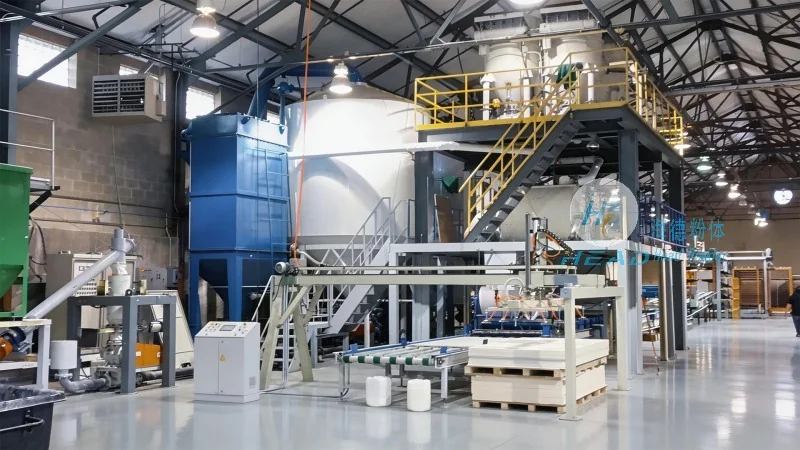
Advantages of Nitrogen Circulation Powder Handling Equipment
Using nitrogen circulation powder handling equipment offers several advantages over traditional methods. Firstly, it provides a safe and explosion-proof environment by eliminating the presence of oxygen in the transport system. This is particularly important for handling combustible powders, as it significantly reduces the risk of fire or explosion. Secondly, the system is highly efficient, with low energy consumption and minimal maintenance requirements. The pneumatic conveying method allows for the transport of powders over long distances and at high speeds, improving overall productivity. Thirdly, the equipment is versatile and can handle a wide range of powder types, including fine, dry, and abrasive powders. The adjustable parameters, such as gas flow rate and pressure, allow for customization to suit different powder characteristics and application requirements. Finally, the system is easy to operate and maintain, with automated controls and regular maintenance schedules that ensure long-term reliability.
Applications of Nitrogen Circulation Powder Handling Equipment
Nitrogen circulation powder handling equipment is widely used in various industries, including pharmaceuticals, food processing, chemical manufacturing, and mining. In the pharmaceutical industry, it is used to transport active pharmaceutical ingredients (APIs) and excipients, ensuring that the powders are handled in a sterile and controlled environment. In the food processing industry, it is used to transport food powders such as sugar, flour, and spices, maintaining the quality and safety of the products. In the chemical manufacturing industry, it is used to transport hazardous chemicals and powders, providing a safe and reliable method of handling. In the mining industry, it is used to transport ore powders from the mine to the processing plant, improving the efficiency of the extraction process. The versatility and safety features of the nitrogen circulation system make it an ideal choice for a wide range of industrial applications.




