

Operation Process and Working Principle of Intermittent Feeding Powder Material Handling Equipment
Intermittent feeding powder material handling equipment plays a crucial role in various industrial applications, particularly in sectors that require precise and controlled transport of bulk powders. This type of equipment is designed to handle materials like chemicals, pharmaceuticals, food products, and other granular or powdery substances with high efficiency and reliability. The operation of such systems involves a series of coordinated steps that ensure the safe and effective movement of materials from one location to another. Understanding the operation process and working principle is essential for optimizing performance and maintaining operational efficiency.
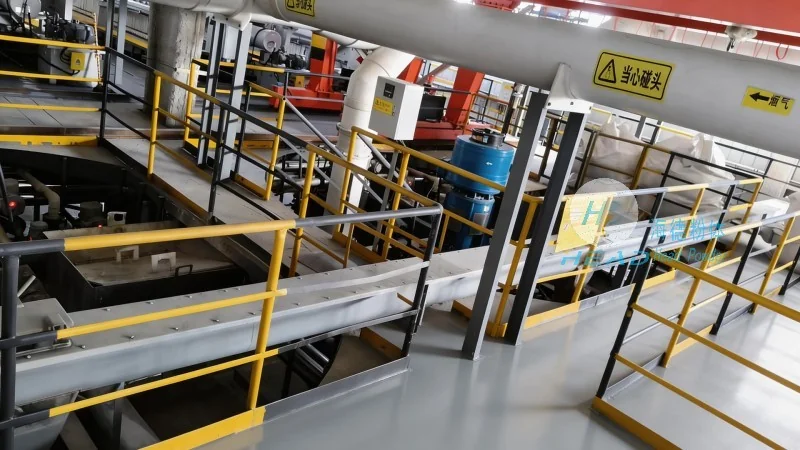
Company Overview: Shandong HeadPowder Engineering Co., Ltd.
As a leading manufacturer in the field of powder handling technology, Shandong HeadPowder Engineering Co., Ltd. specializes in developing and supplying advanced intermittent feeding systems. With a strong commitment to quality and innovation, the company has established itself as a trusted partner for industries seeking reliable solutions for their material handling needs. HeadPowder's products are engineered to meet stringent industry standards and are tailored to address the specific requirements of each client. The company's headquarters is located in Shandong, China, where it leverages its expertise and state-of-the-art facilities to deliver cutting-edge solutions.
Key Components and Structure of Intermittent Feeding Systems
The intermittent feeding powder material handling equipment typically consists of several key components that work in harmony to achieve the desired material transport. These components include a hopper or storage bin for holding the bulk material, a feeder mechanism (such as a screw feeder, vibratory feeder, or gate valve) that controls the flow rate, a conveyor system (like a belt or screw conveyor) that transports the material, and a discharge mechanism at the end of the system. The design of these components is critical to ensuring smooth operation and preventing issues such as material bridging, caking, or blockages. Each part is carefully engineered to handle the specific characteristics of the powder being transported, including particle size, density, and flowability.
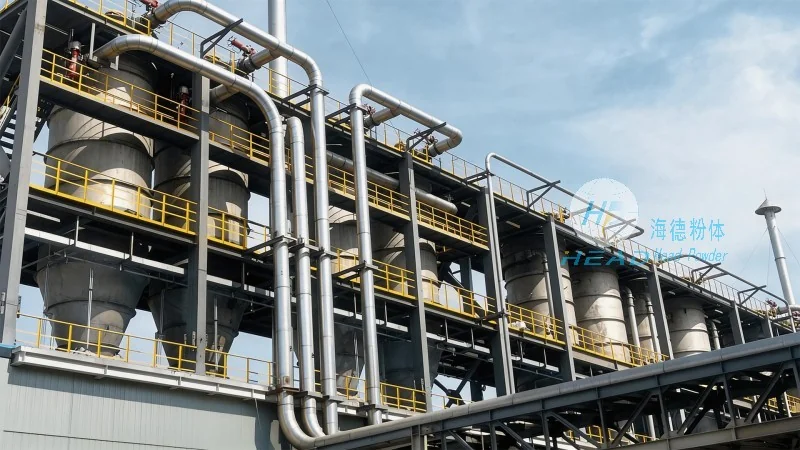
Operation Process: Step-by-Step Explanation
The operation process of an intermittent feeding system involves a series of sequential steps that are executed to move the powder from the storage bin to the discharge point. The first step is the loading of the material into the hopper. Once the hopper is filled, the feeder mechanism is activated to control the flow of material. The feeder may operate in an intermittent manner, releasing small amounts of material at regular intervals, or continuously, depending on the system design and the required flow rate. The controlled discharge from the feeder then enters the conveyor system, which transports the material to the discharge point. The conveyor may be a screw conveyor, which uses rotating screws to move the material, or a belt conveyor, which uses a moving belt to transport the material. The speed of the conveyor is adjusted to match the flow rate from the feeder, ensuring a consistent and steady flow of material. At the discharge end, the material is released into a container or processing unit, completing the transport cycle.
Working Principle: How Intermittent Feeding Systems Function
The working principle of intermittent feeding powder material handling equipment is based on the controlled release of material from a storage bin through a feeder mechanism, followed by the transport of the material via a conveyor system. The key to the operation is the intermittent or controlled flow of material from the feeder, which prevents overloading the conveyor and ensures that the material is moved in manageable quantities. This controlled flow is achieved through various mechanisms, such as screw feeders that rotate at a specific speed to push material forward, vibratory feeders that use vibrations to move material, or gate valves that open and close to regulate the flow. The conveyor system then takes over, using mechanical energy to move the material from the feeder to the discharge point. The entire system is typically controlled by a programmable logic controller (PLC) or a similar control system, which monitors the flow rate, pressure, and other parameters to ensure optimal operation. The PLC adjusts the speed of the feeder and conveyor as needed to maintain the desired flow rate and prevent any blockages or inefficiencies.
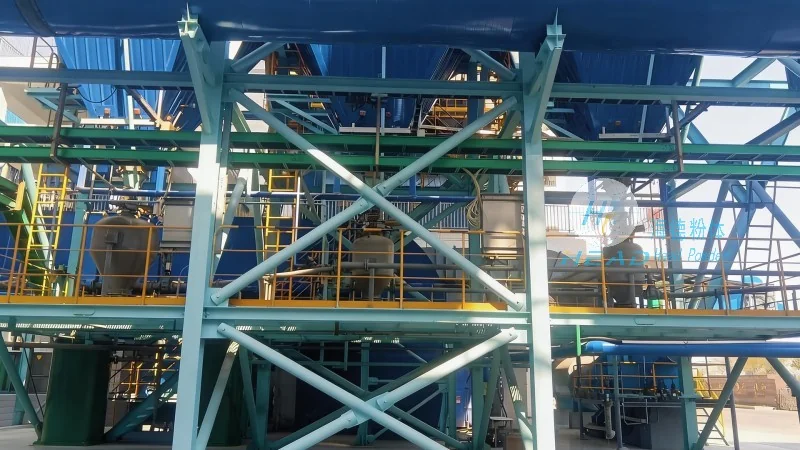
Advantages and Applications of Intermittent Feeding Systems
Intermittent feeding powder material handling equipment offers several advantages that make it suitable for a wide range of industrial applications. One of the primary advantages is the ability to control the flow rate of the material, which is crucial for processes that require precise dosing or batching. This control helps to prevent overloading the downstream equipment and ensures that the material is processed at the correct rate. Another advantage is the reduced risk of material degradation or contamination, as the system is designed to minimize exposure to air and moisture. The intermittent feeding mechanism also helps to prevent material bridging and caking, which can occur in continuous feeding systems. These systems are widely used in industries such as pharmaceuticals, food processing, chemical manufacturing, and mining, where the handling of bulk powders is essential. For example, in pharmaceutical manufacturing, intermittent feeding systems are used to transport raw materials to mixing and processing units, ensuring that the correct quantities are used in each batch. In food processing, these systems are used to transport ingredients like flour, sugar, and spices to mixing and packaging lines, maintaining the quality and consistency of the final product.
Maintenance and Operational Considerations
To ensure the reliable and efficient operation of intermittent feeding powder material handling equipment, regular maintenance and proper operational considerations are essential. Regular inspection of the hopper and feeder mechanism is necessary to check for any signs of wear or damage, such as worn screws or clogged valves. The conveyor system should also be inspected for any blockages or damage to the belt or screws. Lubrication of moving parts is important to prevent friction and wear, which can reduce the lifespan of the equipment. Additionally, the control system should be checked regularly to ensure that it is functioning correctly and that the parameters are set appropriately. Operational considerations include monitoring the flow rate and pressure of the system to ensure that it is operating within the recommended range. Any deviations from the normal operating parameters should be addressed immediately to prevent damage to the equipment or the material being transported. Proper training of operators is also crucial to ensure that they understand the operation and maintenance of the system and can respond to any issues that may arise.