

Operation Process and Working Principle of Wood Chip Powder Conveying Equipment
Wood chip powder conveying equipment is a specialized system designed to transport wood chips in powder form efficiently and reliably. This equipment is crucial in various industrial applications, particularly in the wood processing and biomass energy sectors, where the handling of wood chips as a fine powder is essential for downstream processes such as pelletizing, fuel preparation, or material processing. The operation of this equipment involves a series of integrated components that work in harmony to ensure smooth material flow and optimal performance.
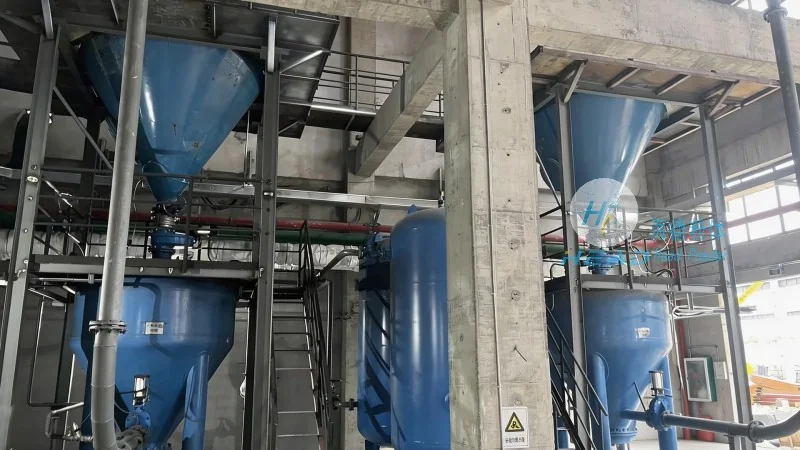
HeadPowder, a leading manufacturer based in Shandong, China, specializes in the design, development, and production of advanced conveying solutions tailored to the wood chip industry. With a strong commitment to quality and innovation, the company has established itself as a trusted partner for businesses seeking reliable and efficient wood chip powder handling systems. The company's headquarters and manufacturing facilities are located in Shandong, providing close proximity to key markets and enabling timely support and service for clients.
Operation Process of Wood Chip Powder Conveying Equipment
The operation of wood chip powder conveying equipment typically begins with the feeding of wood chips into a primary processing unit. The wood chips are then subjected to mechanical or pneumatic processing to break them down into fine powder particles. This step is critical as it ensures the uniform size and consistency of the wood chips, which is essential for subsequent conveying and processing steps. After the powderization process, the wood chips are transferred to a storage or feeding hopper, where they are prepared for the conveying phase.
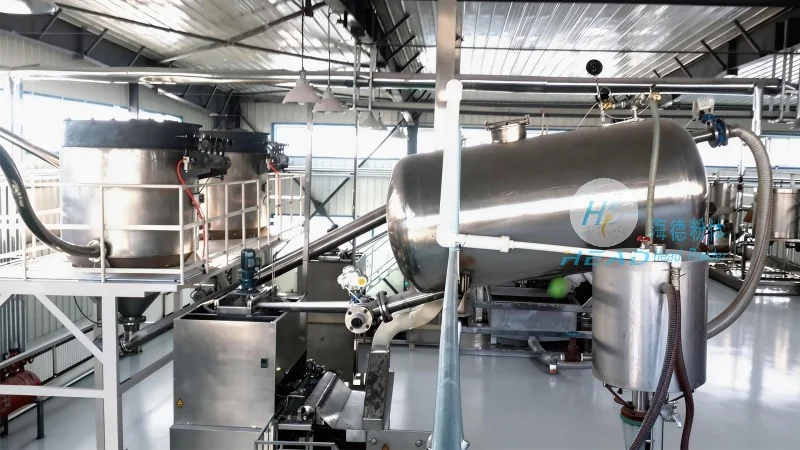
The conveying process itself involves the use of either pneumatic or mechanical systems, depending on the specific requirements of the application. In pneumatic conveying systems, the wood chip powder is transported through a network of pipes using compressed air or other gases. The air flow creates a pressure differential that propels the powder particles through the system, ensuring efficient and continuous movement. Mechanical conveying systems, on the other hand, utilize screw conveyors, belt conveyors, or other mechanical components to move the powder. These systems are often preferred for applications requiring high material handling capacity or where the powder is sensitive to air exposure.
During the conveying process, the equipment incorporates various control mechanisms to maintain consistent flow rates and pressure levels. Sensors and control valves are used to monitor the pressure and flow of the powder, ensuring that the system operates within optimal parameters. This helps to prevent blockages, overloading, or other issues that could disrupt the conveying process. The system also includes safety features such as pressure relief valves and emergency stop buttons to ensure the safety of operators and the integrity of the equipment.
Working Principle of Wood Chip Powder Conveying Equipment
The working principle of wood chip powder conveying equipment is based on the principles of fluidization and pneumatic transport. The equipment operates by creating a flow of air or gas through the conveying system, which lifts and transports the wood chip powder particles. The key components of the system include a feeder, a conveying pipe, a control valve, and a discharge unit. The feeder is responsible for feeding the wood chip powder into the conveying pipe at a controlled rate. The conveying pipe is designed to maintain the flow of the powder and air, ensuring that the particles are suspended and transported efficiently.
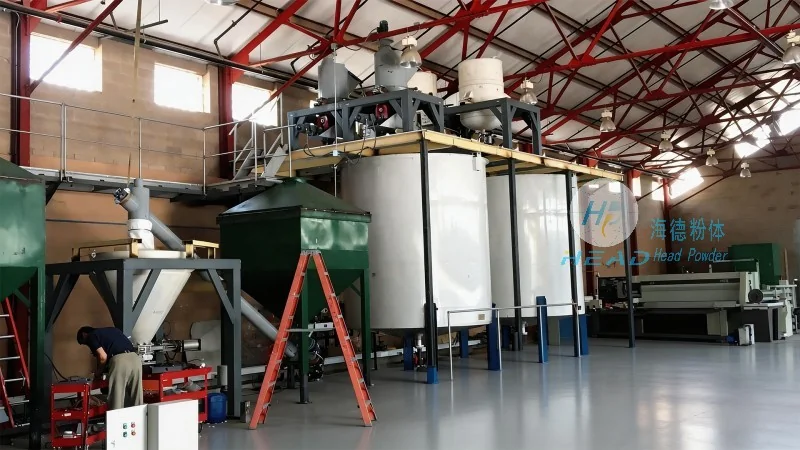
In pneumatic conveying systems, the air flow is generated by a blower or compressor, which provides the necessary pressure to move the powder. The air and powder mixture travels through the pipe, and the velocity of the air is maintained at a level that prevents the powder from settling or clogging the system. The control valve is used to regulate the flow of air and powder, ensuring that the system operates at the desired pressure and flow rate. The discharge unit is responsible for releasing the powder from the conveying system, typically into a storage bin or processing unit.
Mechanical conveying systems, such as screw conveyors, operate by rotating a screw within a tube. The rotation of the screw pushes the wood chip powder forward, similar to how a screw moves through a substance. The speed of the screw and the pitch of the threads are adjusted to control the flow rate of the powder. These systems are often more suitable for applications where the powder is not sensitive to air exposure or where the material handling capacity is high. The mechanical design of these systems also allows for easier maintenance and cleaning compared to pneumatic systems.